Sunlight delivers distinct types of energy in the electromagnetic spectrum: visible light (which allows us to see colours and our surroundings) and invisible radiation (such as infrared and ultraviolet rays). UV is responsible for causing sunburn and stimulating our bodies to produce Vitamin D and we perceive infrared radiation as heat. IR warms the Earth’s surface, regulates our climate, and maintains our planet’s temperature.
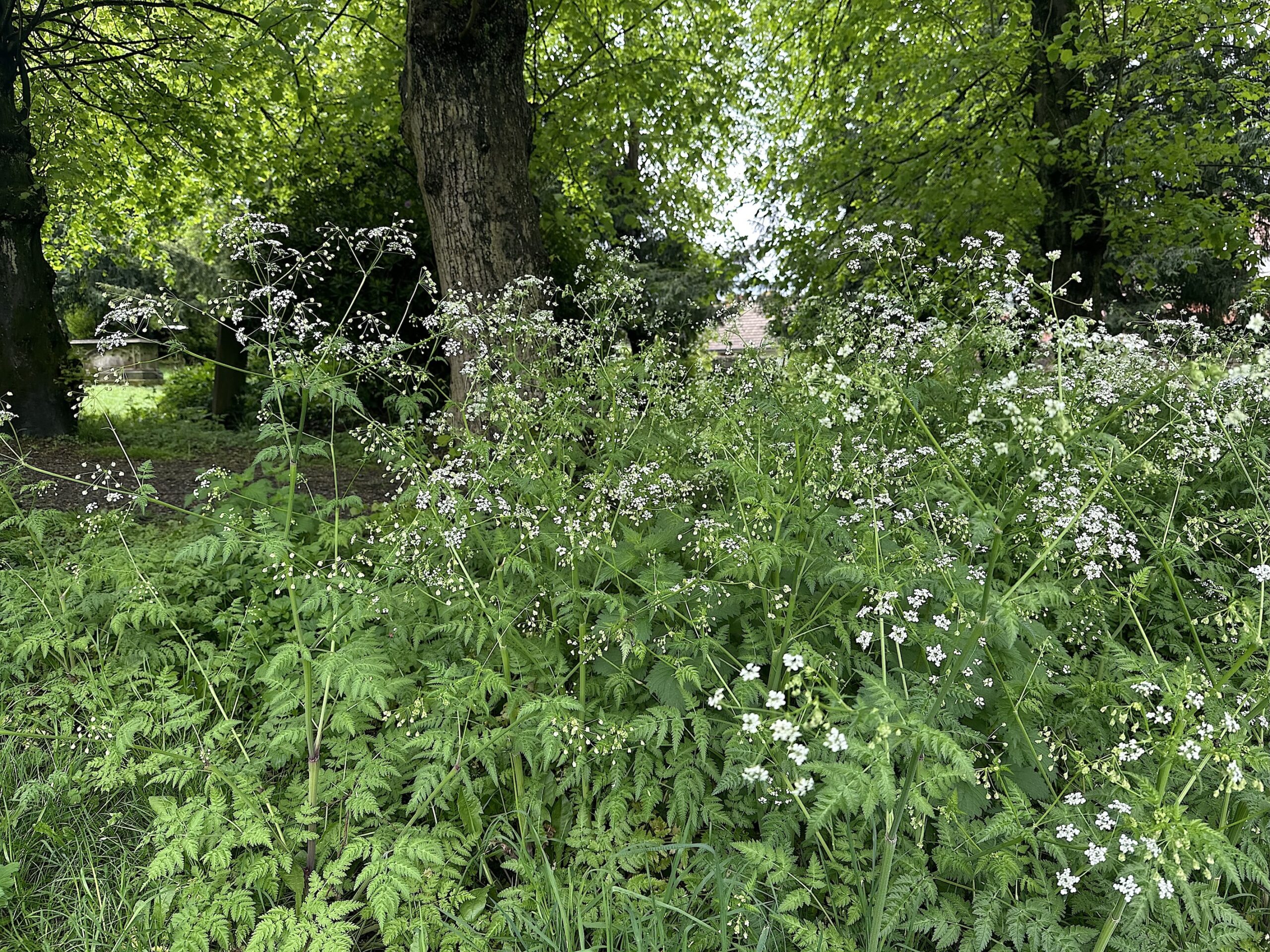
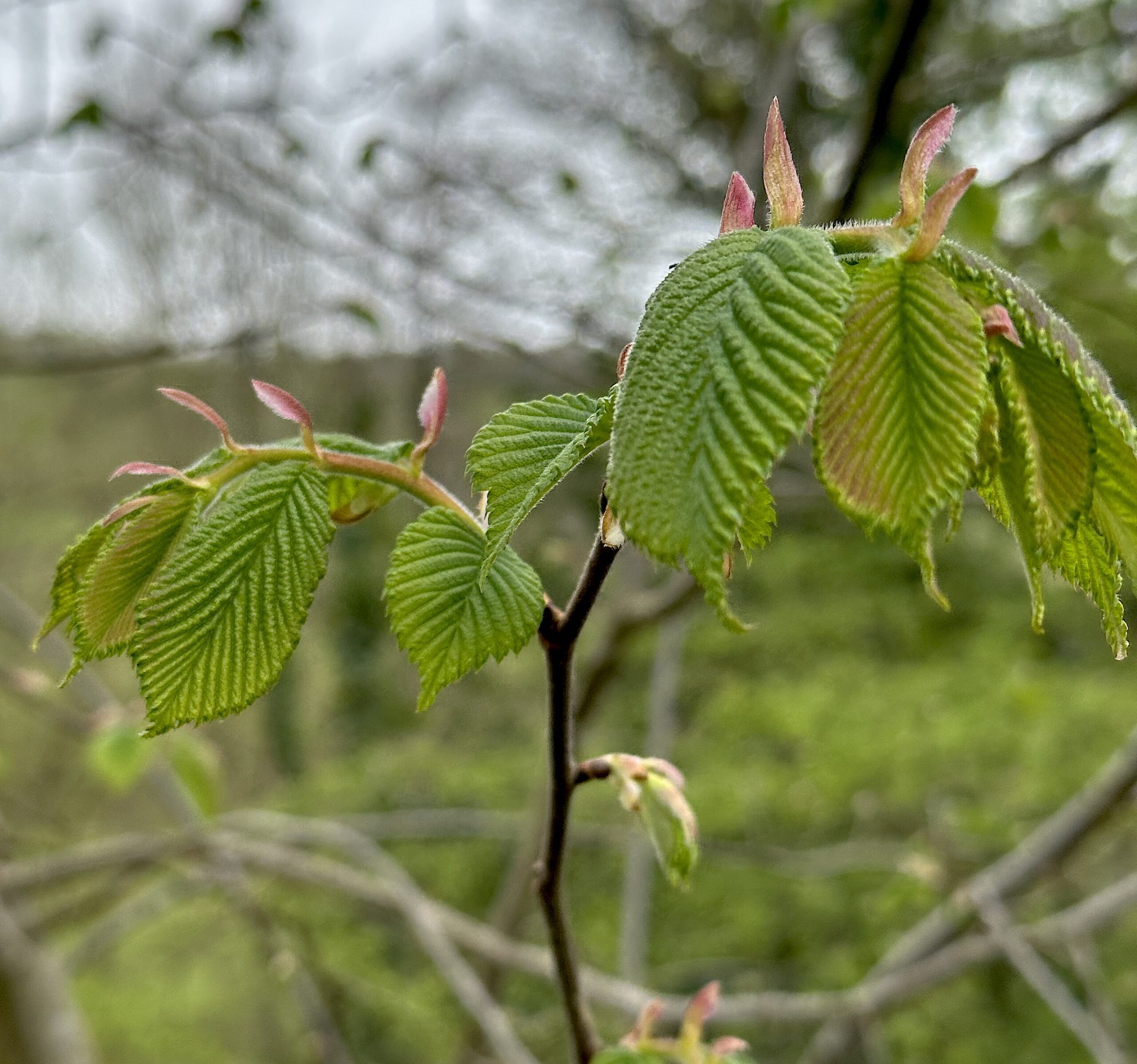
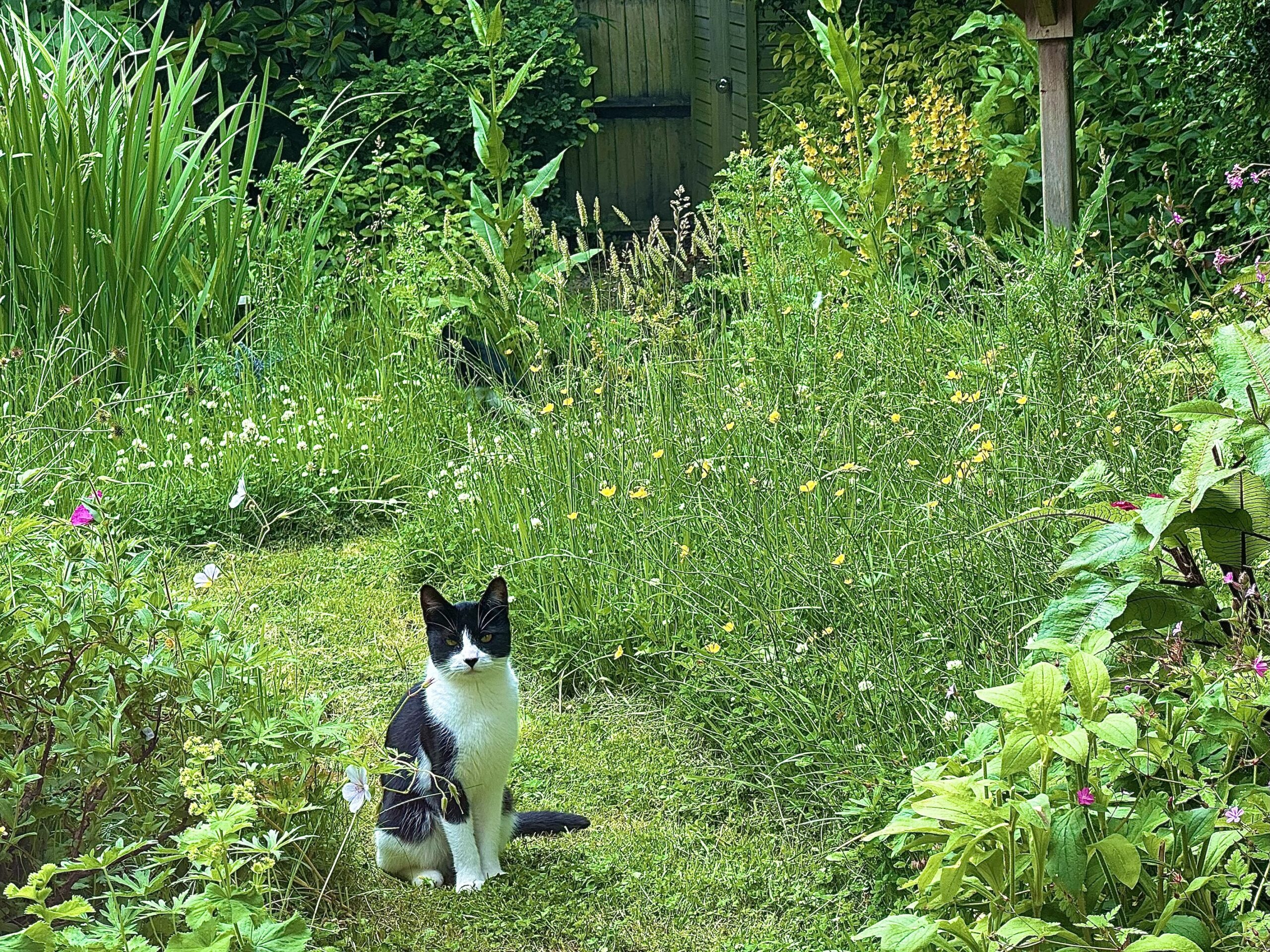
Green spaces naturally emit high levels of near-infrared (NIR) light because chlorophyll, (plants green pigment) reflects it. Spending time outdoors in these areas exposes you more infrared light, which can help stimulate mitochondrial function, cellular energy production, and overall well-being.
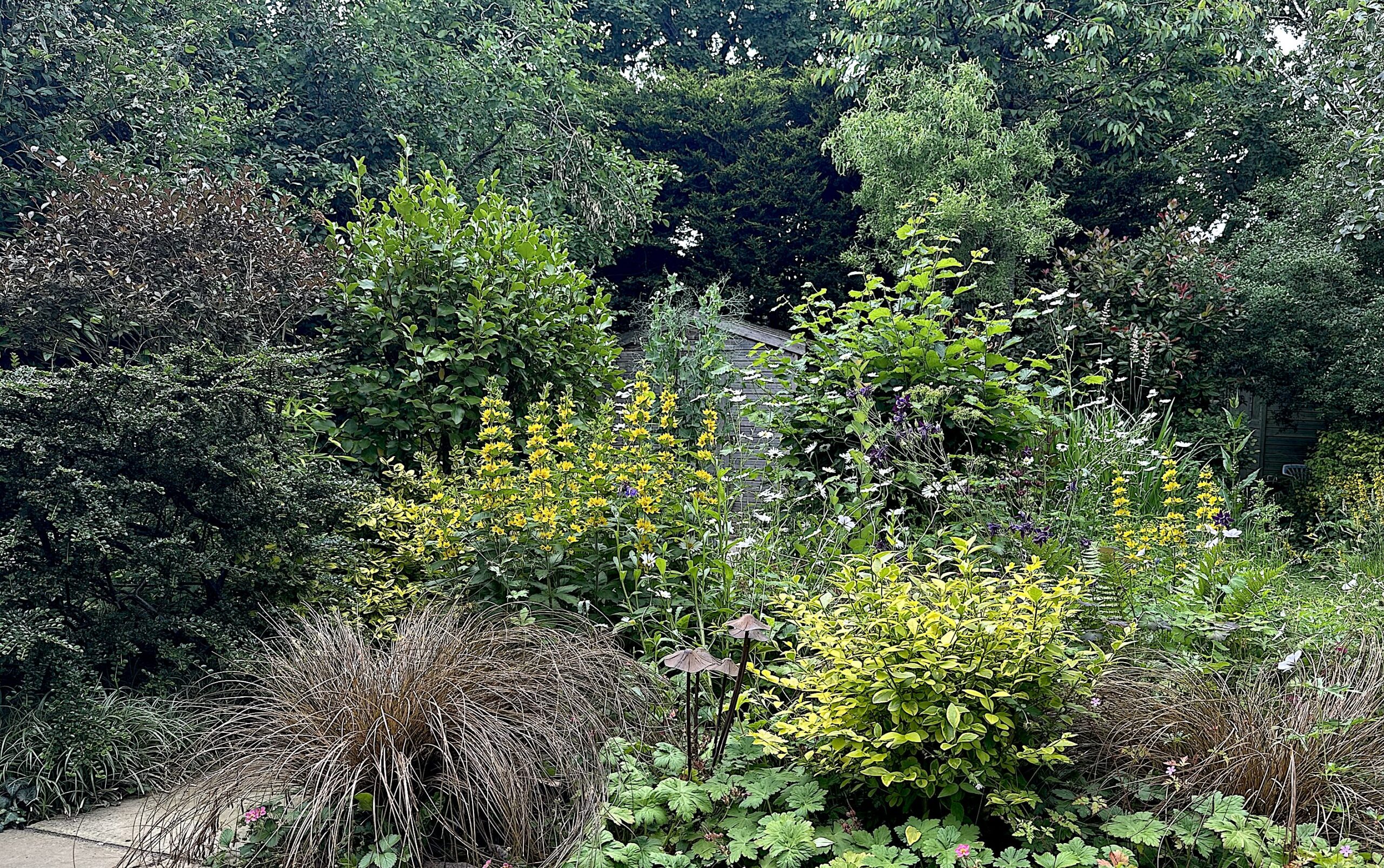
Plants absorb most of the visible light spectrum (like blue and red) to fuel photosynthesis. However, they strongly reflect NIR light, acting as a natural amplifier of this invisible wavelength. Because leaves reflect NIR rather than absorbing it as heat, you remain cooler when sitting under a tree. Researchers suggest that modern indoor lifestyles—where we lack this natural, green-reflected infrared—can lead to poor health outcomes.
Studies in physical health and psychology confirm that time spent in green spaces reduces cortisol levels, blood pressure, and the risk of chronic diseases. It also boosts positive emotions and overall well-being. In colour psychology, colours made up of long wavelengths are considered arousing or warm, whereas colours such as green that have shorter wavelengths, are relaxing or cool. The colour green can positively affect thinking, relationships, and physical health. Green is also thought to relieve stress and help healing.
Trees help people and nature thrive. The Woodland Trust says getting more trees in the ground will give us all a greener, healthier future, consequently they are giving away thousands to schools, councils, clubs and community groups to help make that happen.
https://www.woodlandtrust.org.uk/