Fashion Revolution was founded in 2013 in the wake of the Rana Plaza factory collapse in Bangladesh. It was established to advocate for greater transparency, ethics, and sustainability in the fashion industry. The movement is known for its annual campaign, Fashion Revolution Week. This year it took place from April 22nd-28th. Belper’s first Fashion Revolution event took place in 2019, in St Peter’s Church on Friday April 26th. More information can be found on this blog post https://www.anneclarkhandmade.co.uk/fashion-revolution-week/

Clothes manufacturing is a major environmental polluter, responsible for roughly 8–10% of global carbon emissions, which exceeds the combined impact of international flights and maritime shipping
Recently I attended an interesting talk by Dr. Amy Twigger Holroyd, a Professor of Alternative Fashion Systems at Nottingham School of Art and Design. The title of the talk was “Historical Perspectives on Sustainable Fashion: Inspiration for Change” The lecture explored the history of sustainable fashion, providing examples of success stories and cautionary tales, covering materials, reuse, and manufacturing to inspire modern eco-conscious design.
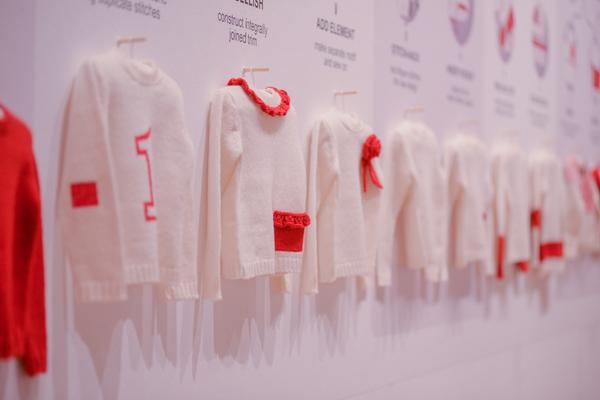
One of the projects Amy has been involved with is the Reknit-Revolution , this involved reworking of existing knitted items using knit-based skills. This work was initially created as part of her PhD research, and has been further developed since. It was showcased at her first major solo exhibition, Units of Possibility: The Reknit Revolution, at Rugby Art Gallery & Museum in summer 2017. I found this most interesting as I enjoy knitting and also really love altering clothes both those I have bought secondhand or things I have had in my wardrobe for many years.
One interesting and unsettling thing Amy said was that although there has been a rise of people buying secondhand clothing, overall clothing consumption remains high, representing a “complementary” rather than “substitutional” shift in consumer behaviour. The global secondhand market is expanding three times faster than the firsthand market however it has not displaced the production and consumption of new garments. This phenomenon, sometimes called “circular economy rebound,” means that consumers often buy used clothing in addition to, rather than instead of, new items. More information about her research can be found here, https://amytwiggerholroyd.com
Below are some examples of clothes I have altered.
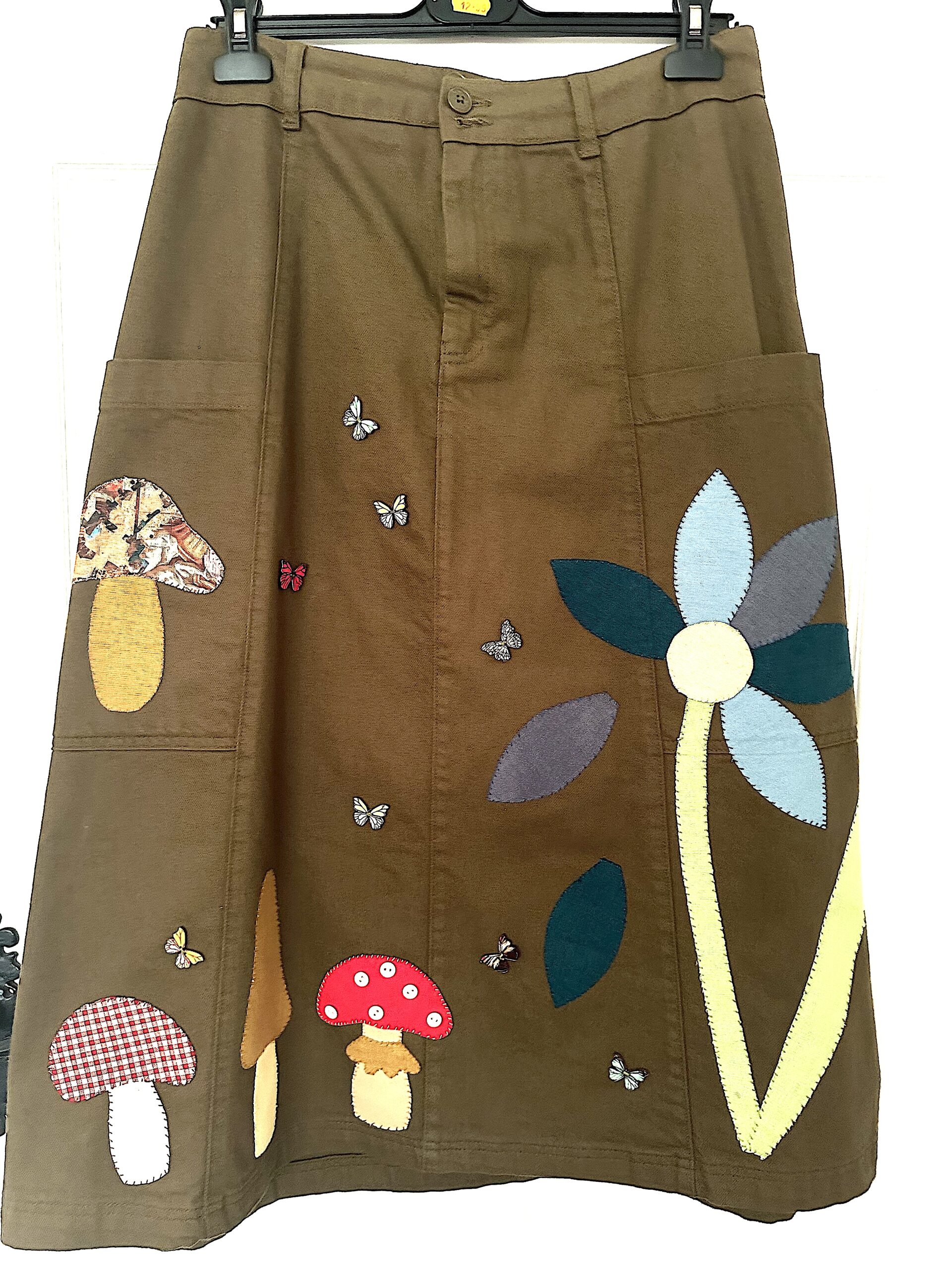
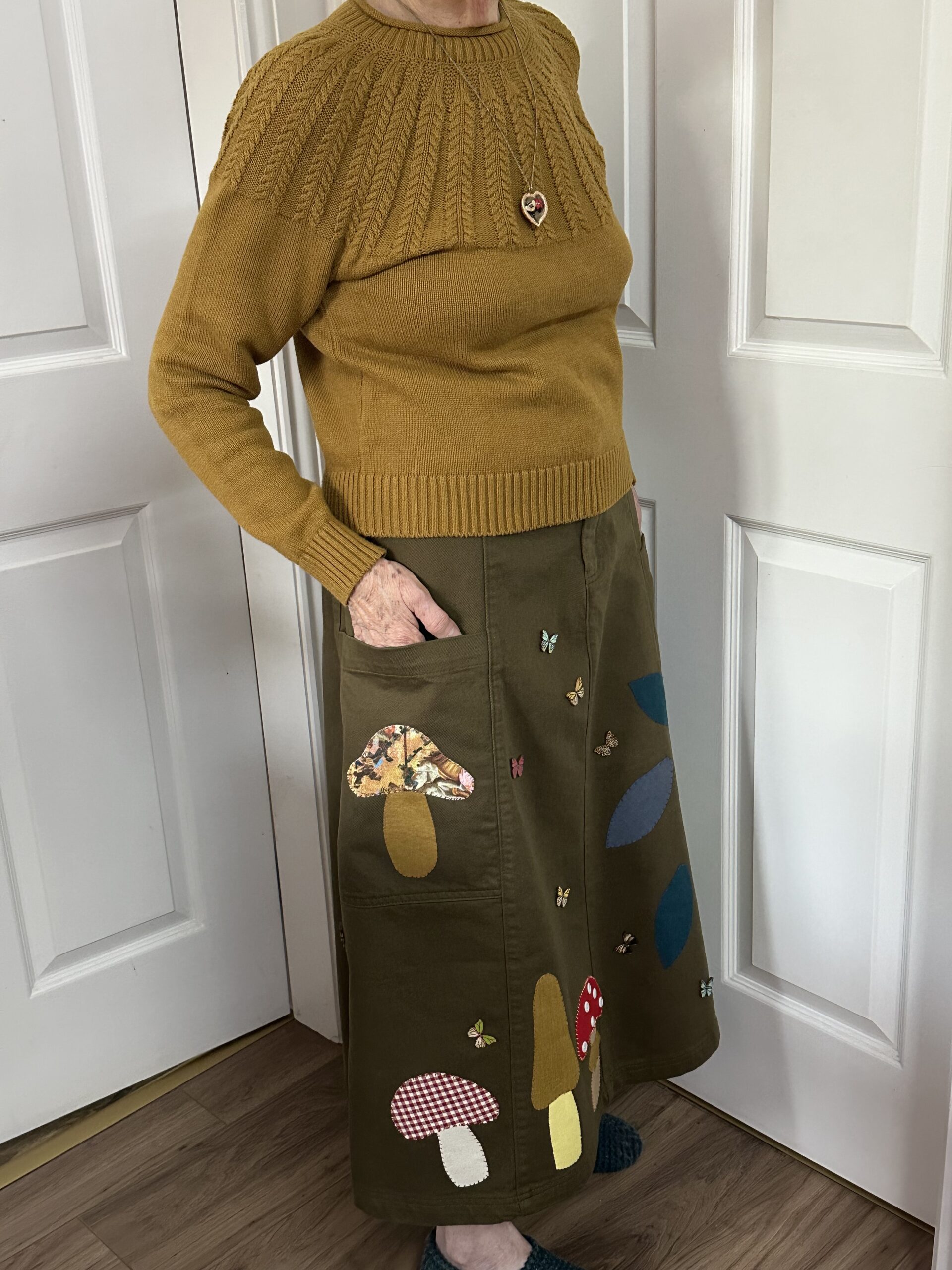
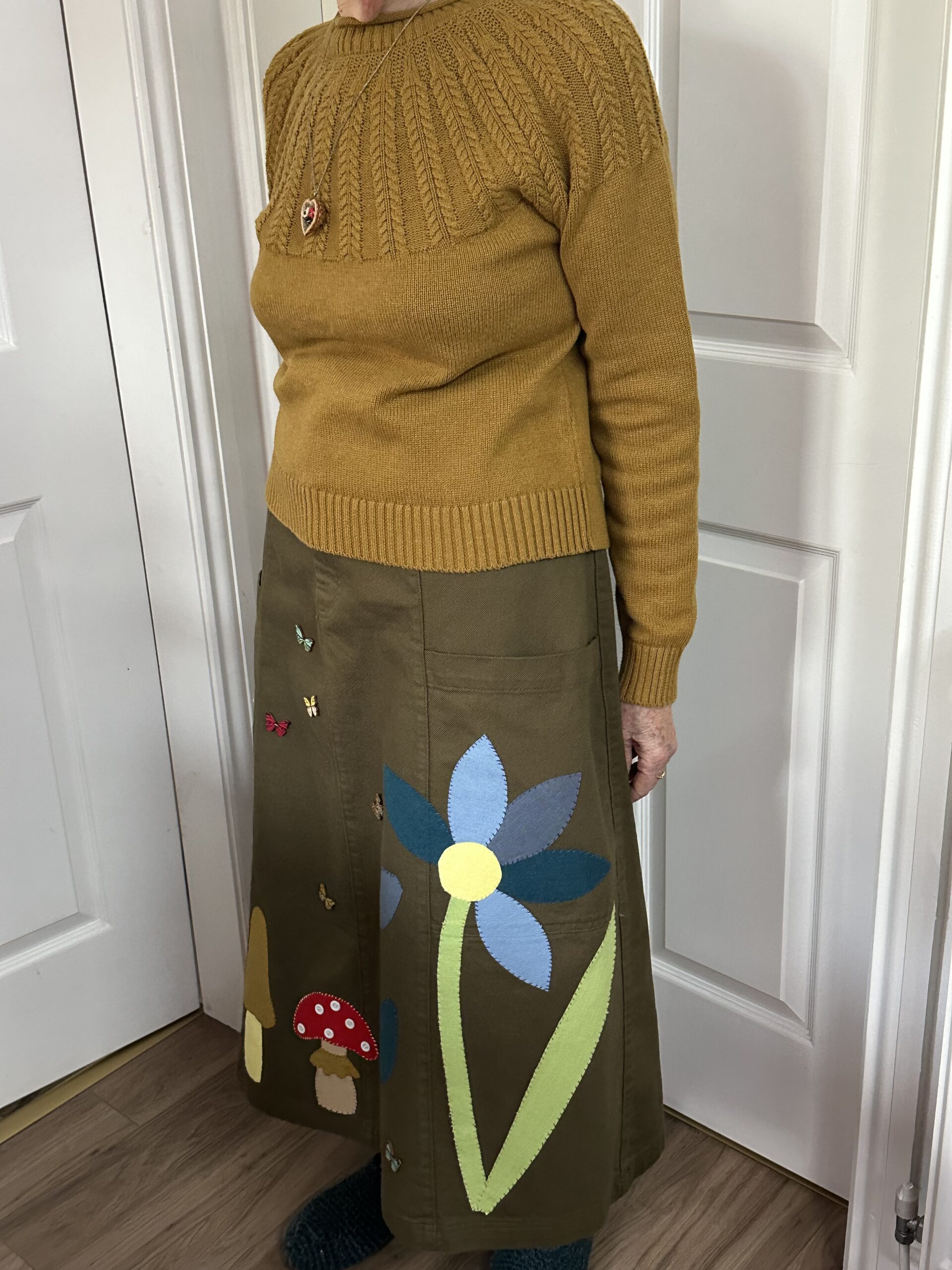
The skirt was a skirt I had for a number of years and so I wanted to make it more interesting.
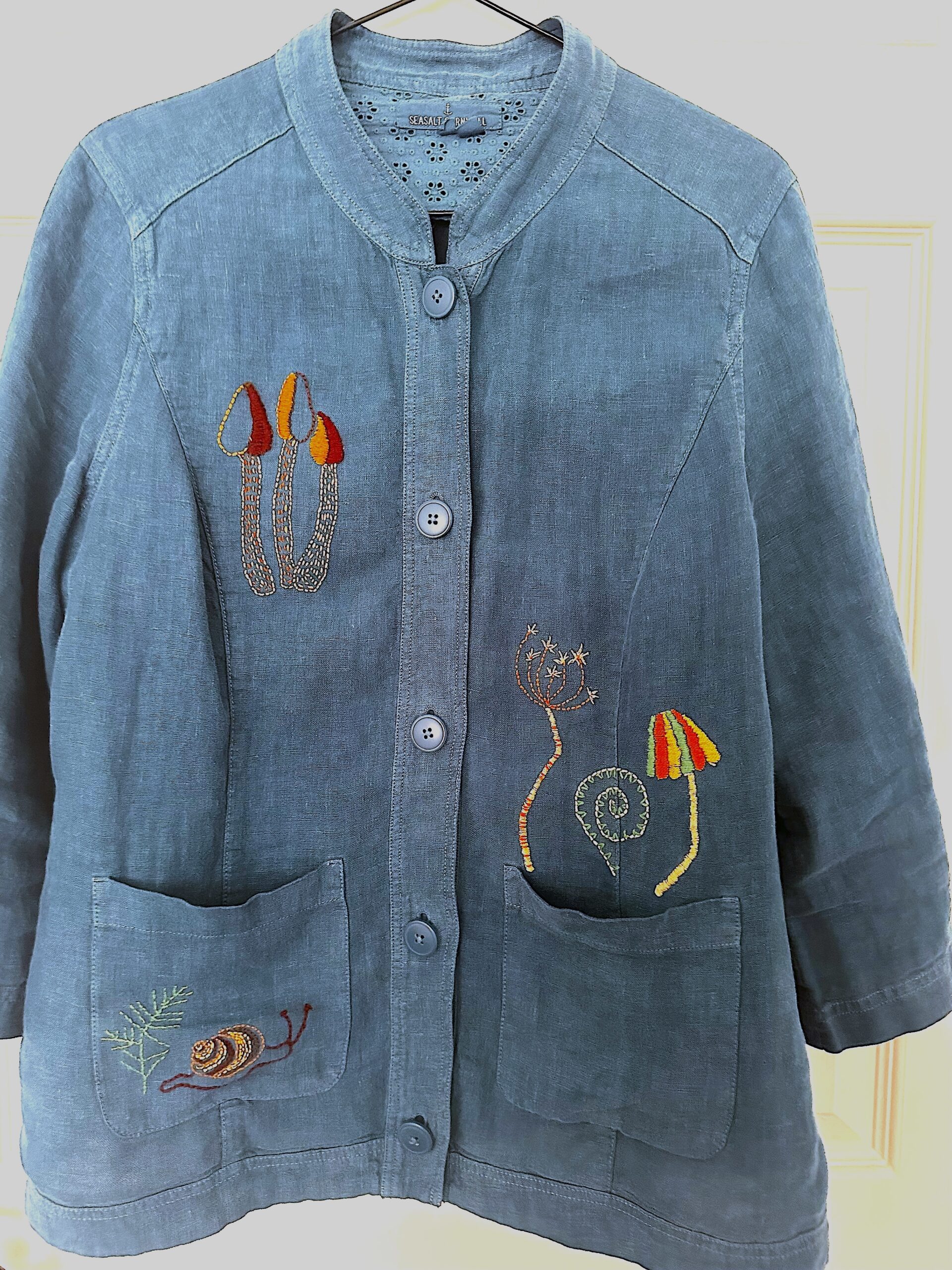
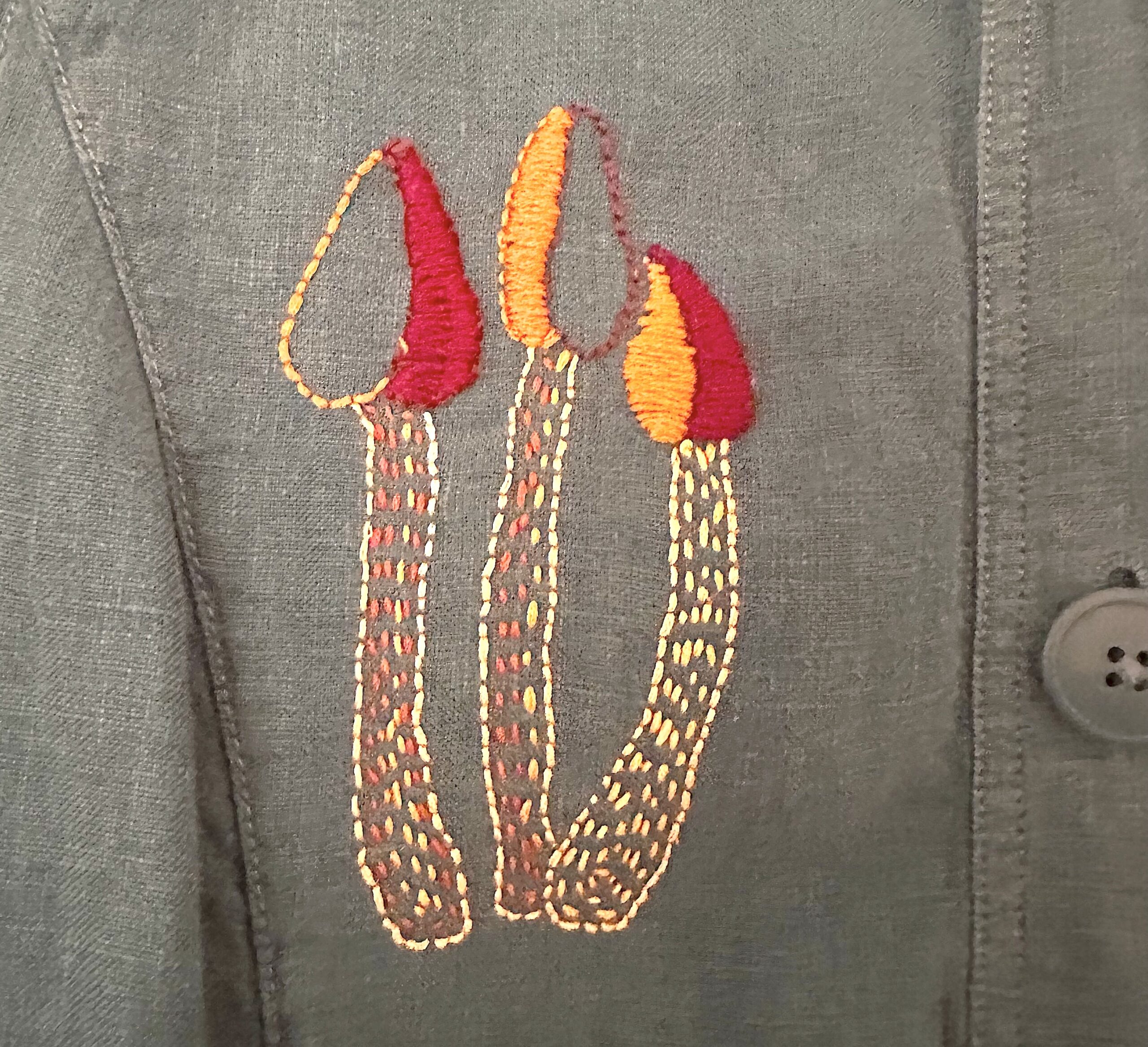
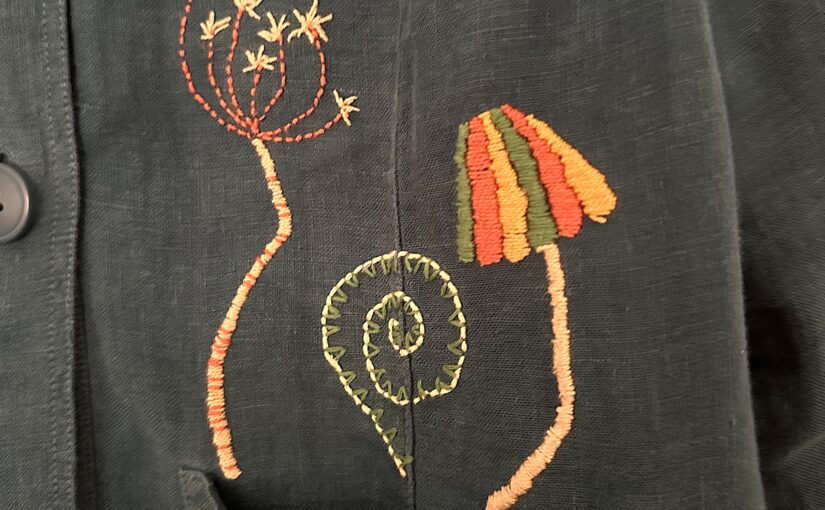
This was a pre-worn jacket I bought from Ebay and then embroidered.