Crochet, Trains and the Ripple Effect Dress

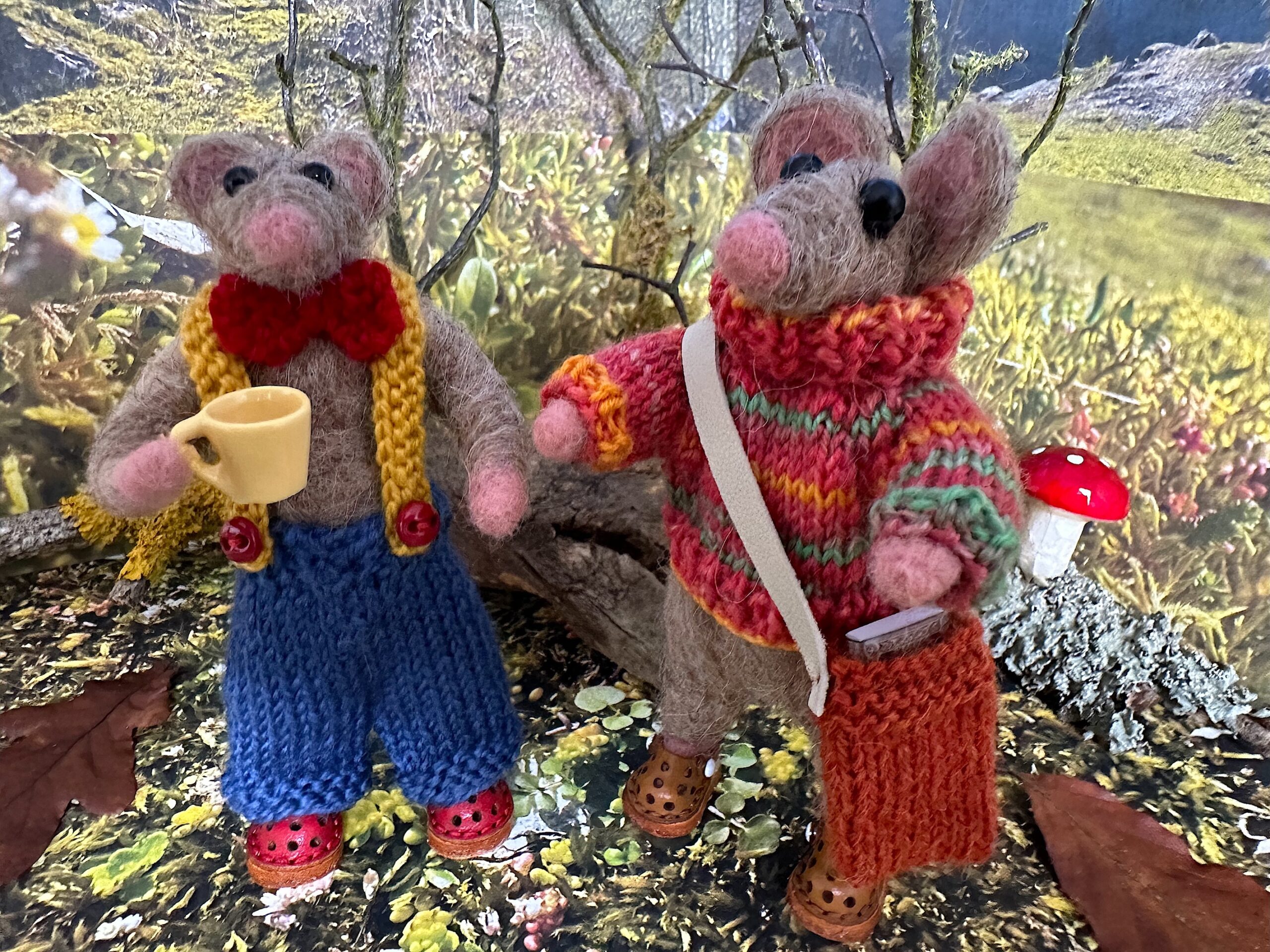
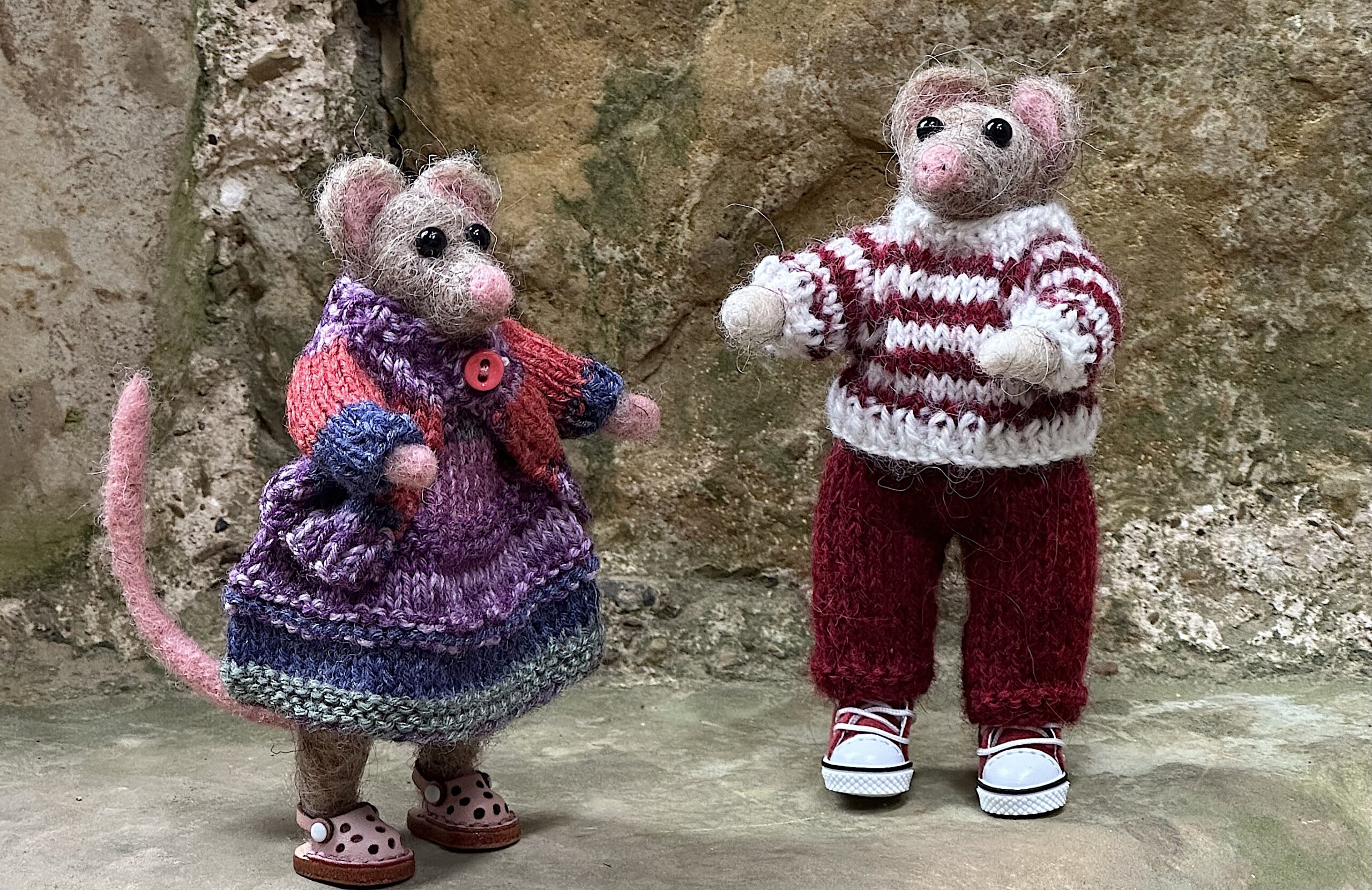
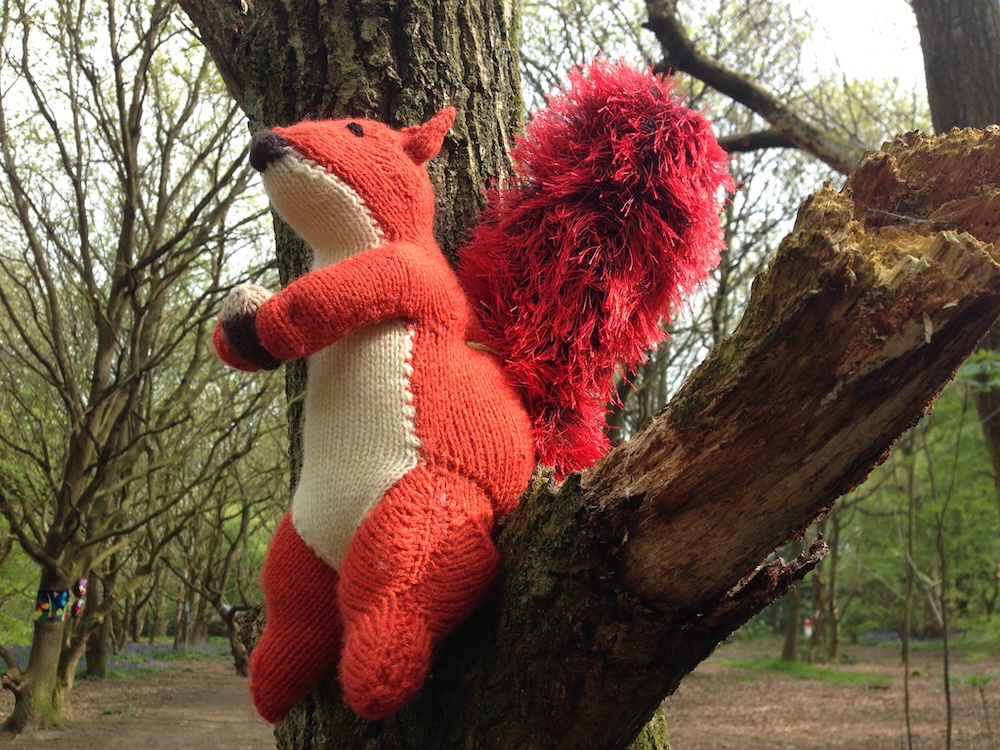
This may sound like a very strange mix so I will try to explain. I learnt to knit when I was young and as a teenager made my own jumpers. I find knitting relaxing, creative and social. I usually carry a small project in my bag so that if I find myself having to wait for an appointment or a meal, I can occupy myself with my needles and yarn. I enjoy knitting on long car, bus and train journeys and even while listening to music in the pub. It can be a way of starting conversations when someone asks what I am making as they are intrigued if I answer, a jumper for a mouse.
Since 2012 I have been using my knitting and creativity as a way of making pieces to be displayed in public.Yarn bombing is a type of graffiti or street art that employs colourful displays of knitted or crocheted yarn rather than paint or chalk. It is also called wool bombing, yarn storming, guerrilla knitting, kniffiti, urban knitting, or graffiti knitting.There are several posts on this blog about this.
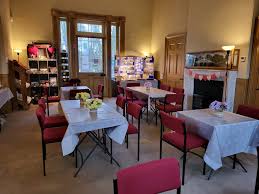
To get back to the title of this post, I have recently decided to return to crocheting and try to get better at it. It takes up less room in my handbag and I can achieve different effects and patterns with this craft. One recent Sunday afternoon I was sitting in the cafe of the restored Wingfield Station enjoying a cup of coffee and listening to some talented local musicians while practicing making granny squares. The station is on the mainline running from Derby to Chesterfield and is a good place for some train spotting.
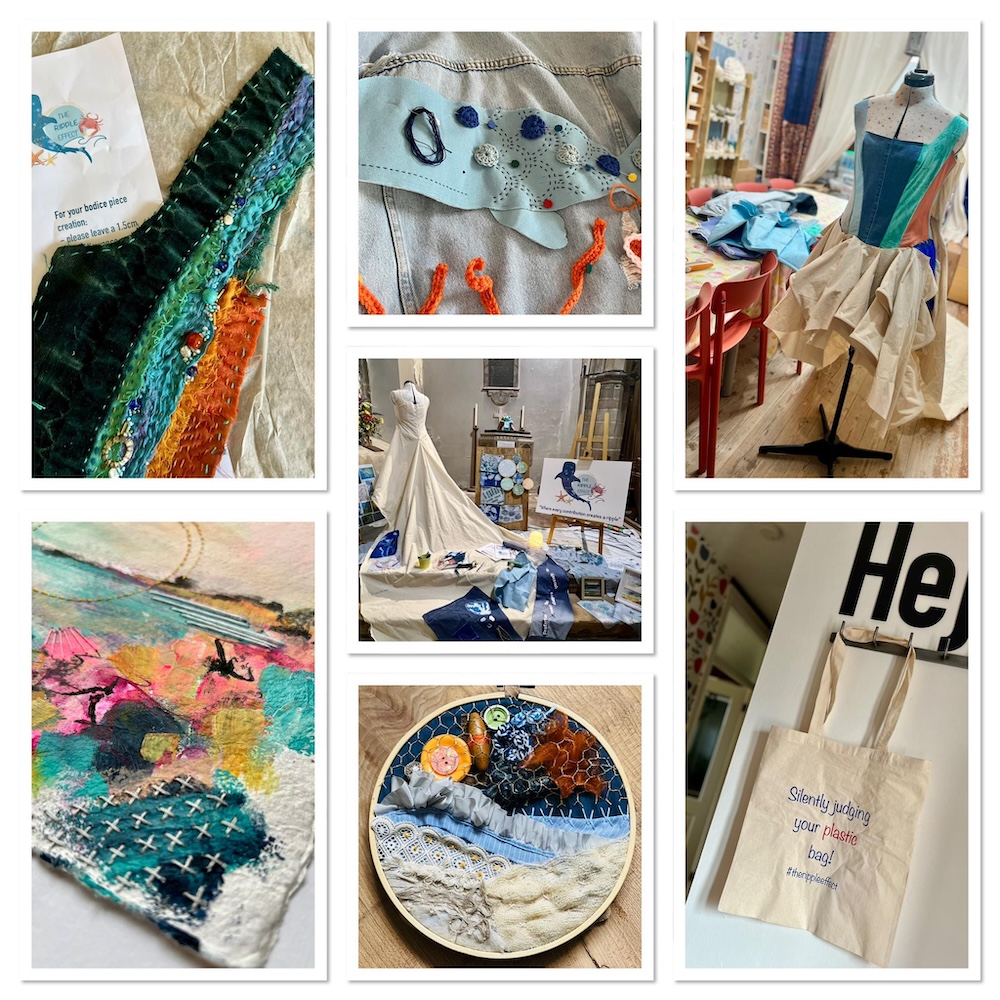
A customer came over to me and asked what I was doing and this started quite a long conversation. She informed me of a local community project called the Ripple Effect Dress. This is a creative project inspired by David Attenborough’s ‘Ocean’ film. People were invited to design and make a unique piece to be added to the Ripple Effect Dress. I wish I had known about it in time to take part as it sounds such a fantastic idea. However it will be possible to see the finished dress and be inspired by the work others have done on Friday May 8th. I do not have any more details at the moment but will keep an eye on their social media page Facebook, the Ripple Effect and Instagram. The Ripple Effect Dress

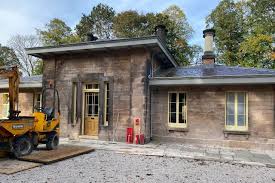
A bit more information about the trains part of this blog. The restoration of the Grade II listed South Wingfield Station, (one of the world’s oldest railway stations), was completed by the Derbyshire Historic Buildings Trust in late 2023. The project restored the building to its original 1840 appearance, featuring repaired stonework, restored fireplaces, and a new visitor centre in the adjacent Goods Shed. Wingfield Station is open to the public as a heritage centre, tea room, local community amenity, event space and is also available for private and business hire. The cafe is open to the public from Wednesday to Sunday, more information and be found here www.wingfieldstation1947.co.uk
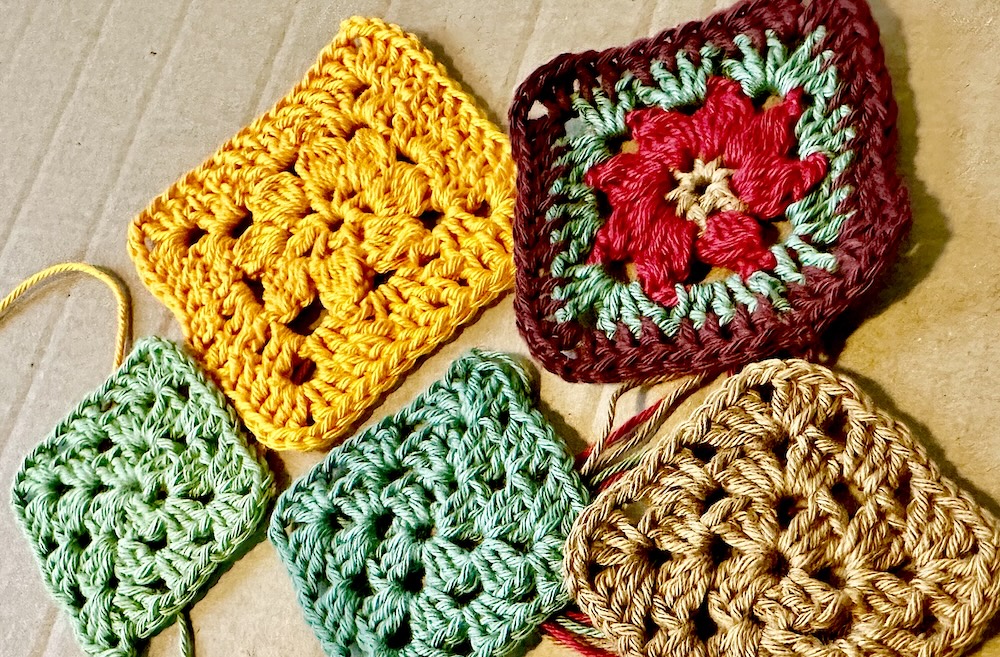
As far as the crochet is concerned, I am enjoying getting back to learning this skill but still have a long way to go. I find the website https://attic24.co.uk extremely interesting and helpful.
Canaries in the Churchyard

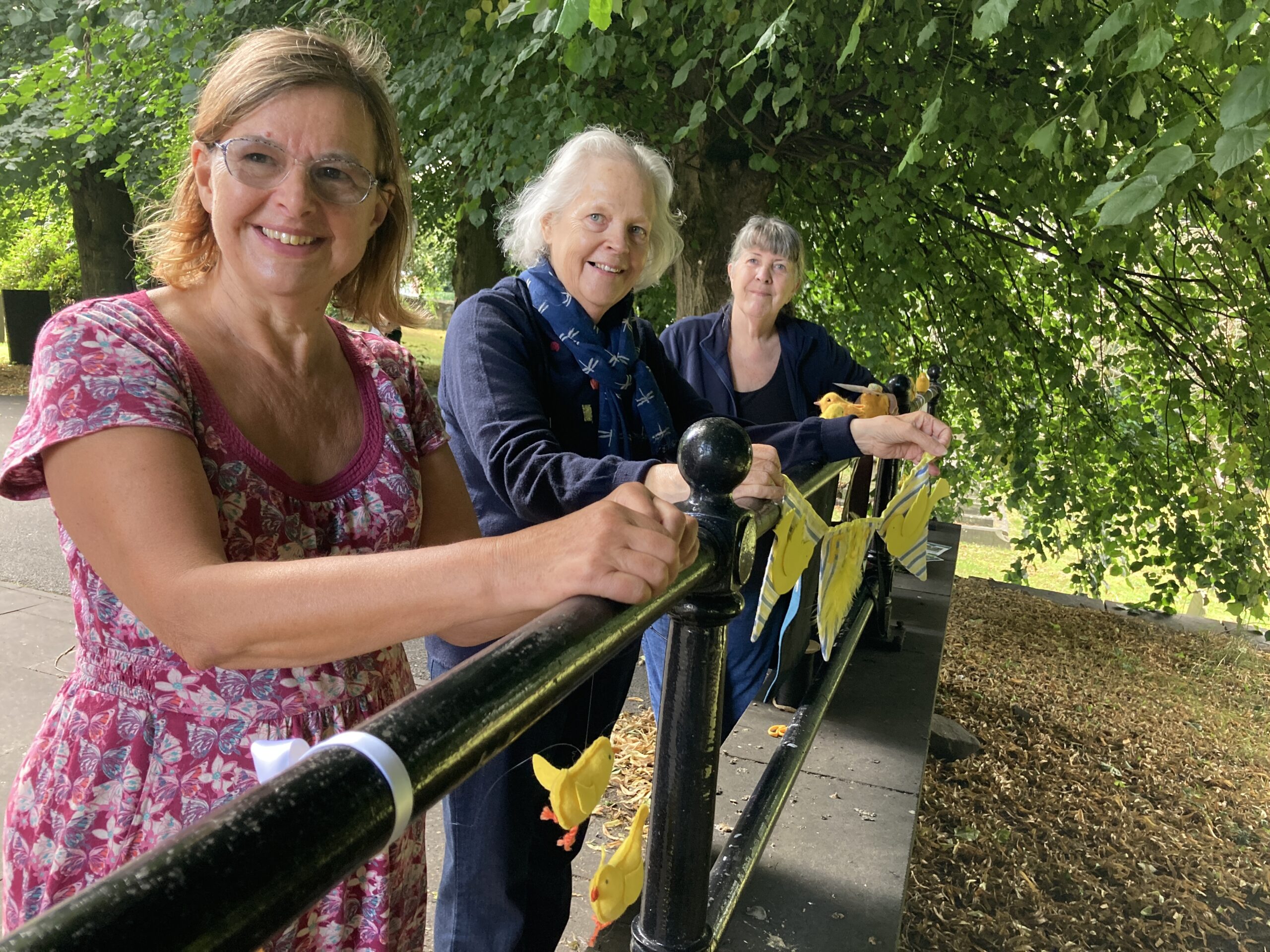
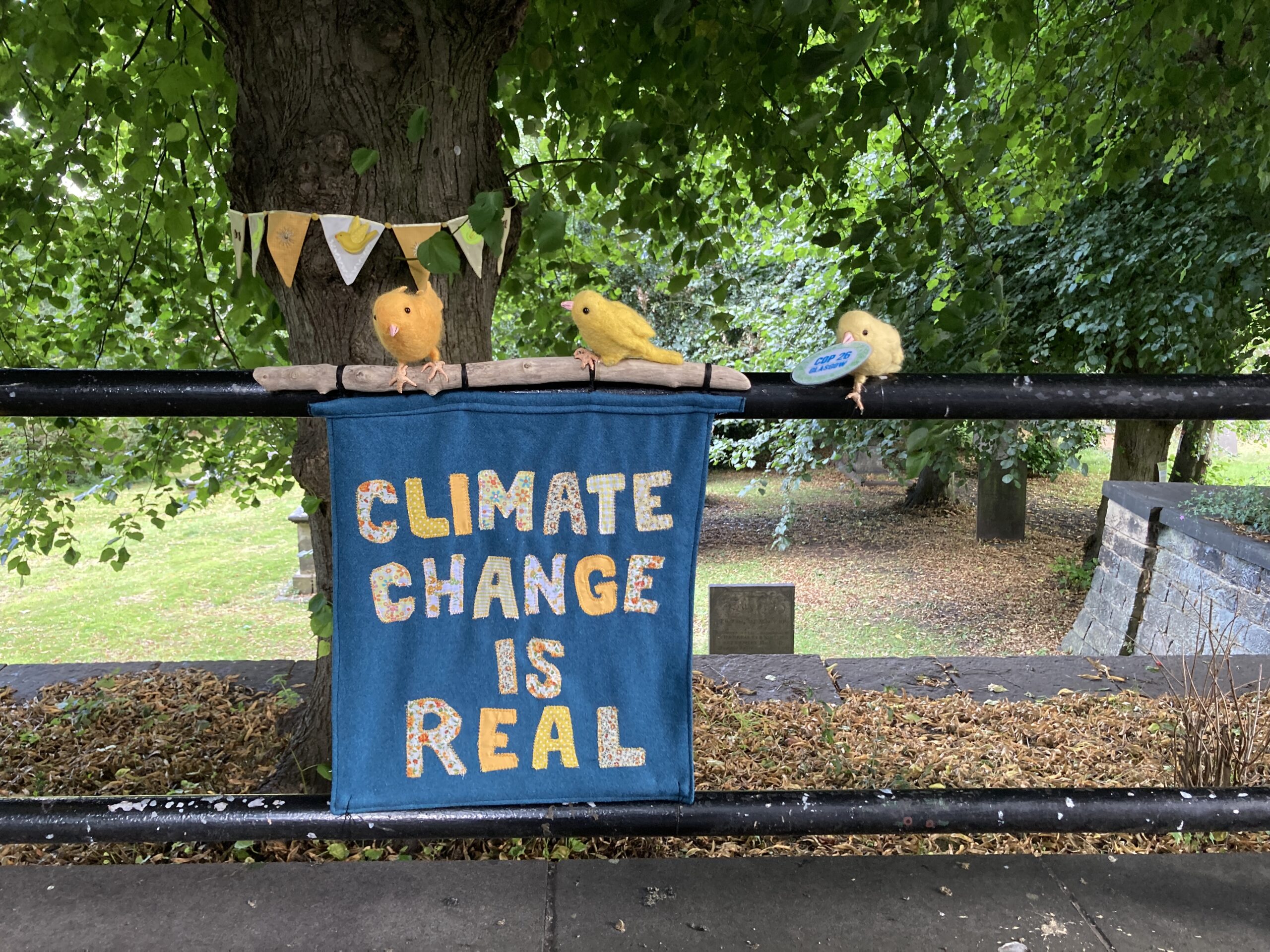
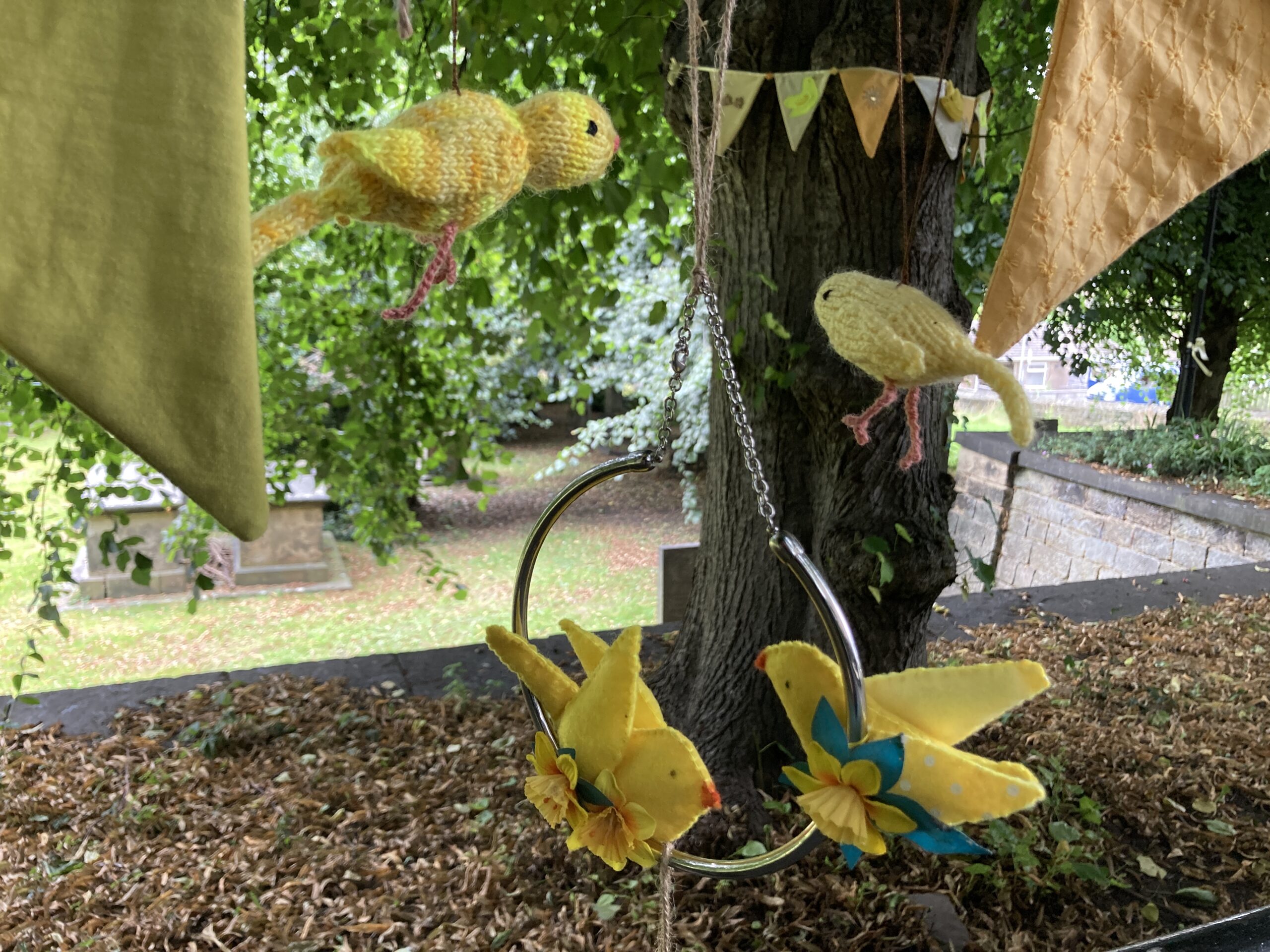
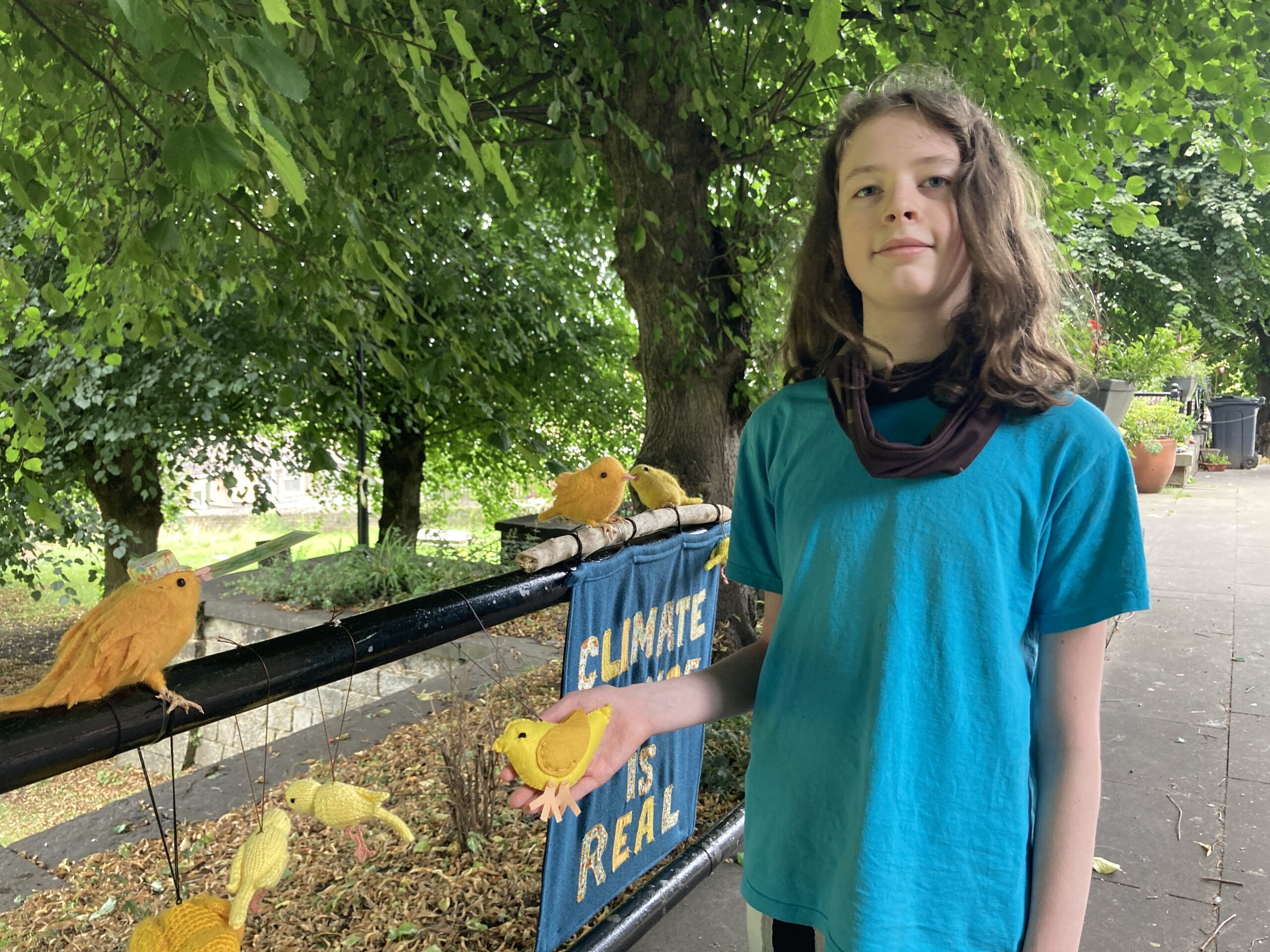
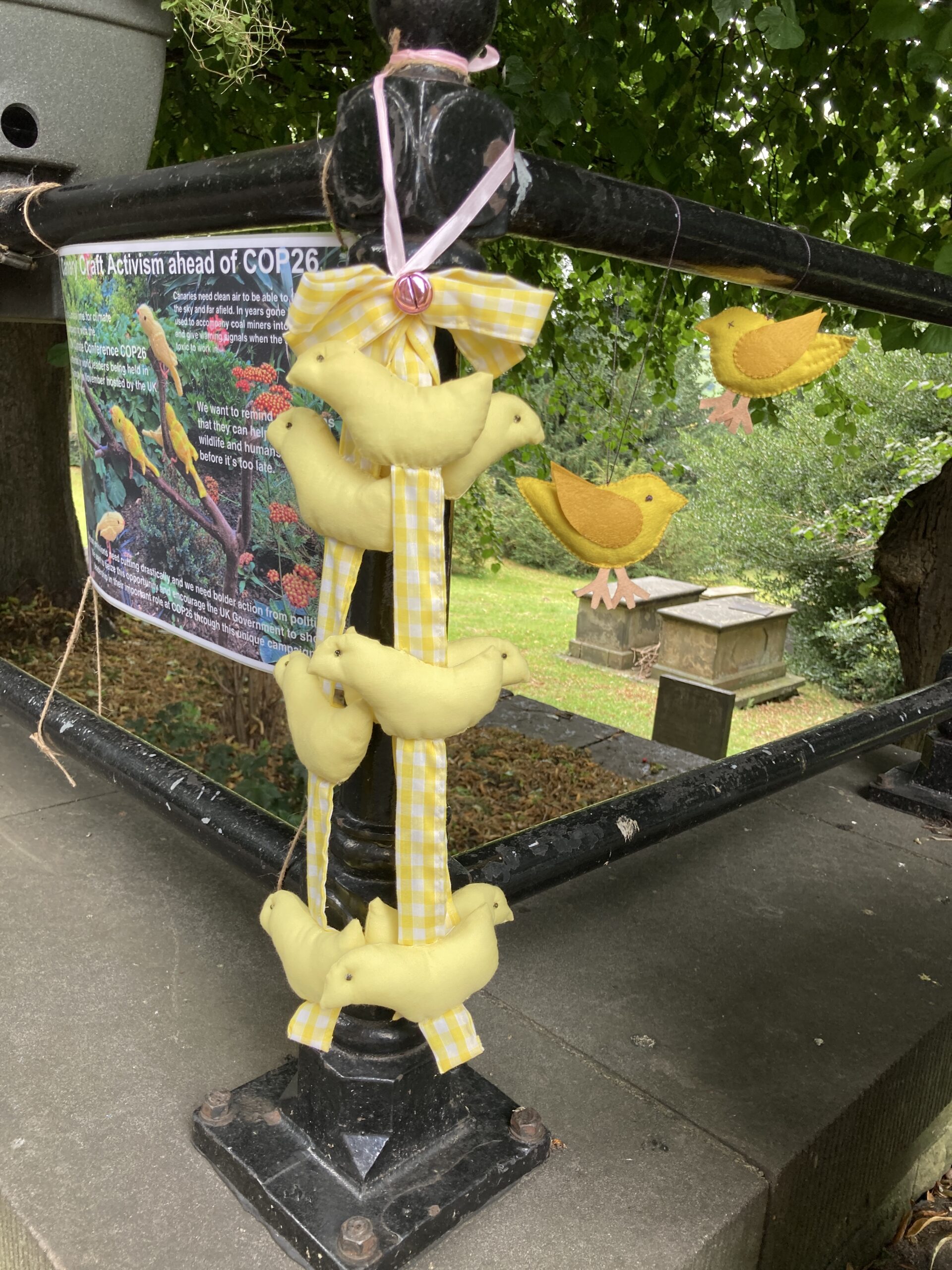
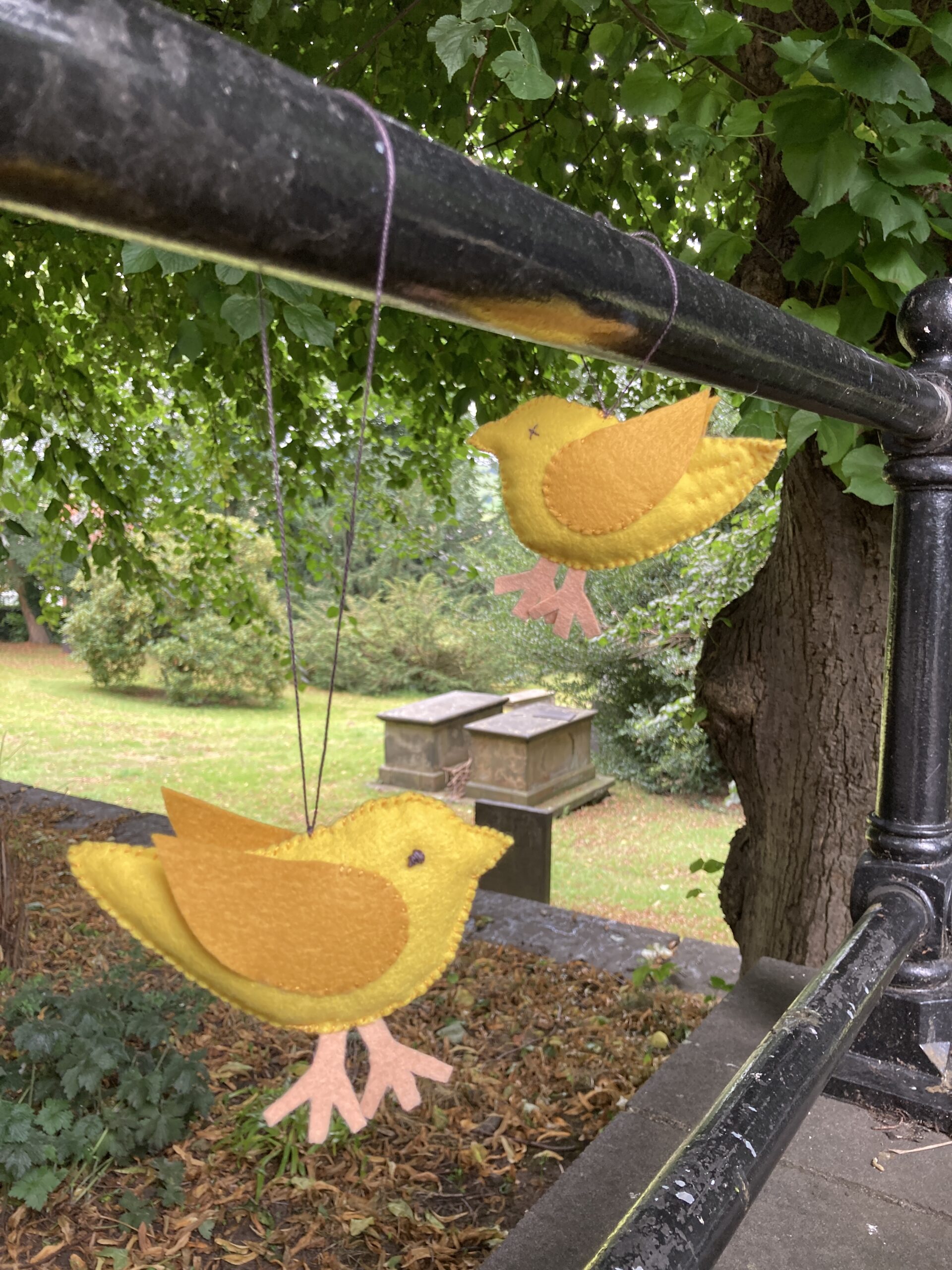
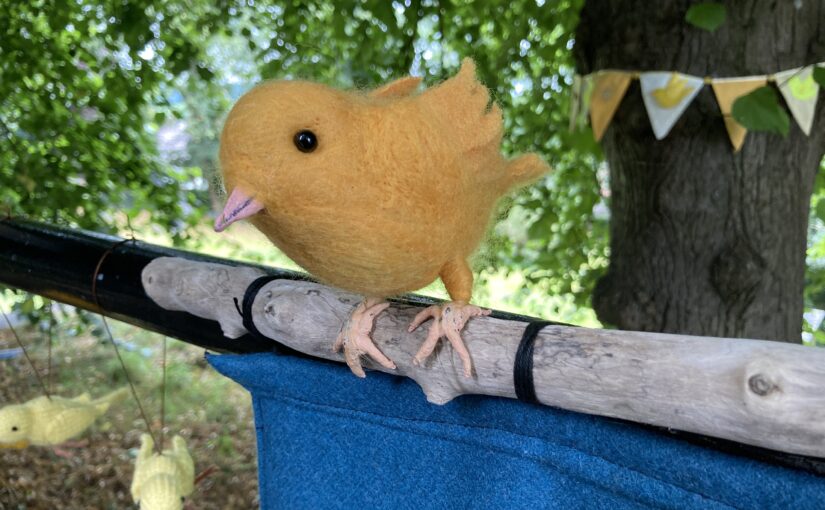
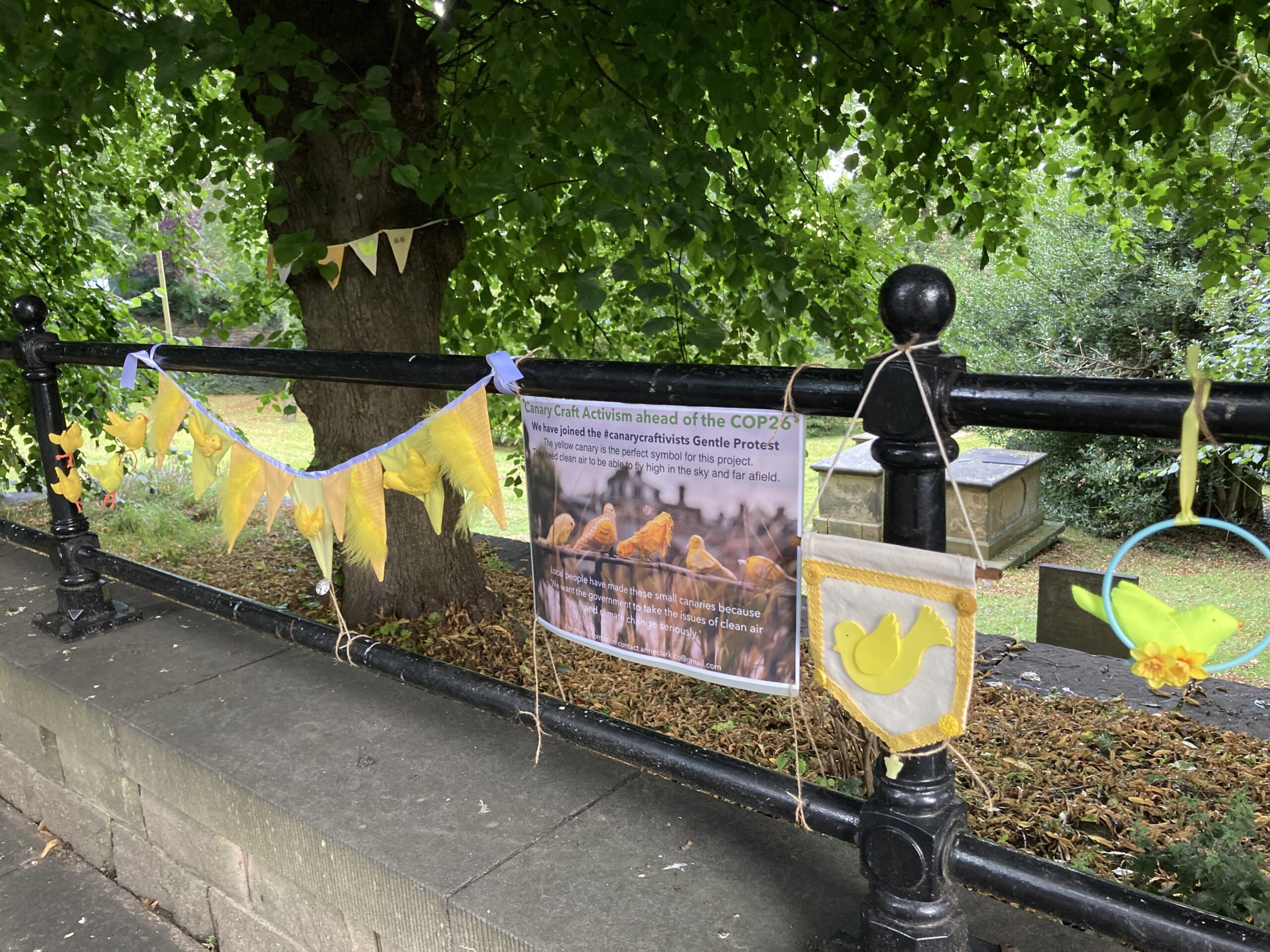
In August canaries appeared in St Peter’s churchyard decorating the railings. The canaries and yellow bunting have been handmade by people to share their concern about climate change. Inspiration has been taken from yellow canaries because they are small, sensitive little birds that were used in the past to warn miners of dangerous pollution such as carbon monoxide.

In the same way the Craftivists hope that their little canaries and images of them sitting quietly in small ‘flocks’ will gently warn and remind us and those in power about the urgent dangers of global warming. Belper is a wonderful community and together we can try to have an impact on our town and the wider world. This is our way of saying we want to live in a world where we take care of nature, wildlife, people and protect our environment  from global warming. The ‘Canary Craftivists’ campaign is part of a nationwide initiative run by the Craftivist Collective, who use handicrafts as a form of quiet, kind and attractive activism that they call ‘gentle protest’.

This year the UK has a particularly important role to play to address climate change as it’s hosting the COP26 UN climate summit in November. This meeting, hosted and overseen by Boris Johnson and the UK Government, will be a key moment where world leaders negotiate how they will reduce emissions to protect the environment and stabilise the climate.

As the first country in the world to industrialise, the UK has pioneered and shaped the world as well as contributing to the creation of climate change. The UK Government has an important role in bringing world leaders together to agree a way forward that will help, not harm, the world.

In another initiative this year the Young Christian Climate Network has organised a relay route where young activists will each complete a stage. Instead of a physical baton, each relay group will carry the same message of crucial action needed to reverse climate change.  The relay will move from Truro Cathedral, near to where the G7 met, to Glasgow where COP26 will be begin on October 31.

BLUE Campaign

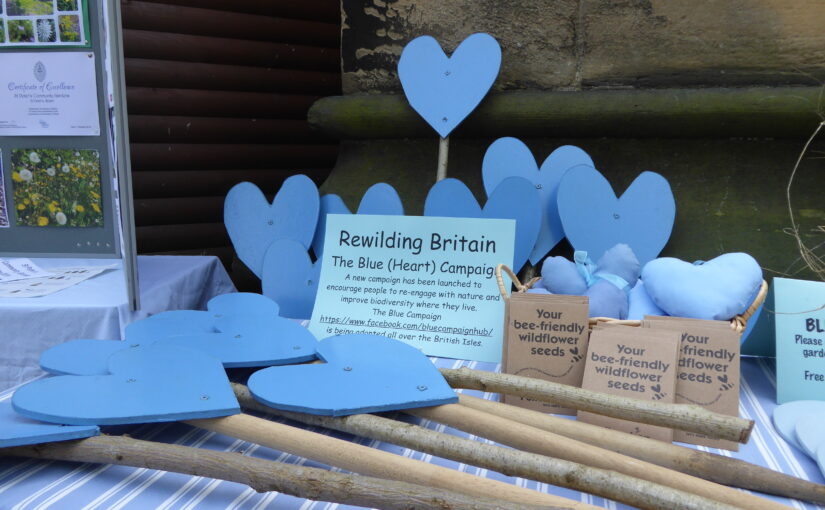
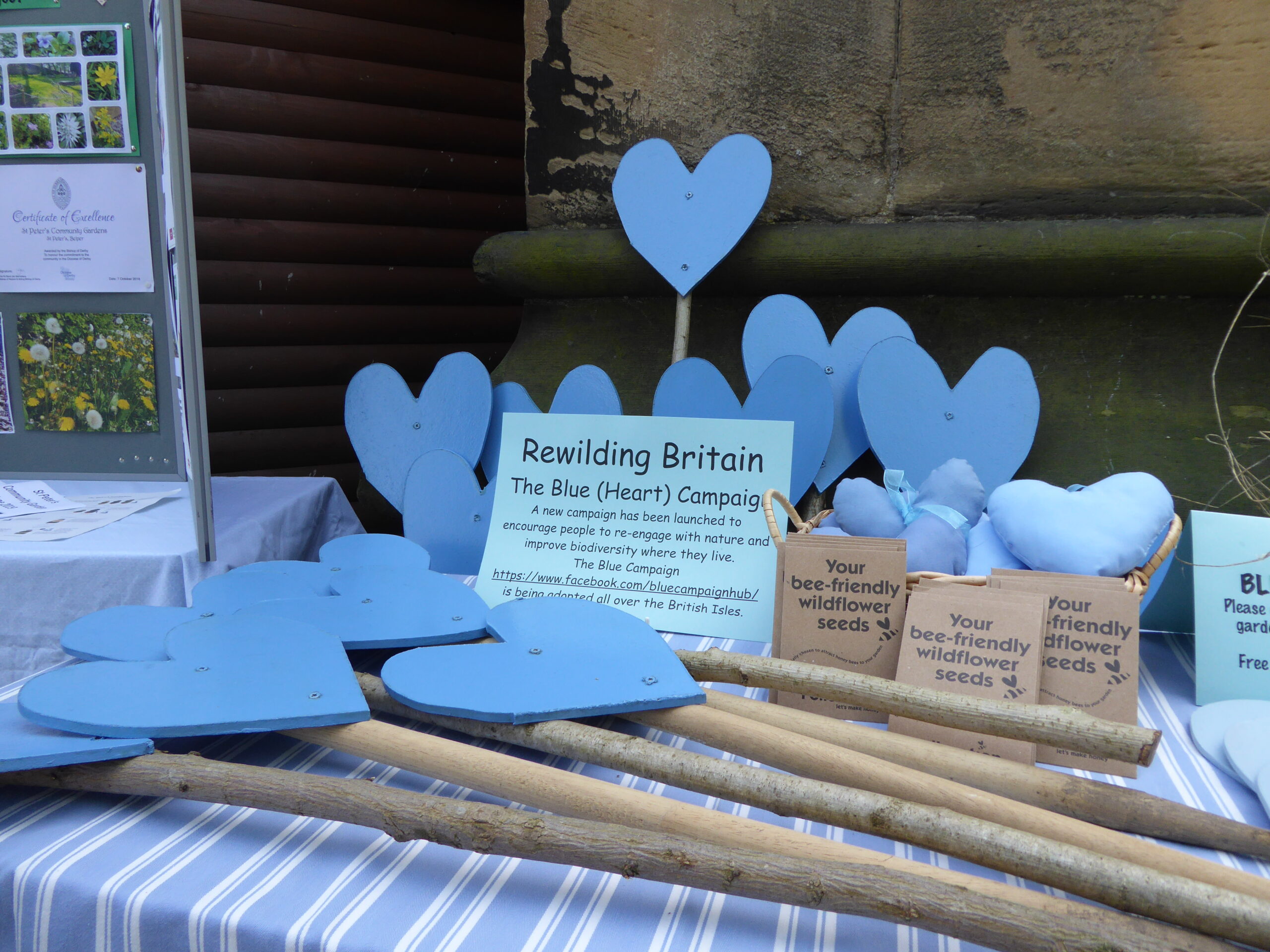
Blue hearts have been used as a symbol for a number of different campaigns. People were asked by some to put blue hearts in their windows to show support for the NHS. One of the campaigns I am most interested in, is the Blue Campaign for wildlife. https://bluecampaignhub.com/ This campaign encourages people to bring their local area to life by gardening for wildlife. We believe that each individual can change their surroundings and help restore UK biodiversity, either in their own garden or by working with councils or schools. Once one blue heart appears, others often follow.

If you would like a healthy garden full of colour and life, re-wilding is for you. It takes less effort than conventional gardening, and all of the plants are already in place, waiting for a chance to grow. You do not need to use wildflower mixes however it can be fun to see what extra plants these might bring.

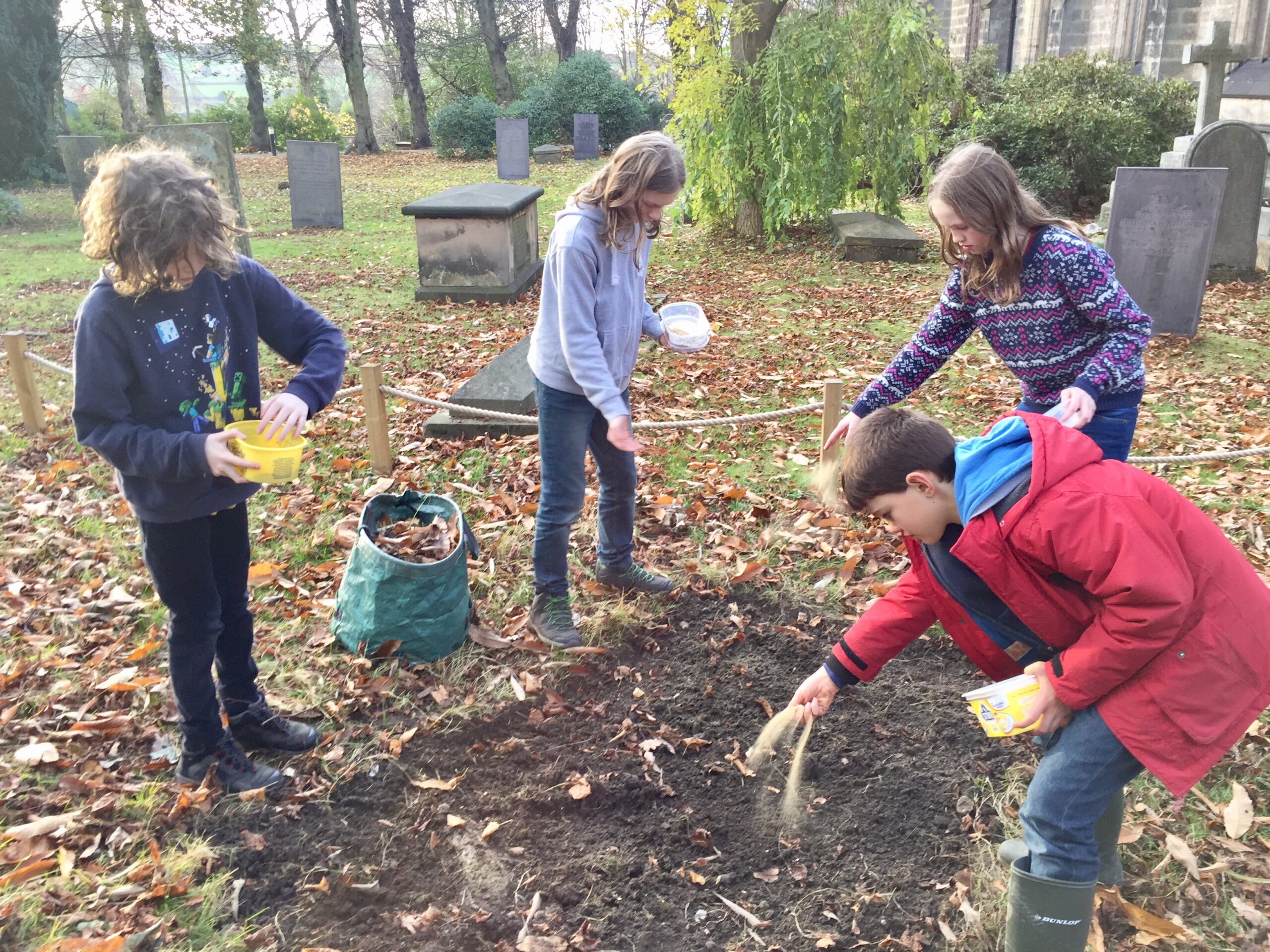
Sowing wildflower seeds St Peter’s churchyard, Belper

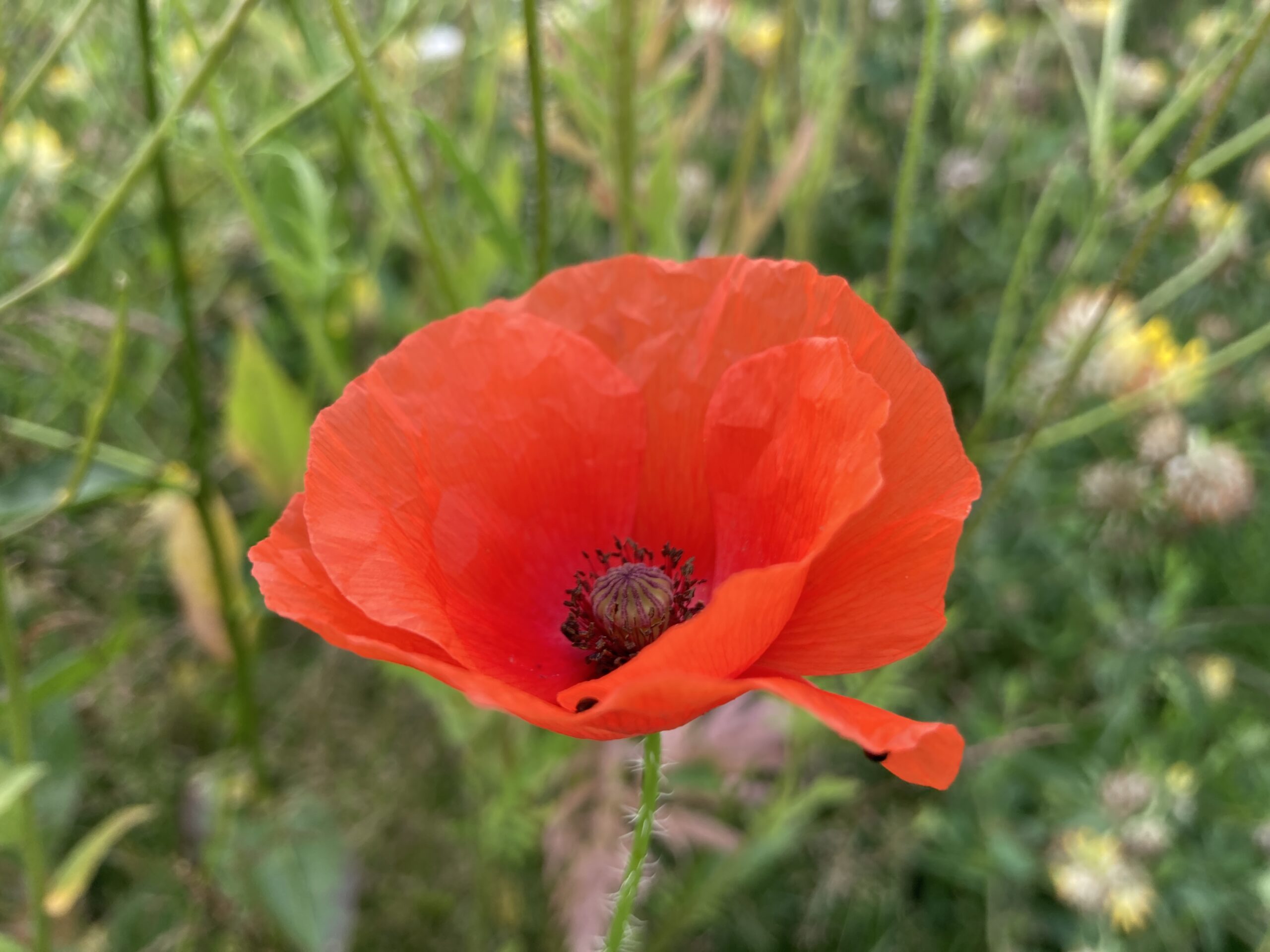
There are a number of specialist websites that I have used. meadowmania.co.uk They have over 30 years’ experience of producing and supplying the highest quality seeds and plants, and they are passionate about British native wildflowers and seed. Rewilding part of your garden is also one very easy step to help restore UK biodiversity with habitats including long grass, hedges and ponds. Another company I have used is Naturescape www.naturescape.co.uk who are based in Langar Nottinghamshire. They have fields of wildflowers that you can walk around and a tearoom worth visiting.

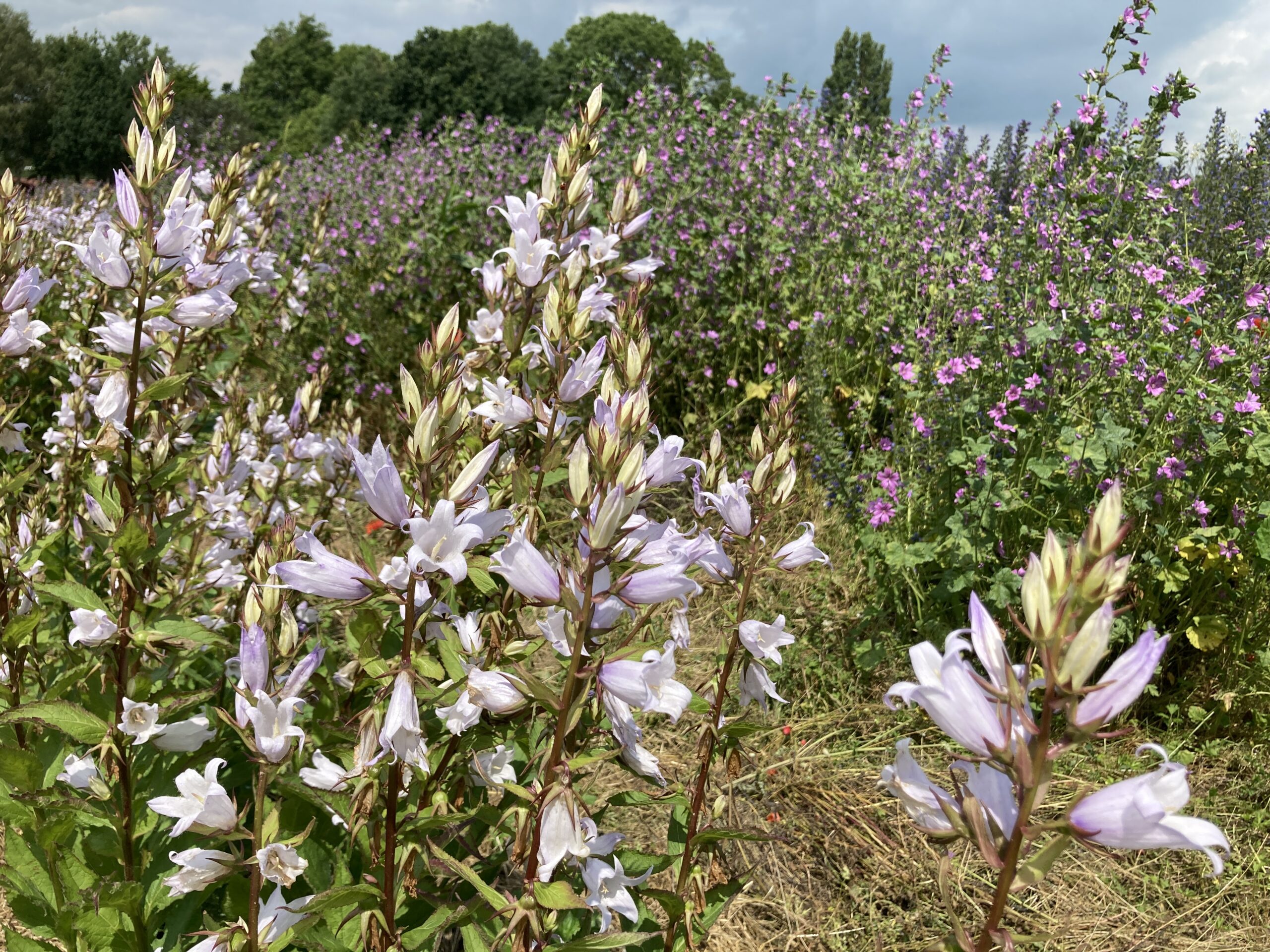
Naturescape, Langar Nottinghamshire

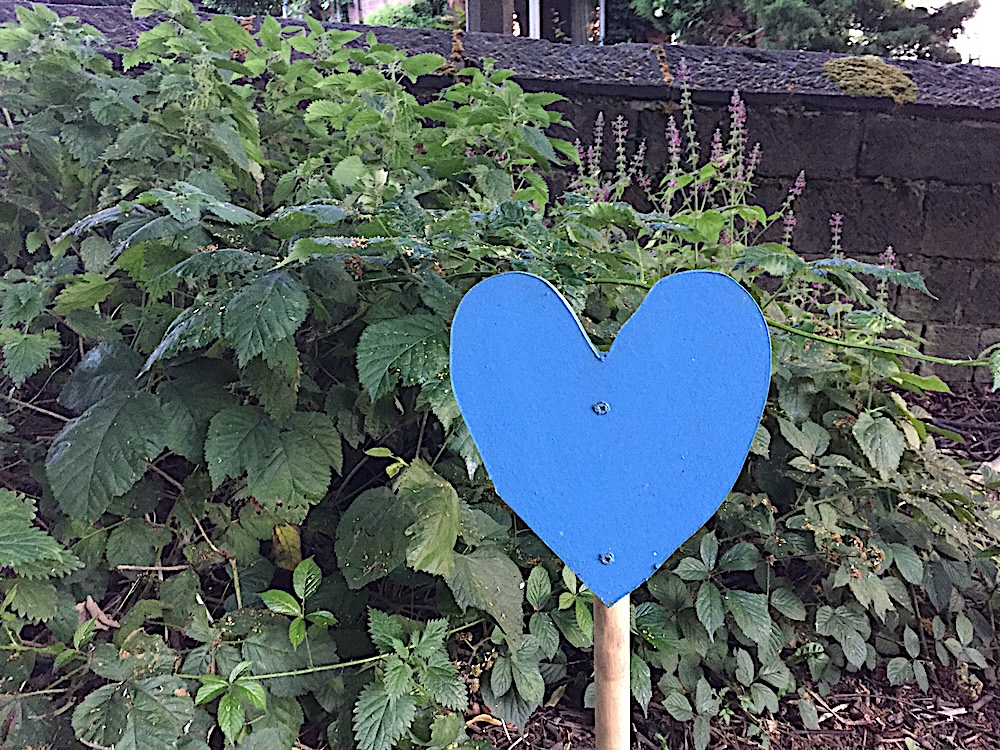
You can start by leaving an area of your lawn without mowing it, when you do this, the native plants in your lawn will start to flourish, providing food and shelter for a wide range of invertebrates, birds, mammals and amphibians. You can do one mow in September once all the plants have seeded, but a completely undisturbed section will lead to a more developed habitat. The idea of the blue hearts on a stick is that if you place them in the area it tells everyone that this is being done to make a difference for wildlife and not because you cannot be bothered.

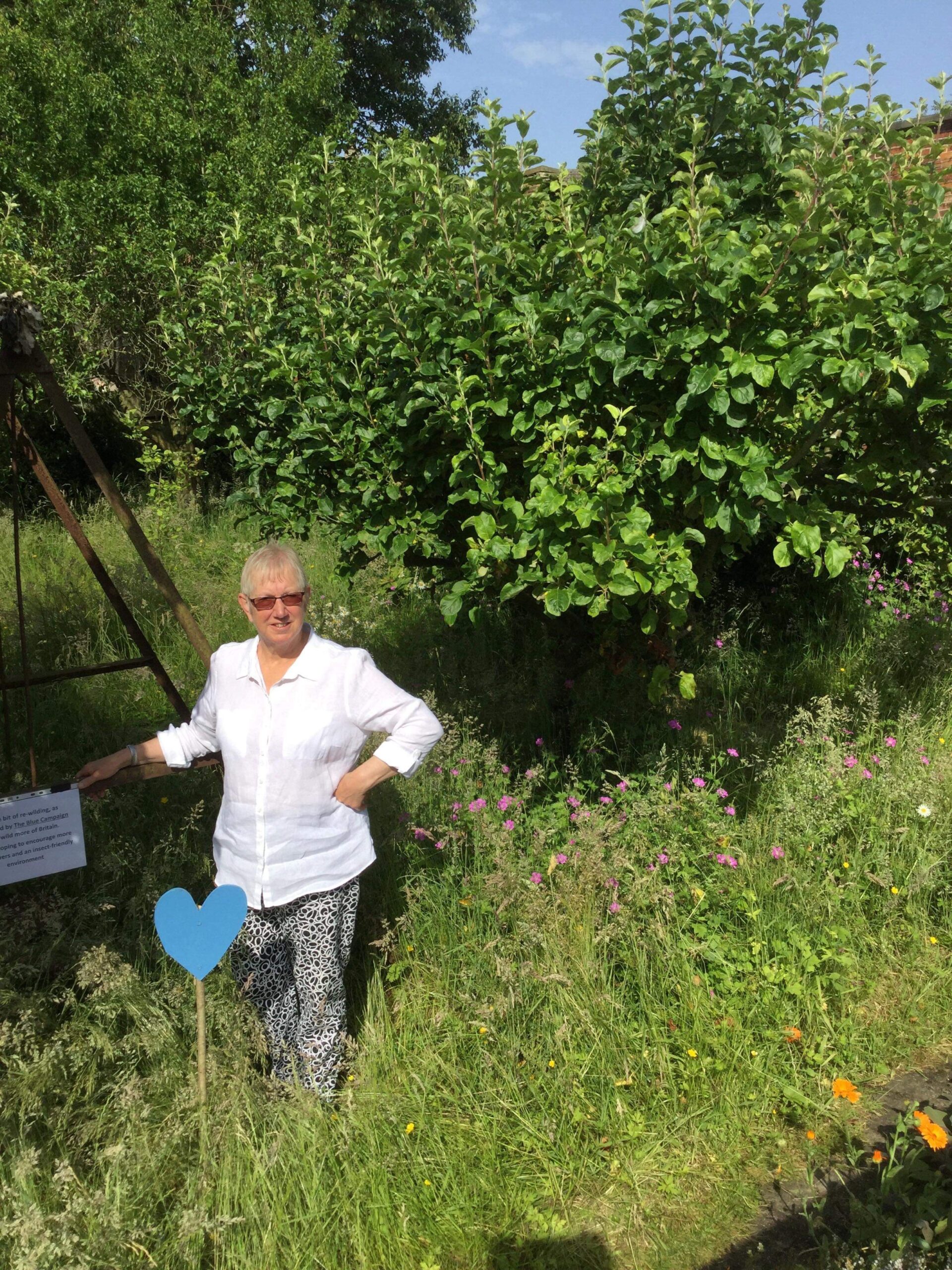
This garden is part of Belper Open Gardens and the blue heart shows the area being left for wildflowers.

It does not matter what your blue heart is made from but whatever you use may encourage others to do the same. In 2019 St Peter’s Church Belper gave away about thirty blue hearts and packets of wildflower seeds.

St Peter’s Summer Fair June 2019

Show the Love & Beyond.

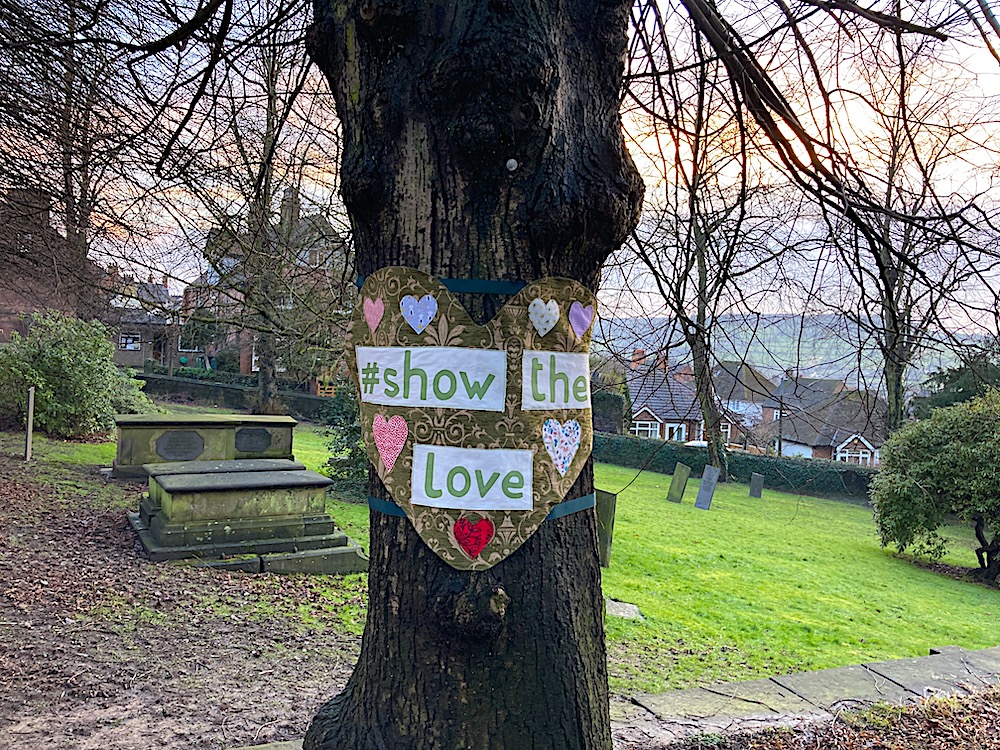
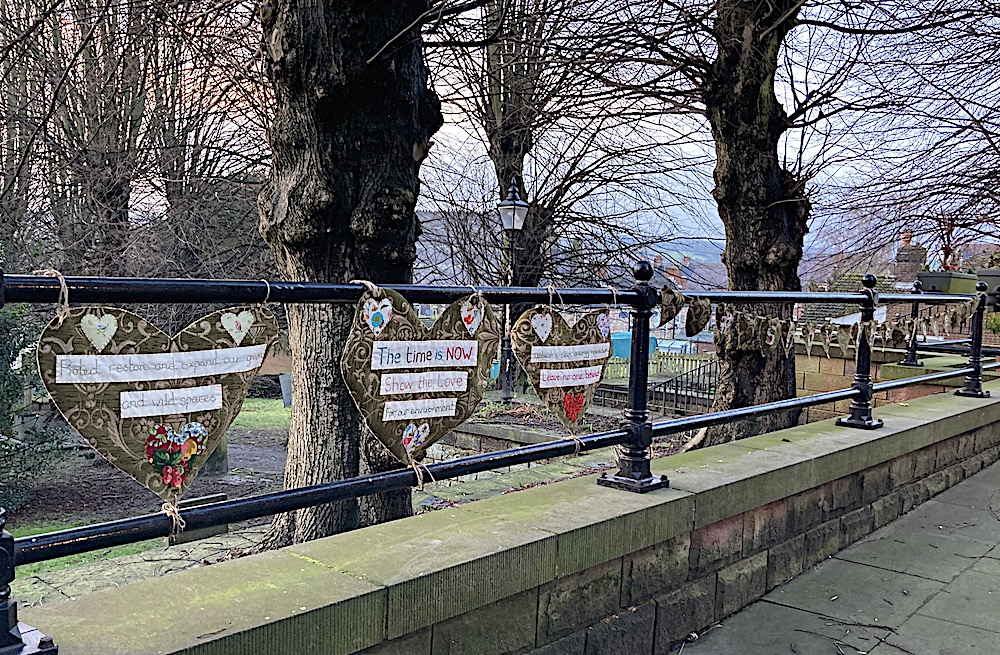
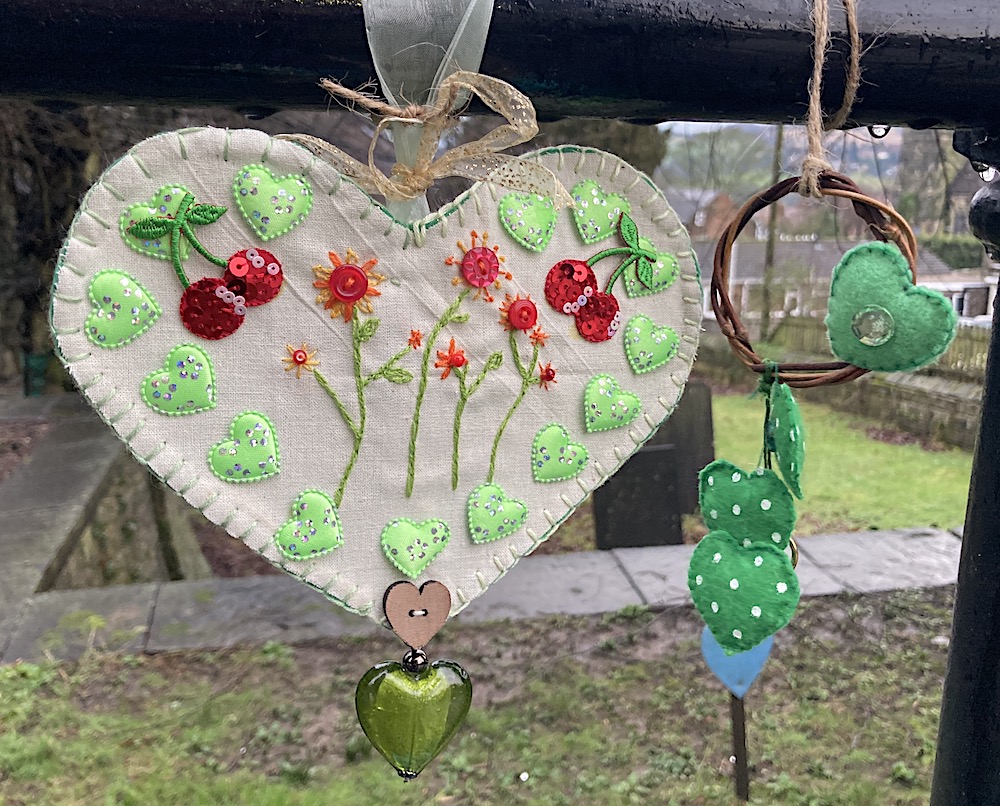
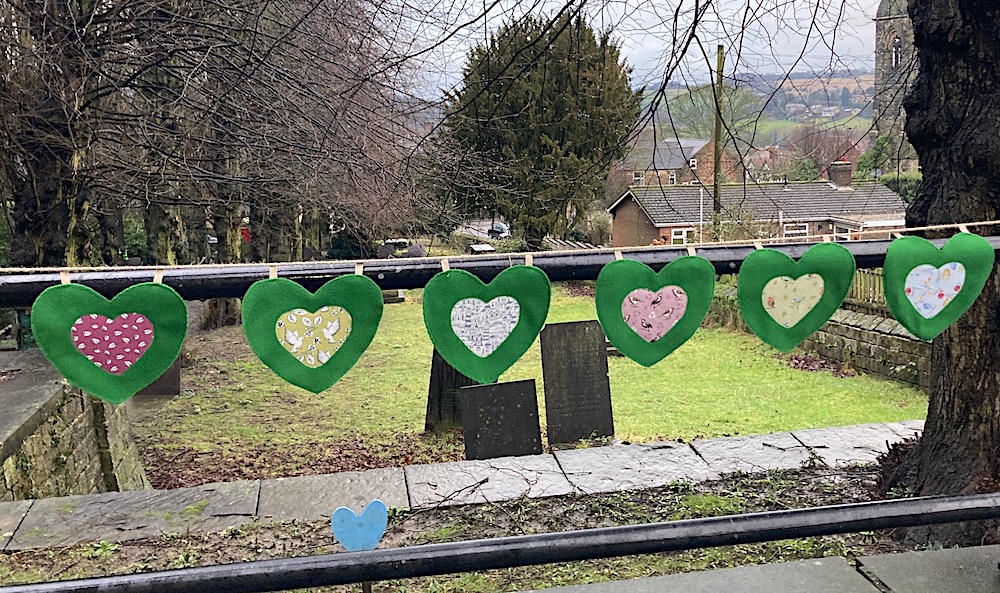
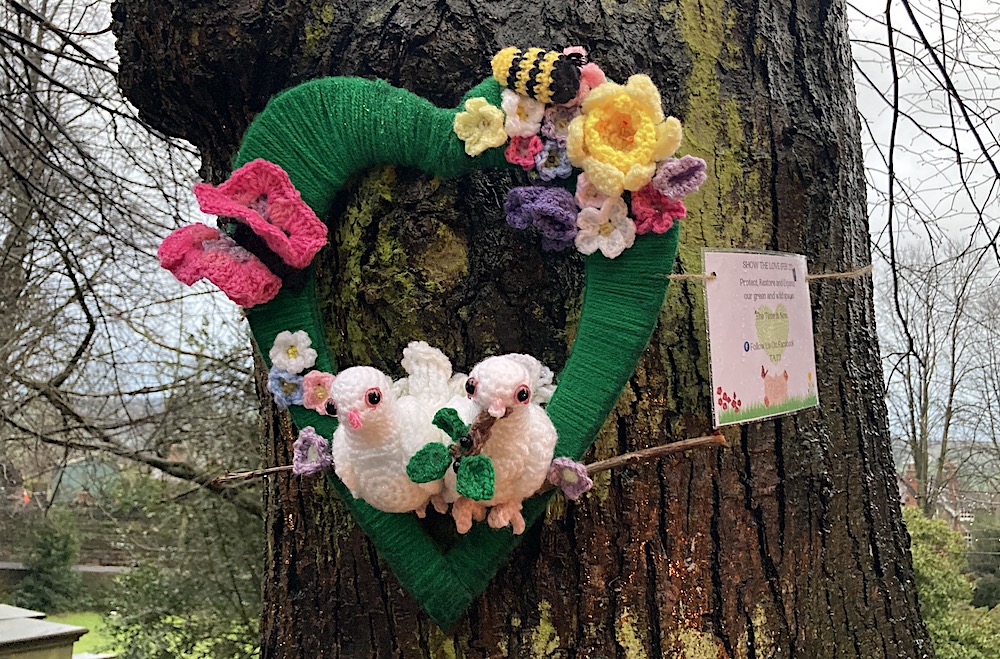
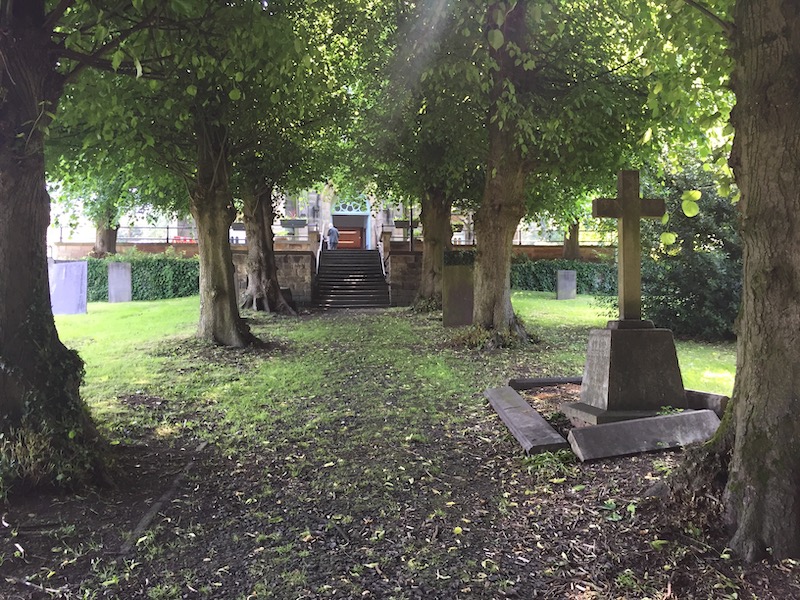
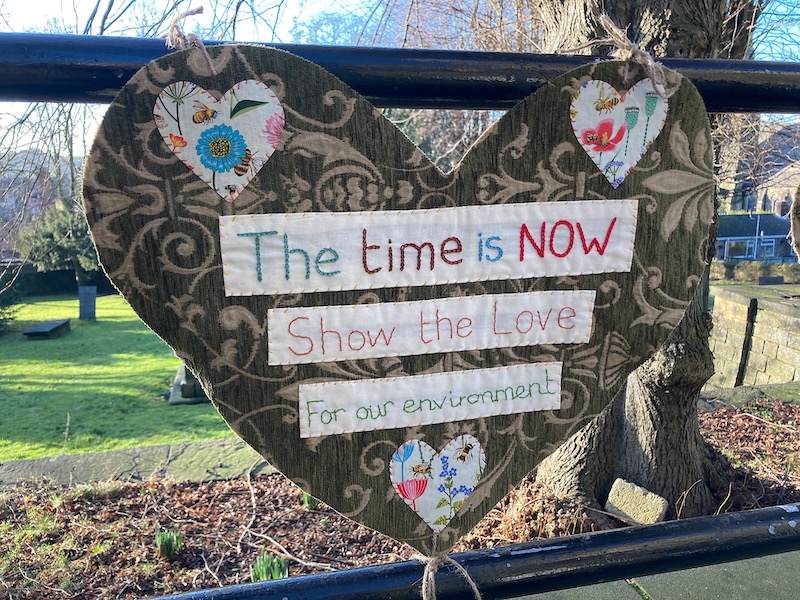
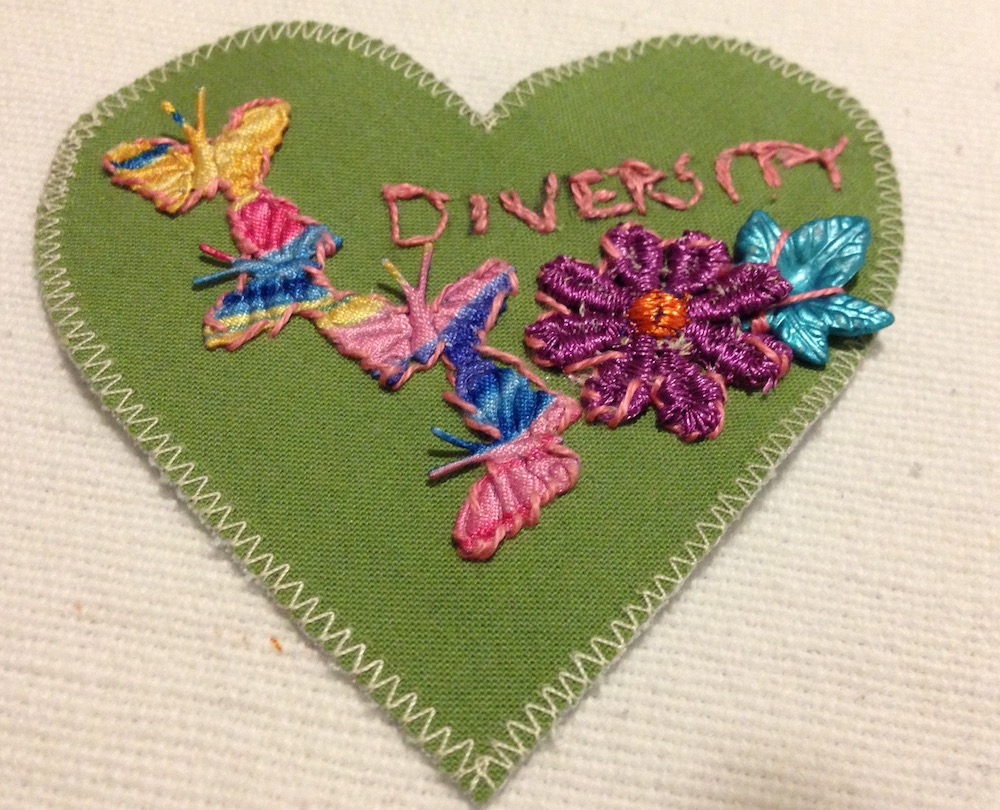
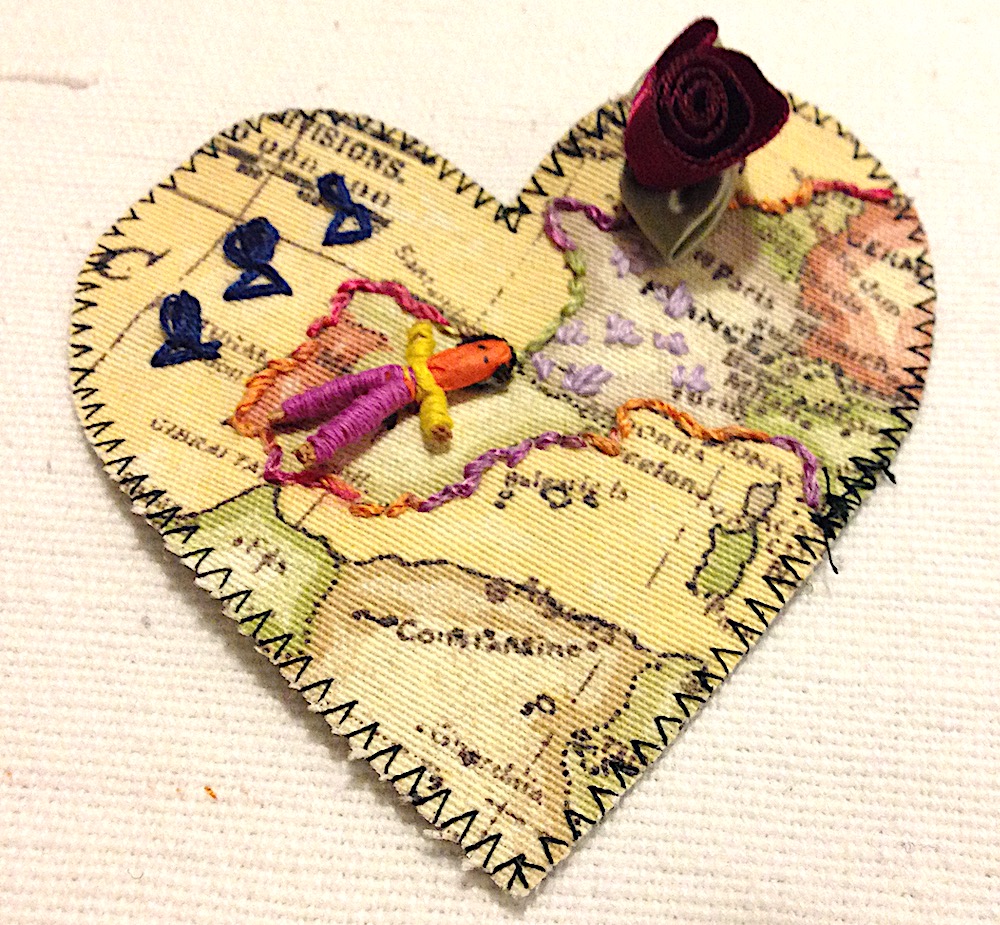
St Peter’s churchyard was decorated with green Show the Love, handmade hearts in February 2021. Trees along the paths and the railings were decorated by local people and groups. This was a community effort to join in with the Climate Coalitions call to #Showthelove for our world.

2021 is a very important year for the future of our planet with the UN Climate Summit COP 26 taking place in Glasgow in November.  We need the UK to ensure that the Climate Summit is successful and sets us on the path to a safe climate for all. Underpinning all of this is the imperative that global economic recovery is sustainable and doesn’t prevent us from limiting warming to no more than 1.5C.
Because of this the Climate Coalition are encouraging communities to have a Great Big Green Week in September as a call for action on climate change. Here are some of their ideas, ‘From local park clean ups and planting sessions, to concerts and community group stalls, you can plan events to suit your community. For guidance on how you can organise an event or green week, visit greatbiggreenweek.com

Already plans are being discussed in Belper and ideas being thought of. The date of the week is from September 18th – September 26th. Still hopefully plenty of time to plan. 

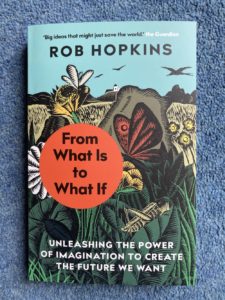
I have recently read Rob Hopkins book, From What Is to What If (Unleashing the power of imagination to create the future we want). It is full of inspiring stories of communities working together to improve their lives, the places where they live and helping to look after the planet. Rob emphasises how important it is to start by imagining the future you would like and then work out ways of helping that future happen.

We can all do something however small and lots of small things do make a difference. We can also join in collective movements to make sure our Government and local authorities know that we think the issue of Climate Change and the Climate Crisis must be taken seriously.

In the last two years I have changed my gardening habits and have tried to think of ways to garden to help wildlife. In the garden we can make a difference and some of what we need to do actually saves time and money. Last year we only mowed our lawn twice and in between allowed the grass to grow along with the daisies, dandelions and clover. One of the things that really bothers me is how many front gardens are paved over for cars. This could be mitigated with a few pots of suitable bushes and flowers to make a difference for bees and insects .

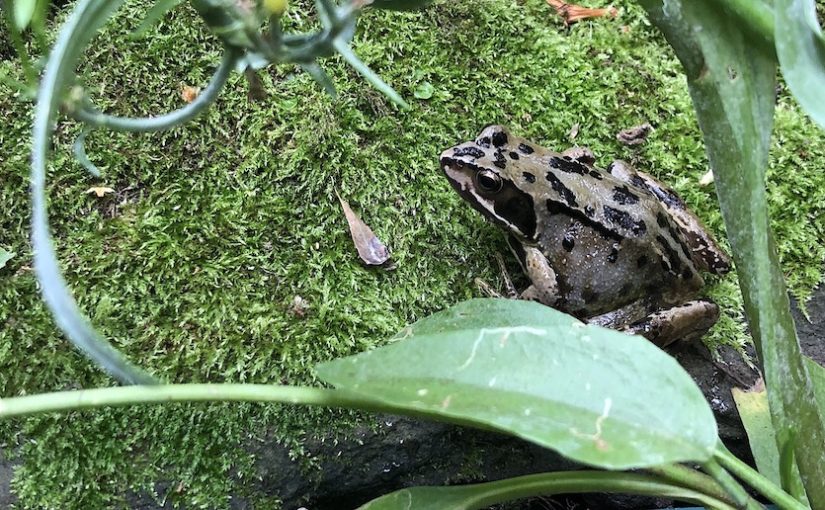
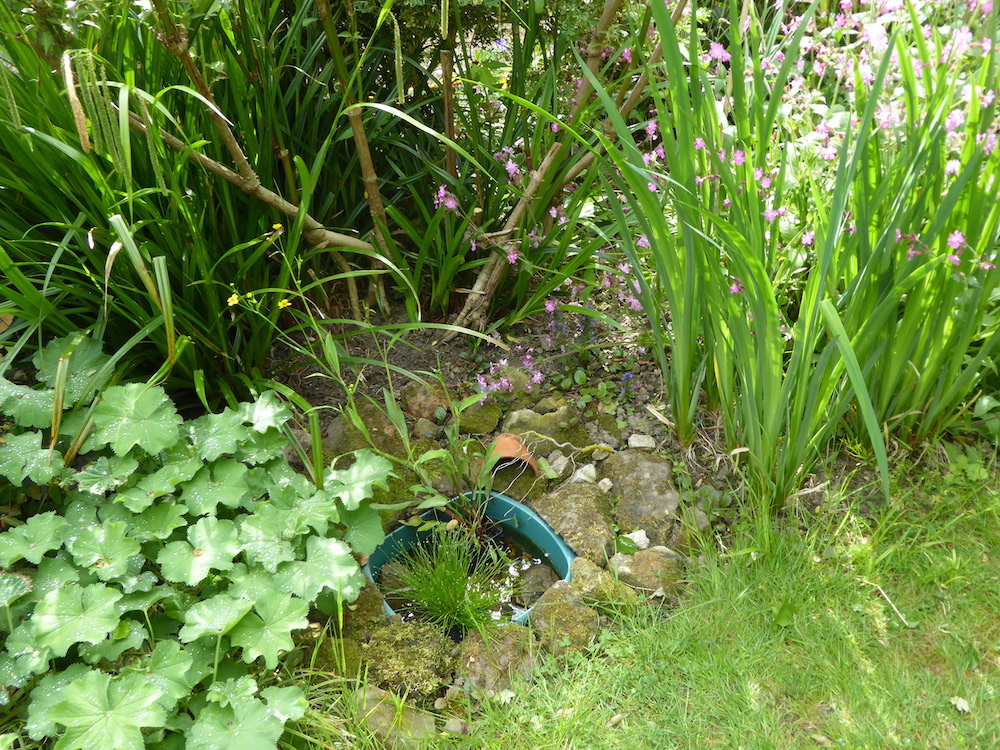
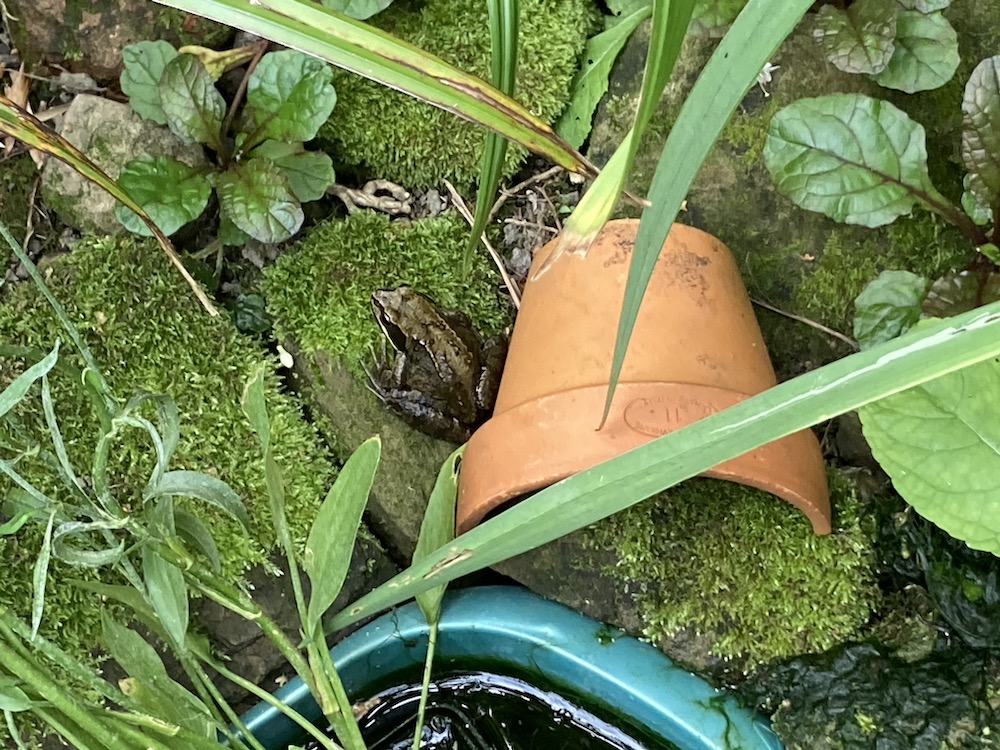
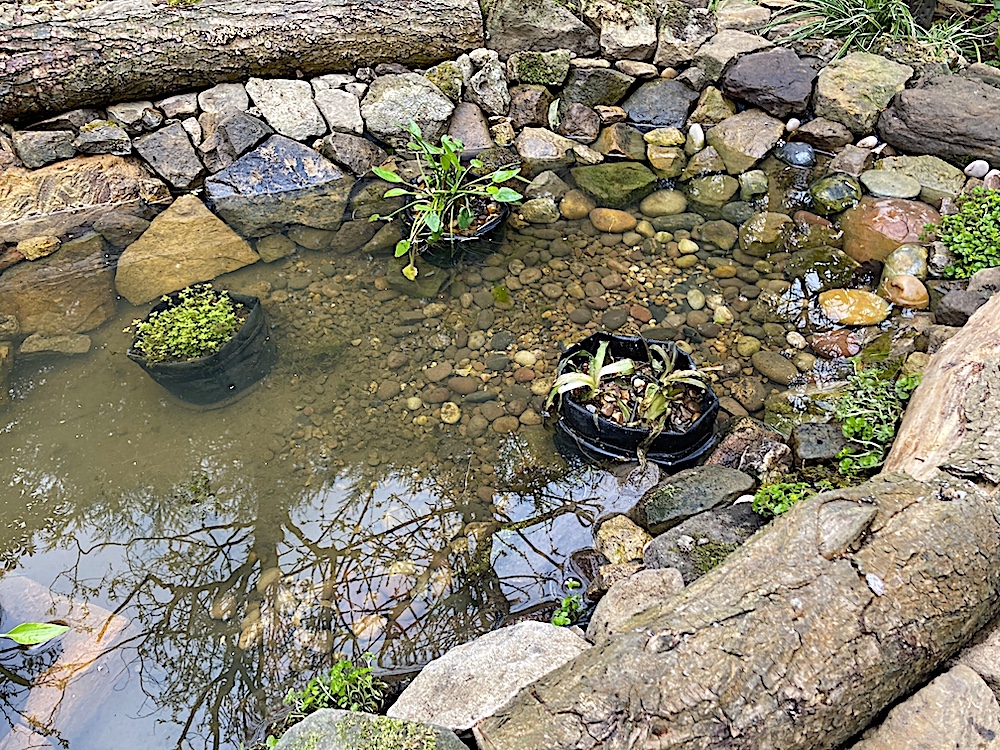
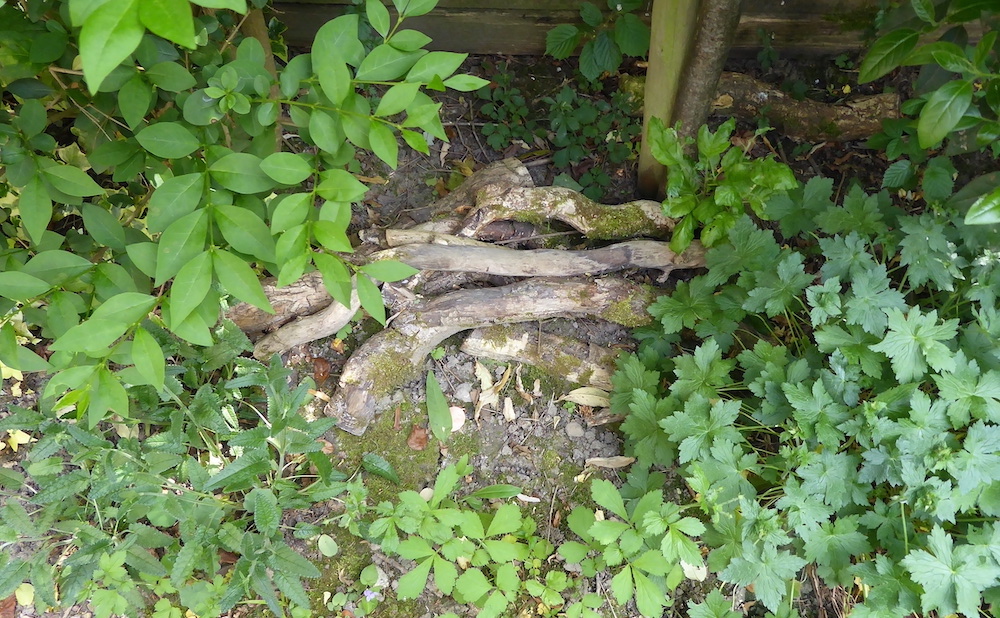
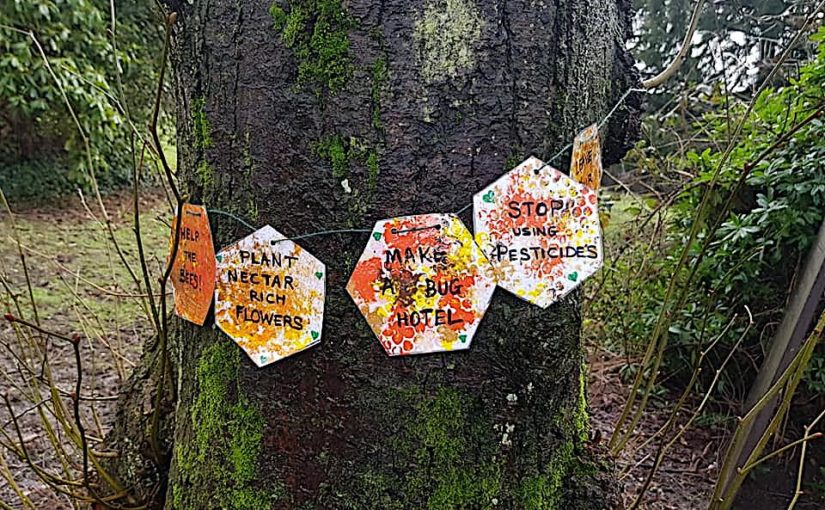
Another easy thing households can do is to stop using any sort of pesticide as this is harmful to all insects and other creatures who eat the insects. Last year I made my first wildlife pond in an old washing up bowl and then enjoyed seeing it regularly used by birds and frogs. A small effort can give a lot of enjoyment. This year I have gone a little larger by digging a bigger hole and using a liner. On one afternoon I watched starlings, blackbirds and sparrows taking turns to bath. One really important thing we can all do is to be untidy. When we do any pruning I now leave piles of branches under bushes and have seen wrens hopping about looking for bugs to eat.

More advice on gardening for wildlife can be found here, RSPB website and on the Wildlife Trusts website. Watching the birds, frogs, squirrels, bees and insects has given us so much pleasure during the last year of on and off lockdowns.

Trees of St Peter’s Belper


In the previous twelve months St Peter’s Church like other Belper churches has had to change the way it meets and serves the community. At times the building has had to remain completely closed. At the time of writing this, the church can open for two hours a day for private prayer and have a limited service on Sunday mornings. Most of the different church denominations in Belper have moved their services onto the internet with many now having their own Youtube channels. St Peter’s Parish Belper.

St Peter’s Church Belper

During this time St Peter’s has used its grounds and its trees as a way of bringing pleasure to many who walk through the churchyard on their journey around the town. This has included photographs showing the beauty of the natural world at Harvest Time starting in September 2020.

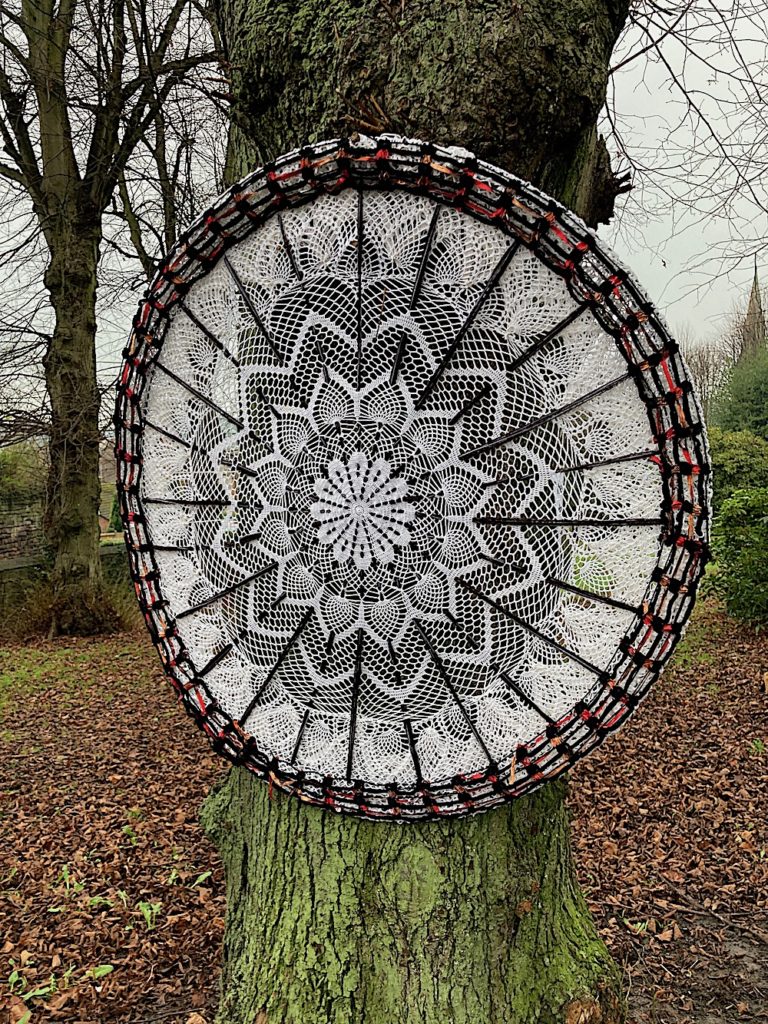
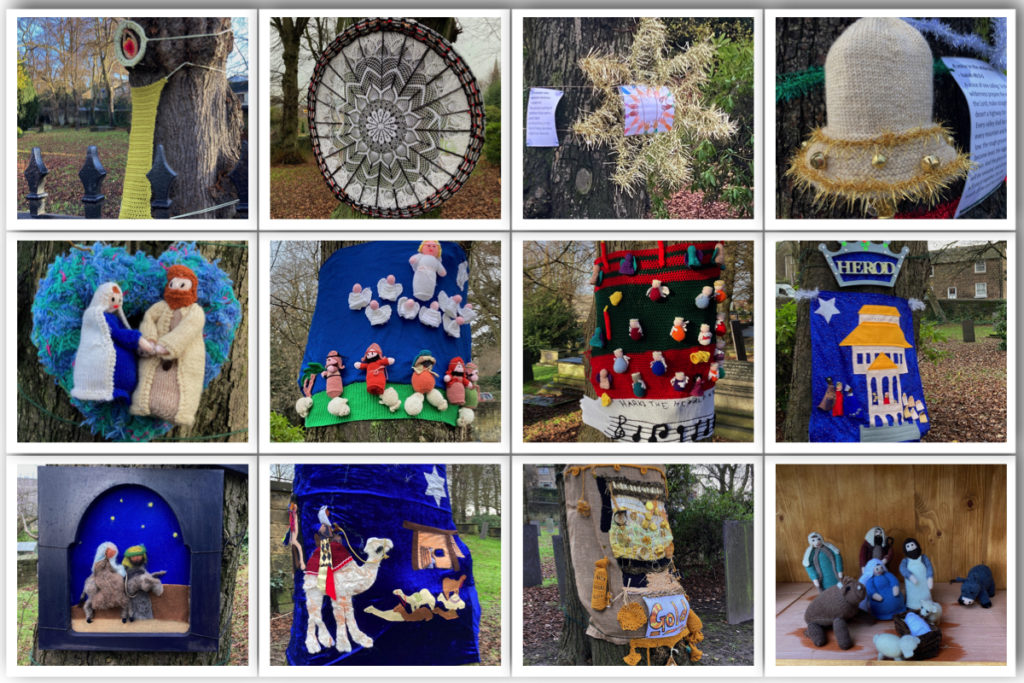
An Advent Calendar gradually appeared in December 2020, in the days leading up to Christmas. Trees were decorated by individuals and community groups with the organisation being coordinated by Belper Woollen Woods. As well as the items used to illustrate the Advent story, bible readings were also attached to the trees.

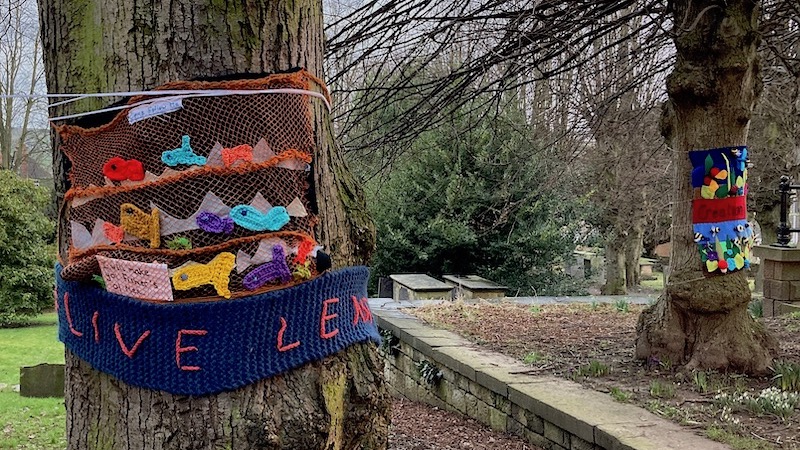
Trees were decorated in many different ways with people using wool to knit and crochet, copies of paintings by local artists, needle felted pieces, embroidered fabric, painted MDF and wood. A fantastic stable was constructed by Mark and Josh Gregory and this was gradually filled with the main characters from the Christmas story.

From an original painting by Fi Marks

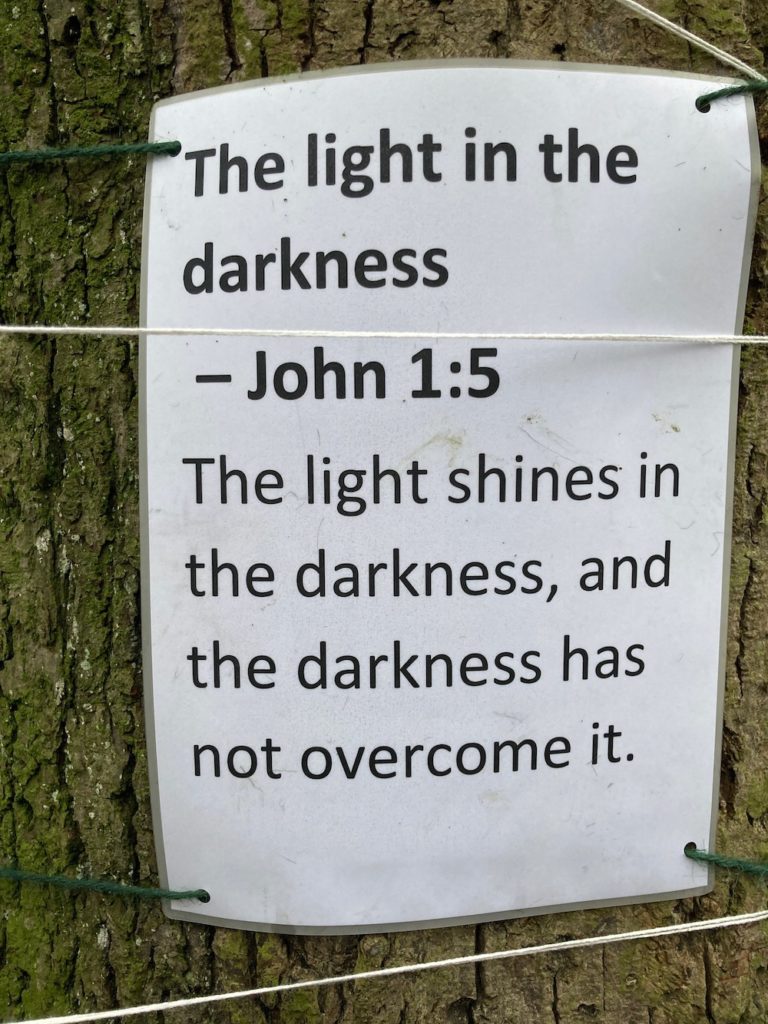
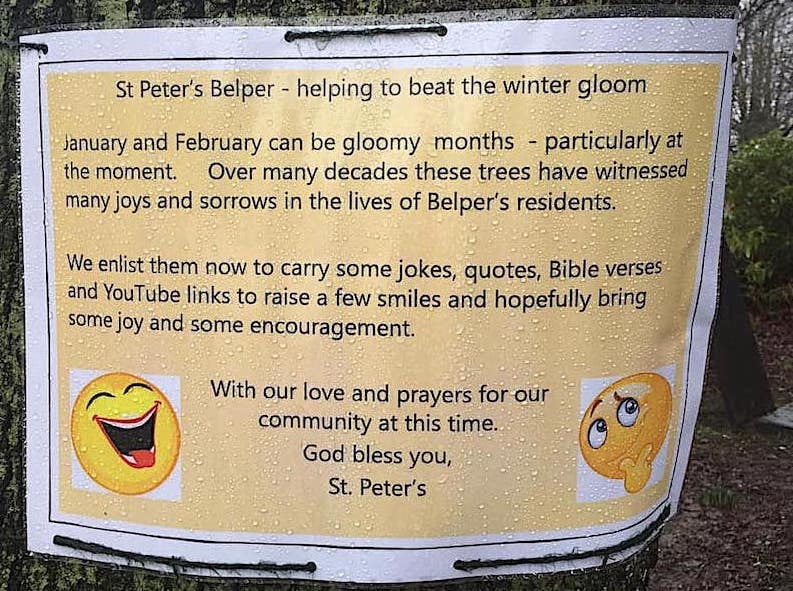
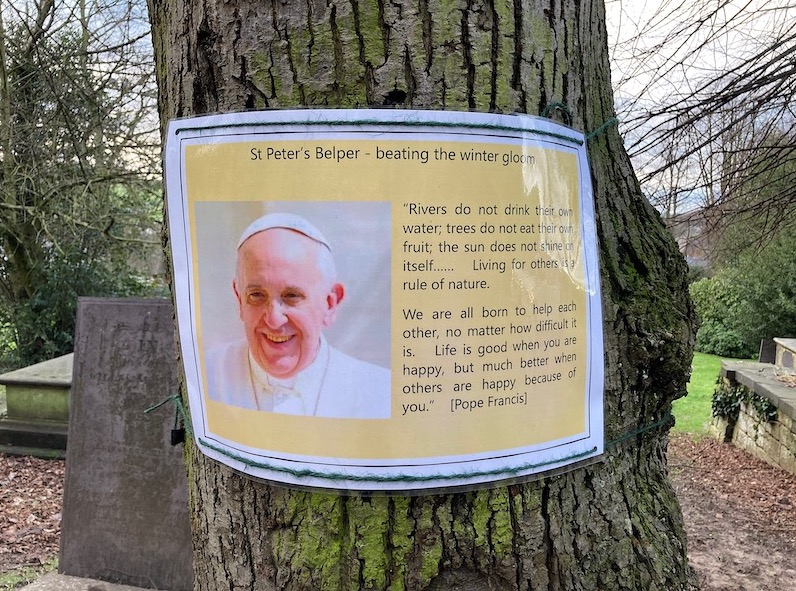
In the month of January 2021 the trees were decked out with jokes, useful information and inspirational quotes.

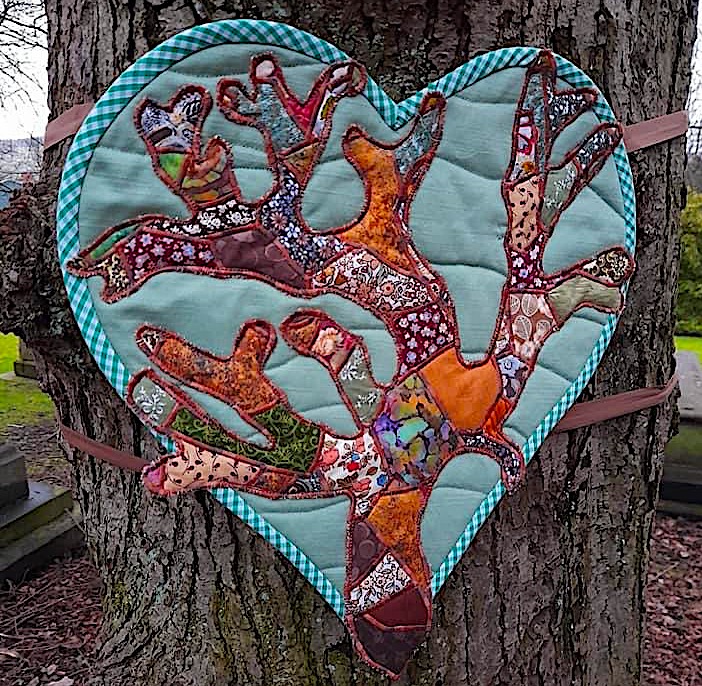
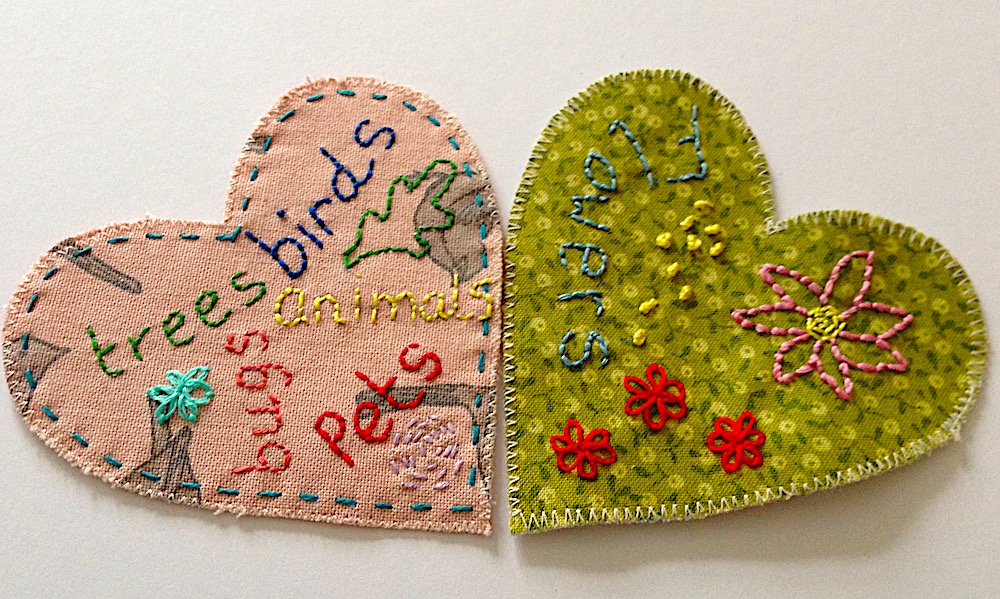
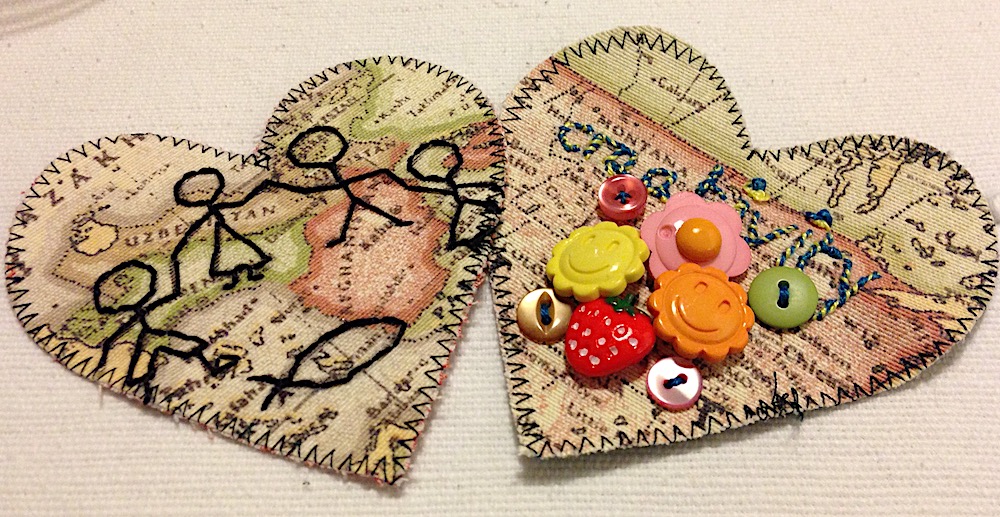
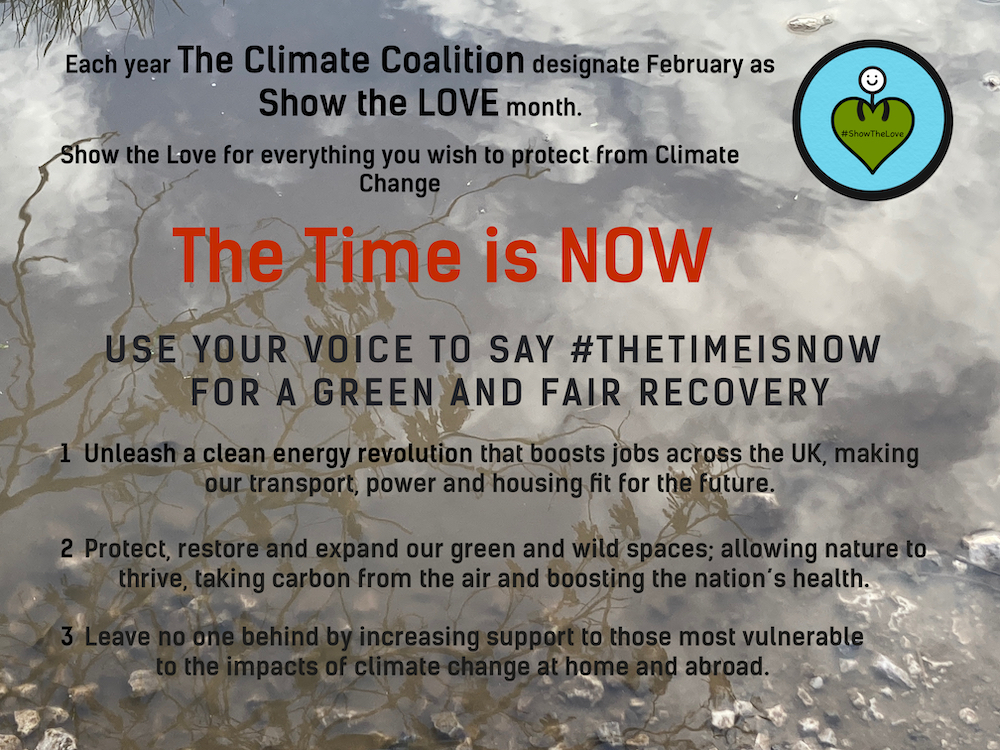
In February 2021 the trees were decorated by people from the Belper community with Green Hearts. This was as a response to the Climate Coalitions ‘Show the Love’ (#showthelove) campaign, which is about using our voices to celebrate all the things we don’t want to lose, as a result of climate change.

There were so many fantastic hearts made by people of all ages, I decided to make a film about it and even in this it has not been possible to show every heart.

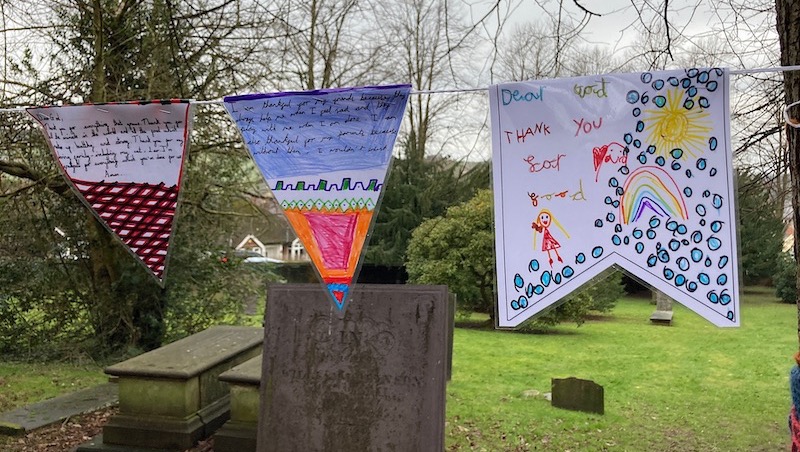
The season of Lent began on February 17th 2021 and prayer flags beautifully written by local school children were strung between some of the trees along the path.

There are plans ahead for an Easter display, and then from April 17th a POET-TREE trail organised as part of Belper Fringe by local poet Carol Brewer. More information can be found on the fringe website.

May 15th – 23rd, will see the trees dressed as part of 2021 Woollen Woods, as this year the woods come to town with trees decorated in both the Memorial Gardens, St Peter’s Churchyard, houses along Long Row and some shop windows.

St Peter’s church is happy to receive ideas from Belper people, please contact the church office for more information. office@stpetersparishbelper.org.uk

#showthelove 2021

This year it feels more important than ever to take climate change seriously. The UK should have hosted the UN Climate Change Conference last November which had to be cancelled because of Coronavirus. It is now hoped that the 2021 United Nations Climate Change Conference, (also known as COP26), will be held in Glasgow, Scotland, from 1 to 12 November 2021 under the presidency of the United Kingdom.

Logo designed for last years event by India Day.

In 2015 there was a very important meeting in Paris and an agreement was signed by 196 countries. It is often mentioned on the news as the Paris Agreement, its goal was to limit global warming to well below 2, preferably to 1.5 degrees Celsius, compared to pre-industrial levels. Even this level of warming will make significant changes to our world so it feels that it is really important to make changes ourselves but also to do what we can to persuade those in power to reconsider their actions.

A vigil was held in Belper in 2015 which also included some craft activism making hearts to wear. A report can be read at NAILED Belper’s Independent News. Anyone wishing to make their own heart this year can buy a kit with everything they need from the Craftivist Collective. A-Heart-For-Your-Sleeve-kit

During 2020 many people discovered how important the natural world was to their mental health. I have written a previous blog about how it interesting it was in the first lockdown, to almost be forced to walk the same fields each week and see the progression of flowers, insects and fruits in the fields and hedgerows. We do need to take action to protect the natural world. https://www.anneclarkhandmade.co.uk/wildflowers-during-lockdown/

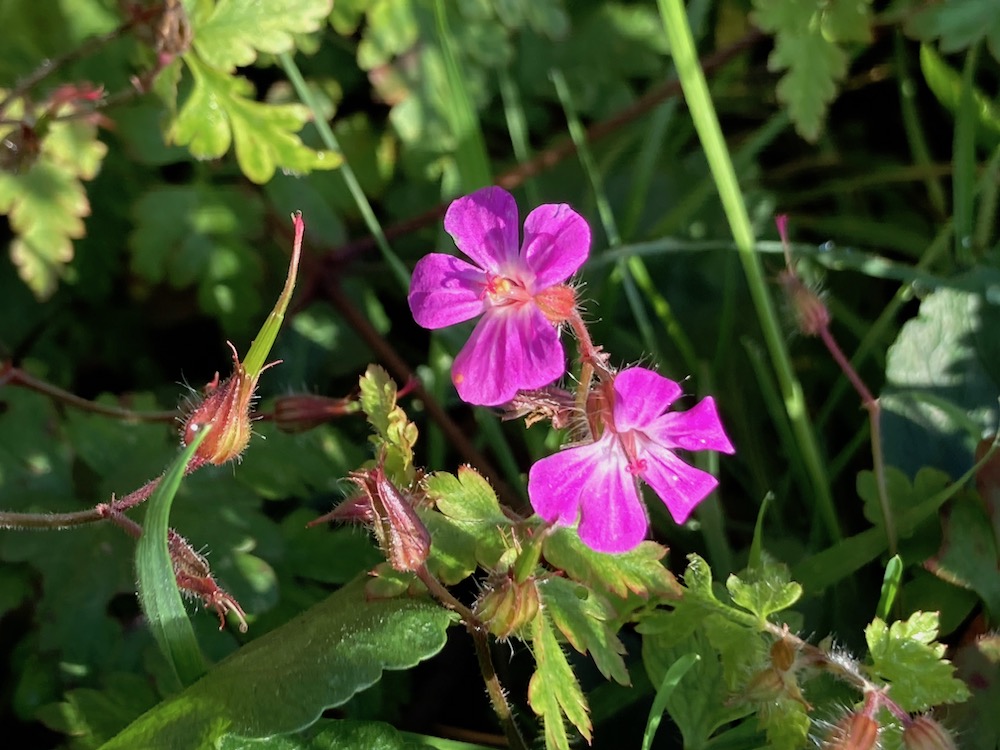
Herb Robert, a beautiful tiny wildflower found nearly everywhere.

The Climate Coalition, the UK’s largest group of people dedicated to taking action on climate change, ask that green hearts are made in February each year . This is what they say, ‘Green hearts are powerful, When you make and share your green heart, you help send a powerful message to decision-makers: that people from every corner of the UK want to see urgent action to protect the people, places and life we love from the worst impacts of climate change.’

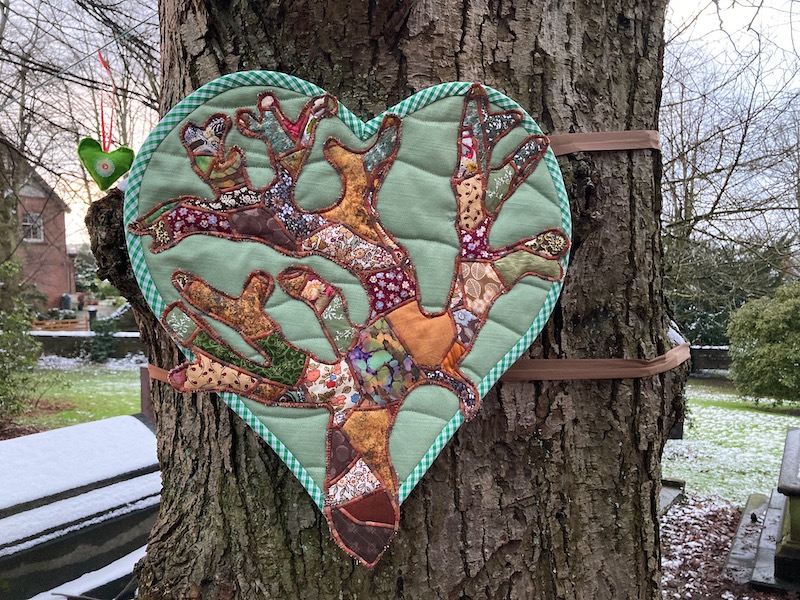
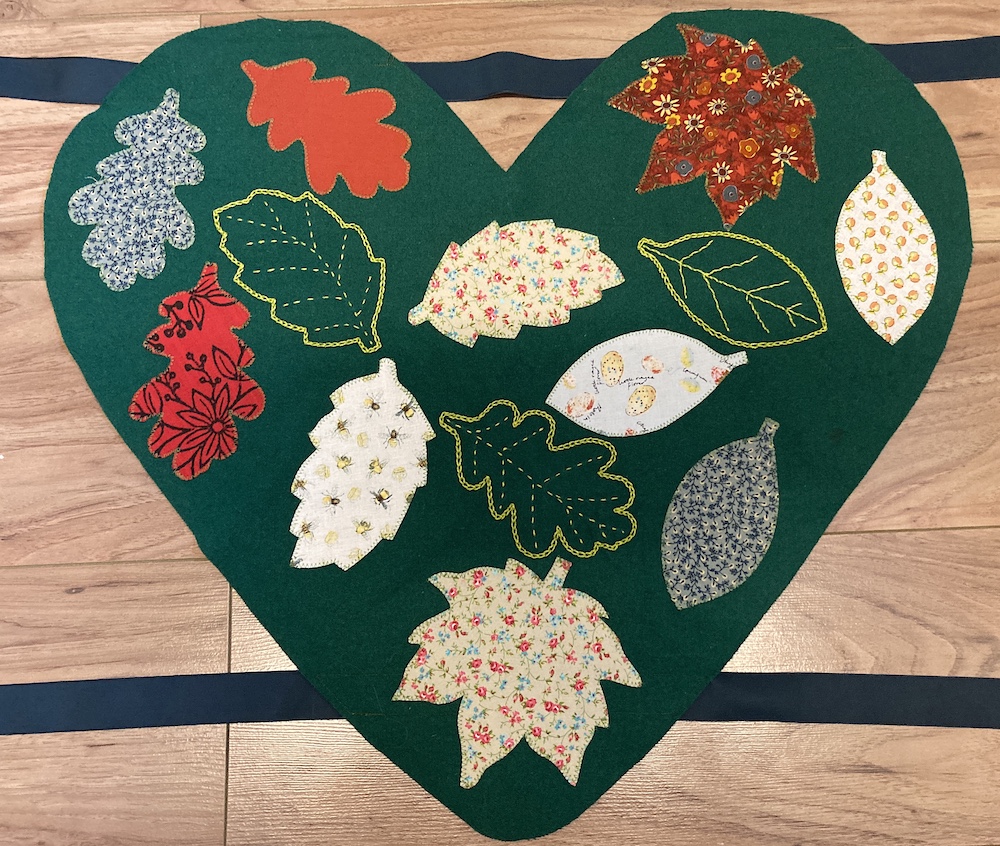
Large Green Heart made to tie around a tree.

Last year we had a Show the Love event inside St Peter’s Church Belper, https://www.anneclarkhandmade.co.uk/showthelove/

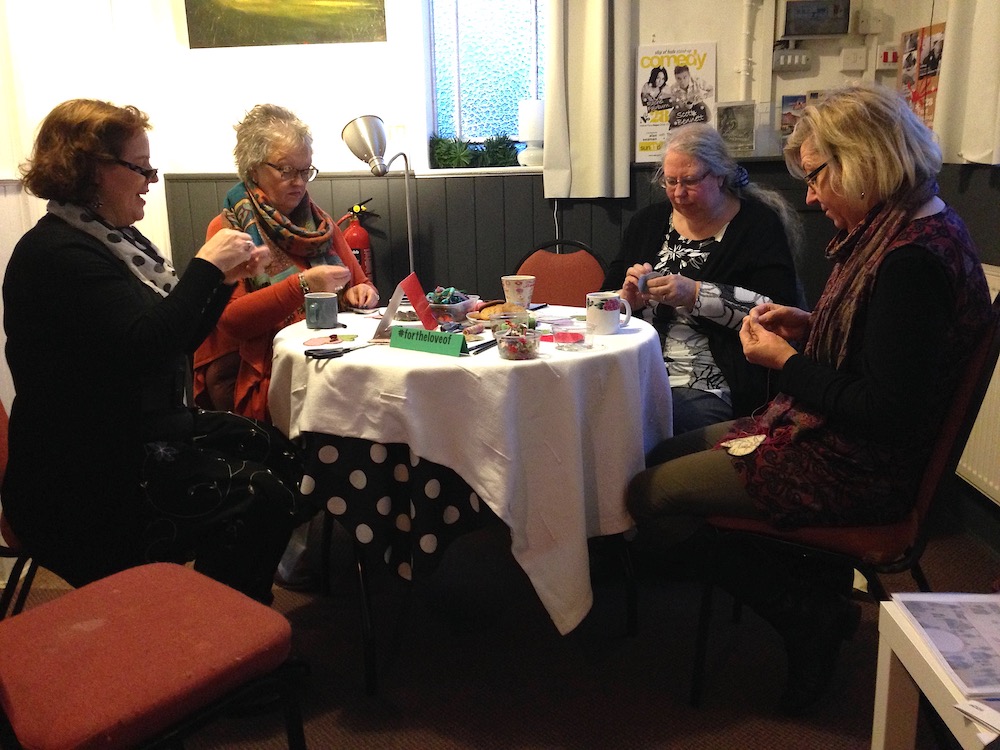
This year the plan is to tie green hearts around the trees in the churchyard. When you make and display your green heart, you show others in your community that you care about climate change and are hopeful that we can protect what we love from its impacts by taking urgent action. Obviously because of the latest lockdown we cannot meet in groups to make these but we can still take action. As the Climate Coalition say, THE TIME IS NOW.

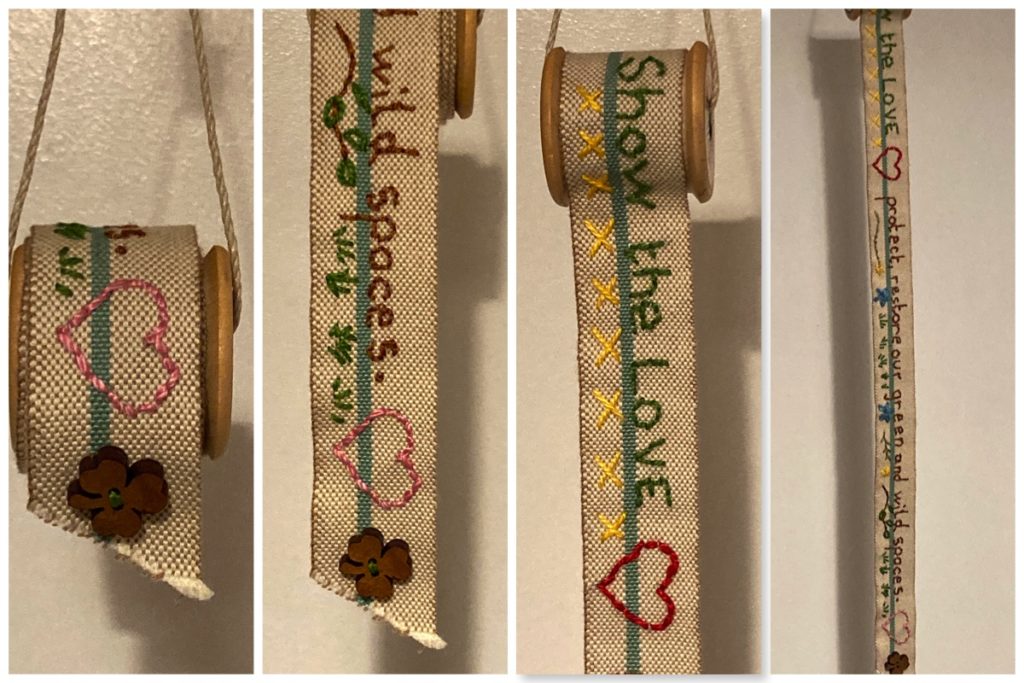
I have recently used an old cotton reel to make my own small banner.

Darley Abbey Hydrangeas

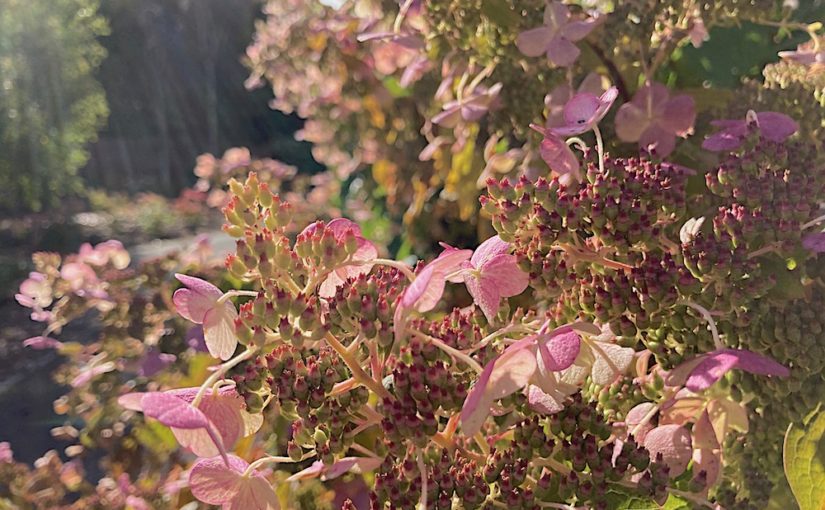
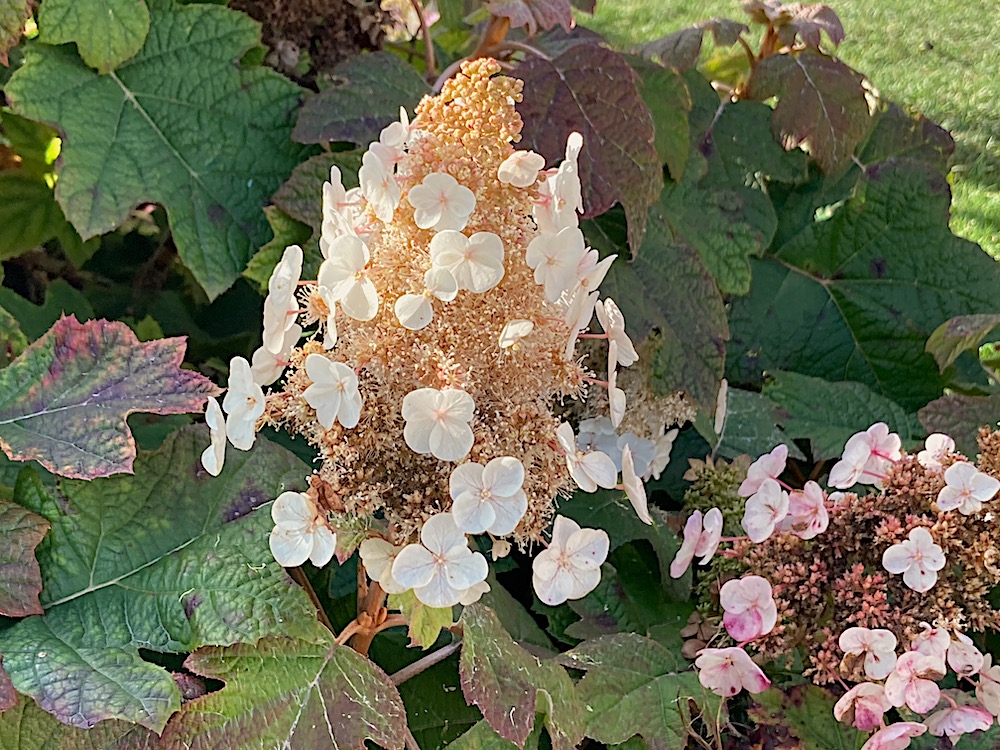
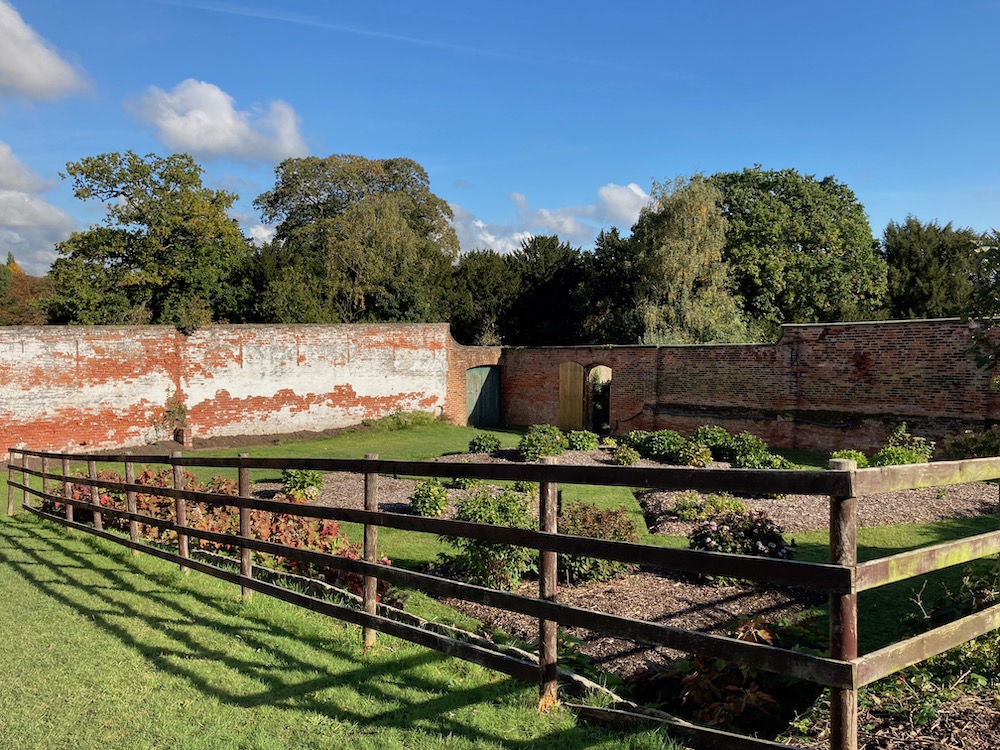
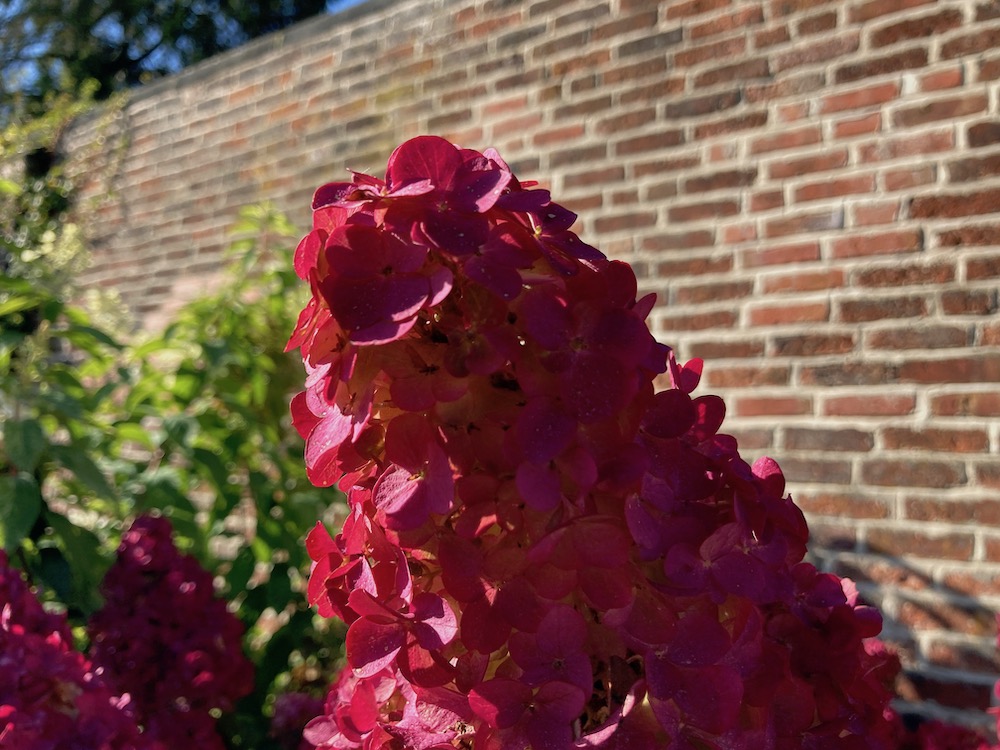
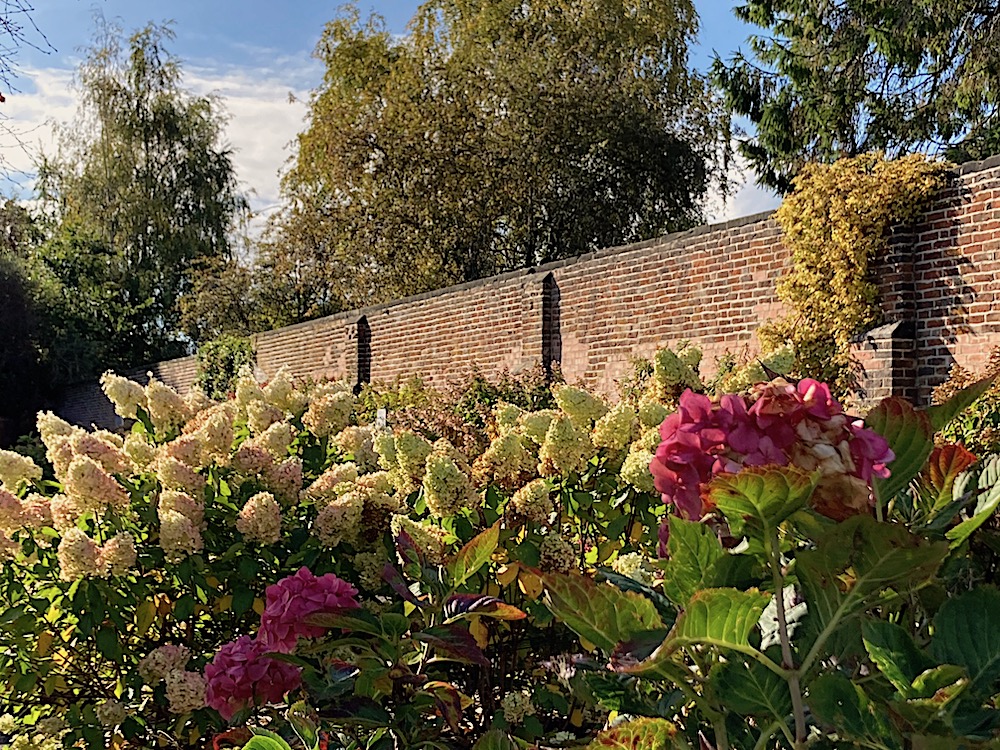
Yesterday we had a lovely walk in Darley Park. The sun was shining and the trees were changing colour. We took the opportunity to visit the walled Hydrangea Garden before it shuts to the public on November 3rd. The garden is looked after by a team of volunteers and it was obvious that since our last visit in 2019 a huge amount of work had been done. The garden houses the National Collection of Hydrangea Paniculata.

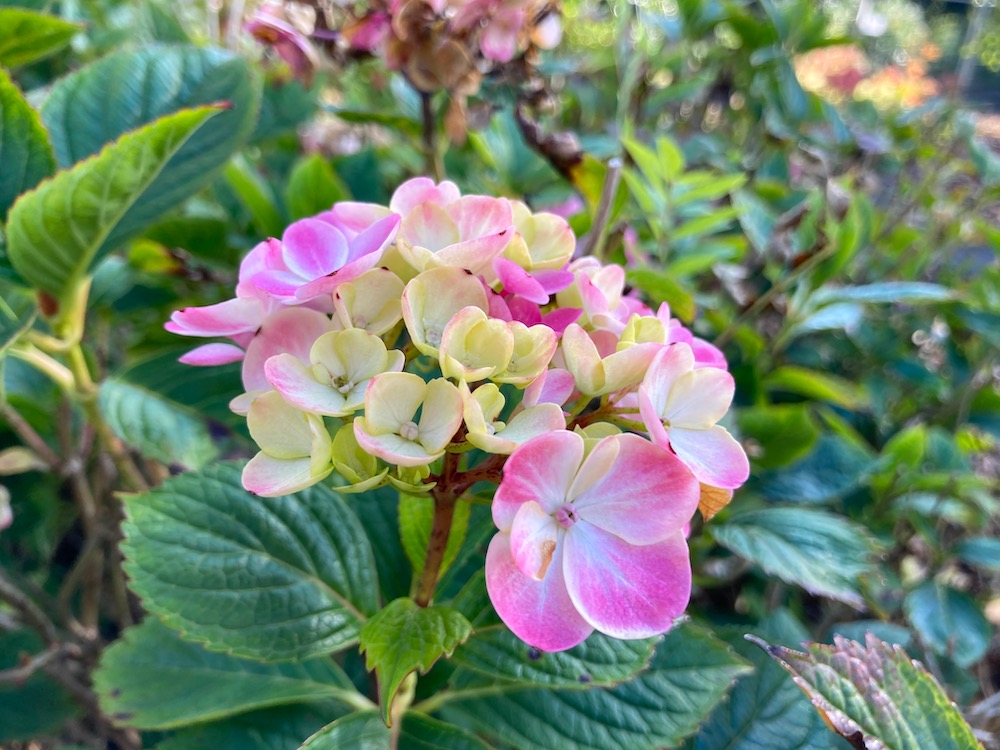
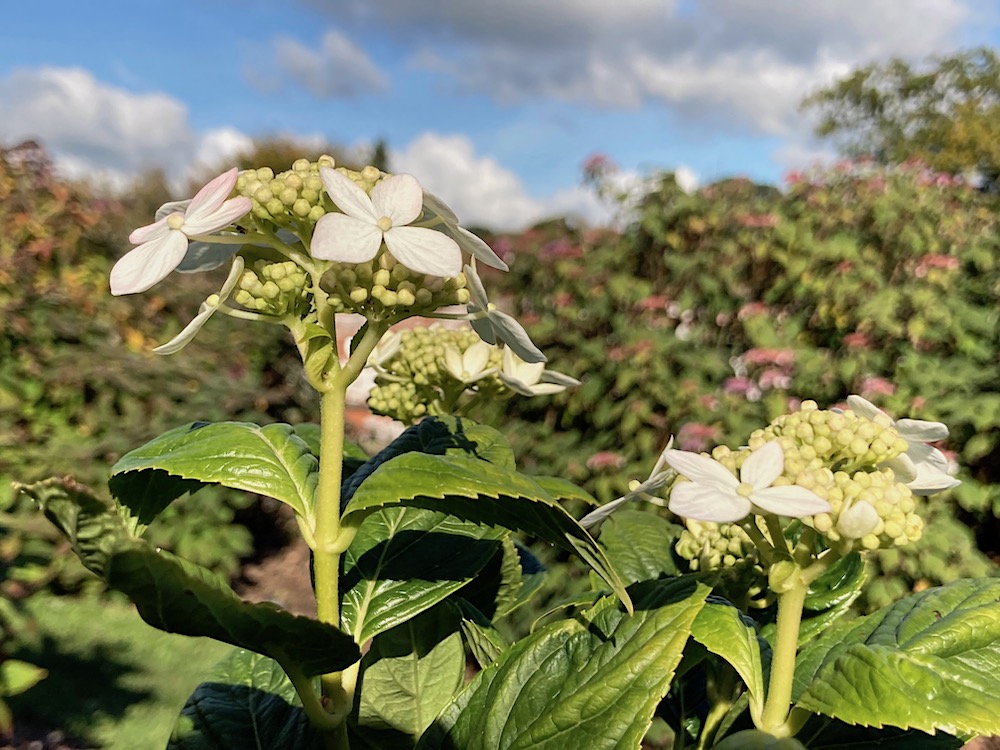
Hydrangea Derby, (the name of the voluntary group) was set up in 2010 to look after the Hydrangea Garden and in the last 10 years they have become the National Collection, the only such collection in the world. They also have a wide variety of other hydrangea species. The garden now holds 890 different cultivars.

Nature during Lockdown

Lockdown because of the Coronavirus started in the UK in the middle of March 2020. This has been a very strange time for all of us and has affected people in so many different ways. At the start we were asked by the government to basically stay at home, if that was possible and only leave the house for one hour a day for some outside exercise. Obviously the possibility of this varied because of our different circumstances. I have been very lucky to have time to learn new skills, more time to garden and observe wildlife. I realise that for many life became more stressful and do hope that the natural world has helped them cope.

Some of the immediate effects were better air quality, less noise and those who went outside started to notice the wildlife and wild plants near to their homes. As someone who has always loved the natural world it has been most interesting to continuously walk the same fields and really notice the progression of flowering plants in the fields and hedgerows. I have written about this in a previous blog Wildflowers during Lockdown. I am more aware of all the small creatures we share the world with and now watch continuously for a slight movement that means I am not alone.

Wildflowers during Lockdown

I have always enjoyed walking in the countryside and over the years have tried to recognise and learn the names of wildflowers. I have four wildflower books at home but even these do not show every flower as there are so many different ones in our lanes and fields. In more recent years there have been concerns about the demise of our native plants and the loss of wildflower meadows. It is thought that we have lost 97% of wildflower meadows since the 1930s. There is a lot of debate over the picking of flowers but it is important that children learn to love them and this could mean picking a few. This is what Plantlife has to say,

‘Contrary to widespread belief, it is not illegal to pick most wildflowers for personal, non-commercial use. In a similar vein, it’s not illegal to forage most leaves and berries for food in the countryside for non-commercial use.’

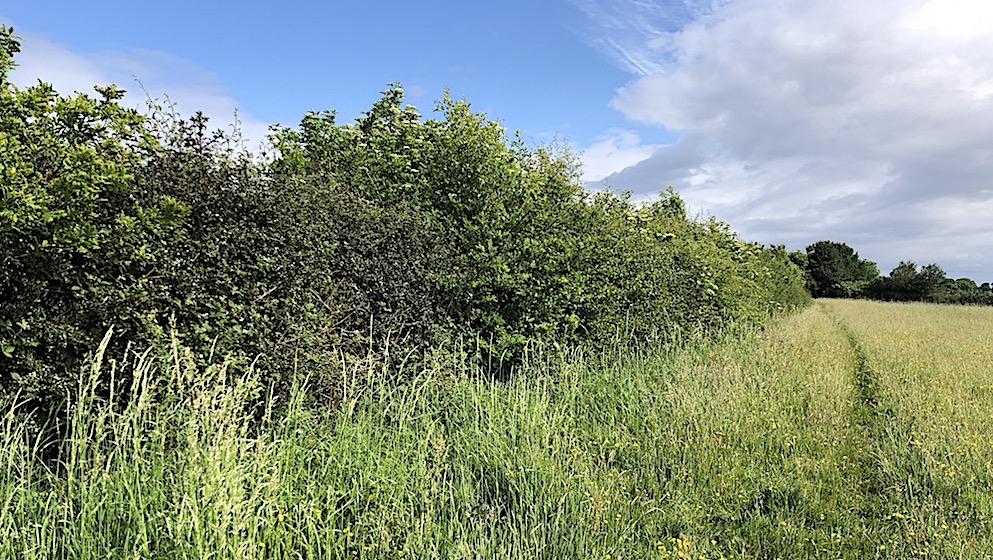
Path around the field.

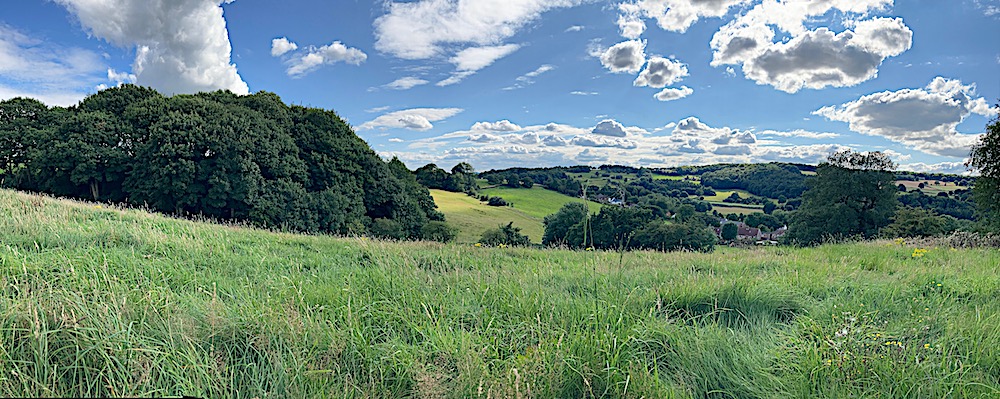
During this period of Lockdown in 2020 we have been allowed to go out each day for exercise but asked to keep within walking distance of home. This has been quite an eye opener to discover all the flowers growing in the fields near Belper. I have been walking virtually the same route each day and have really noticed the succession of our beautiful, colourful flowers.

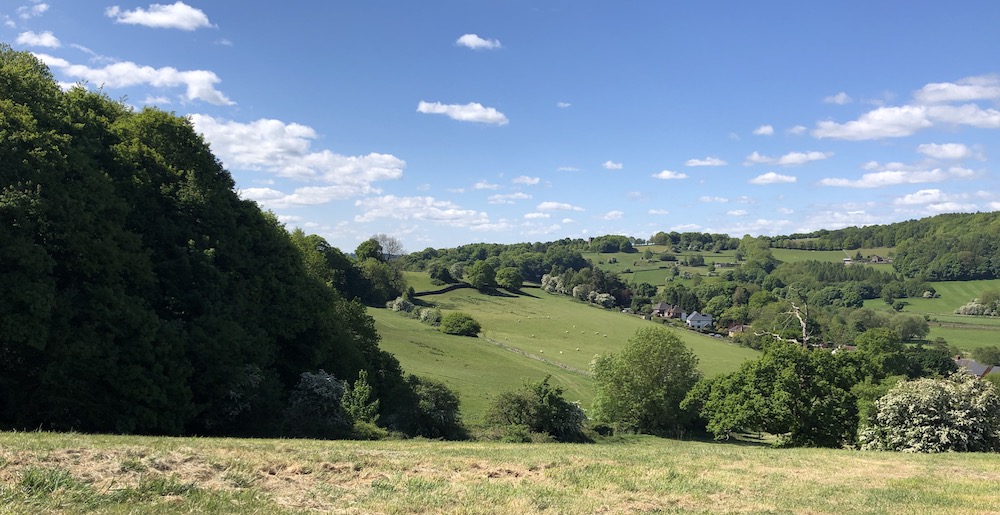
Looking across the fields towards the A6

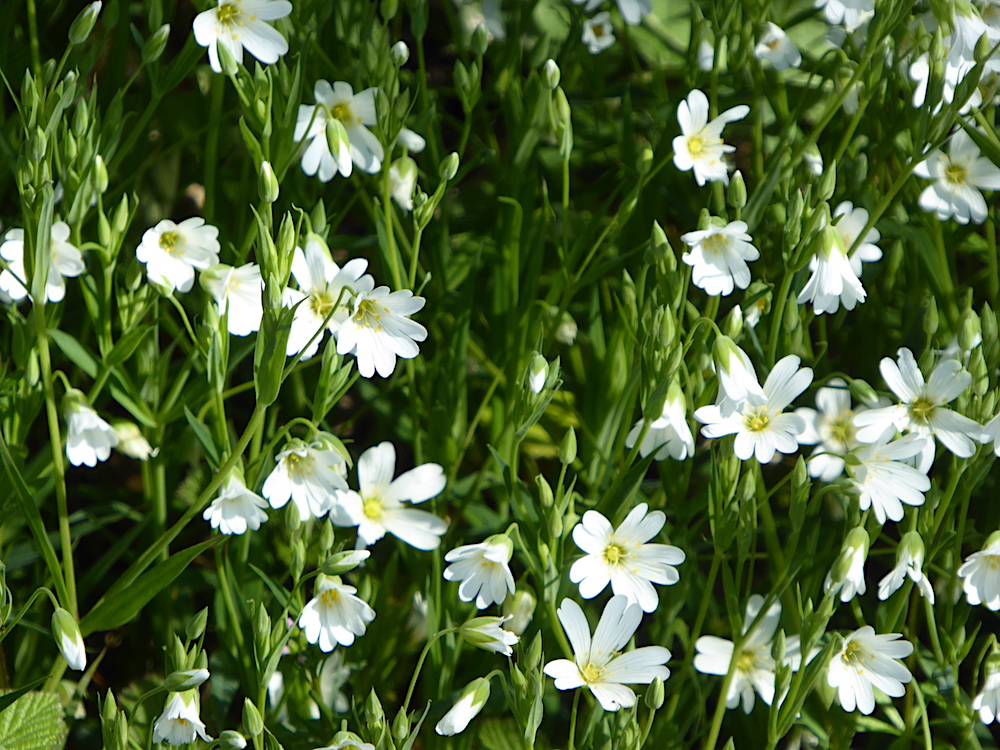
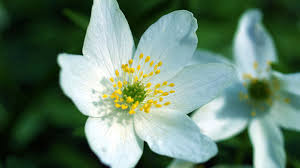
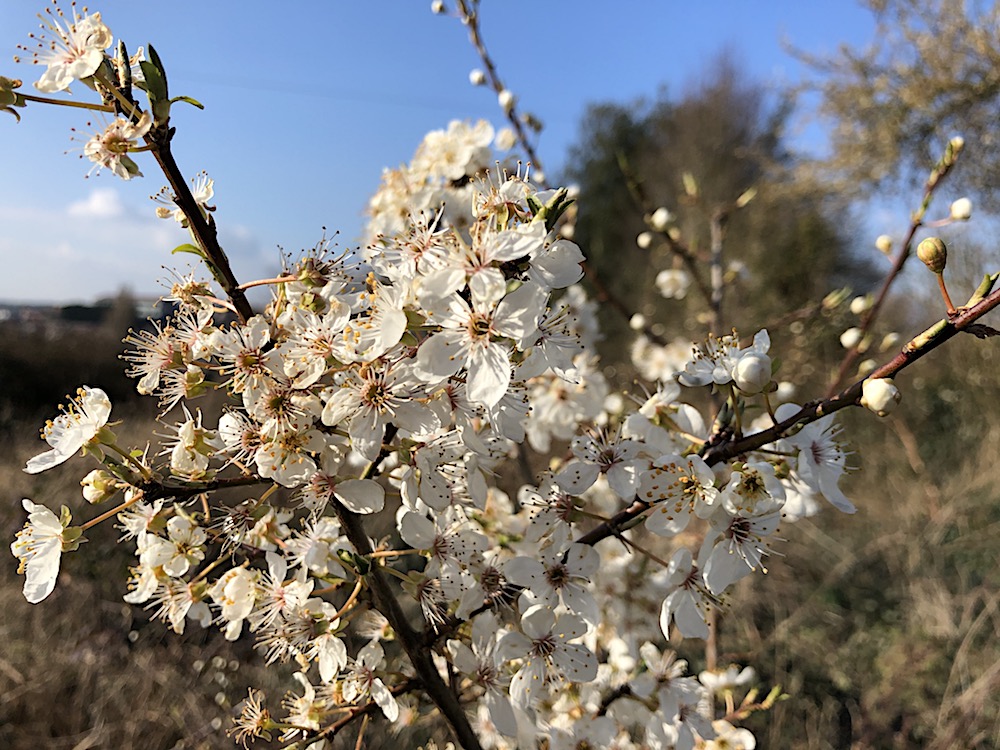
Lockdown started on March 23rd and during this month I noticed Wood Anemones and Mouse-ears both small white flowers. Wood anemones grow in shady places and droop their heads at evening time or during bad weather. It used to be said that fairies slept in the flowers closing the petals around themselves. Mouse-ears seem to like a bit more sun and are considered to be a weed but I wouldn’t mind some in my garden. In the hedgerows blackthorn flowers open before the bush grows its leaves .

Blackthorn flowers before the leaves come out.

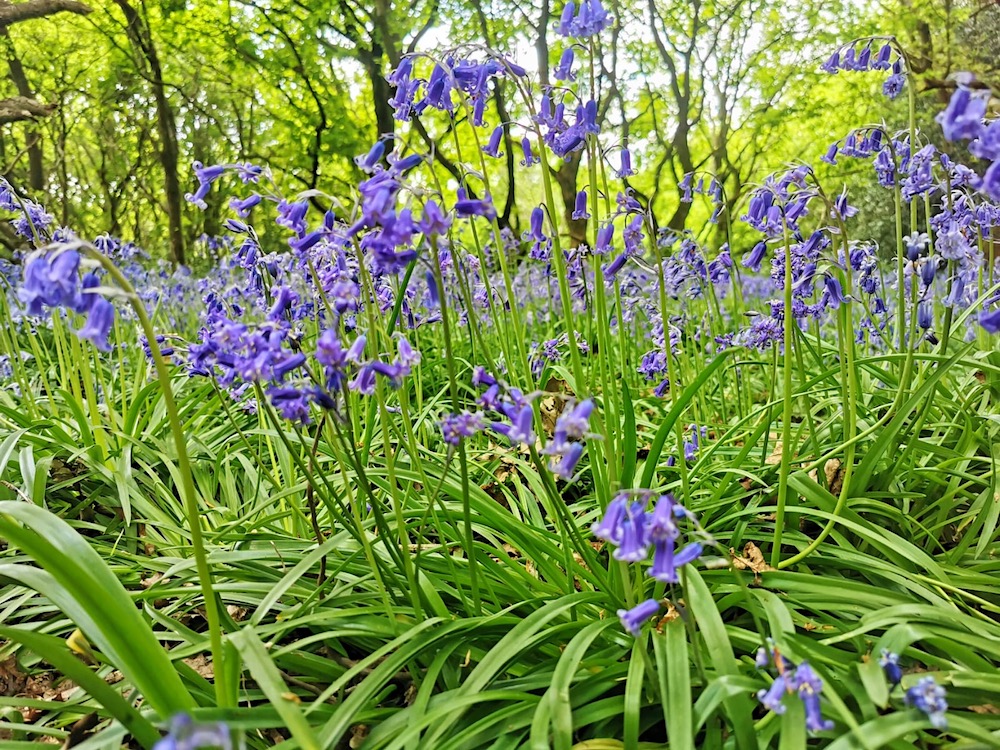
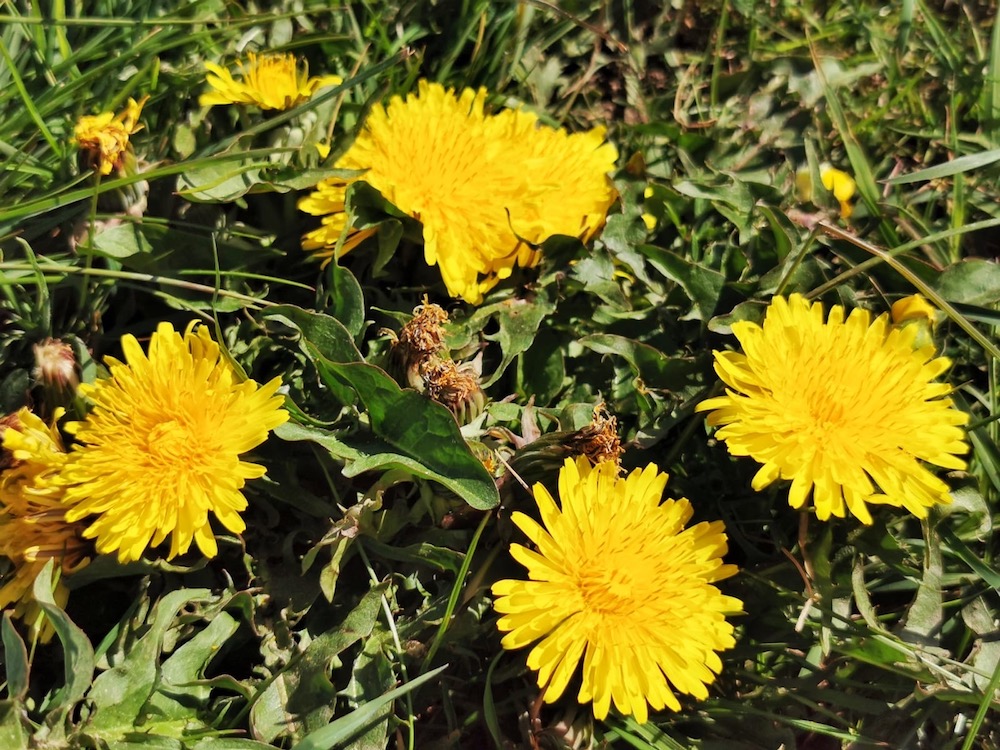
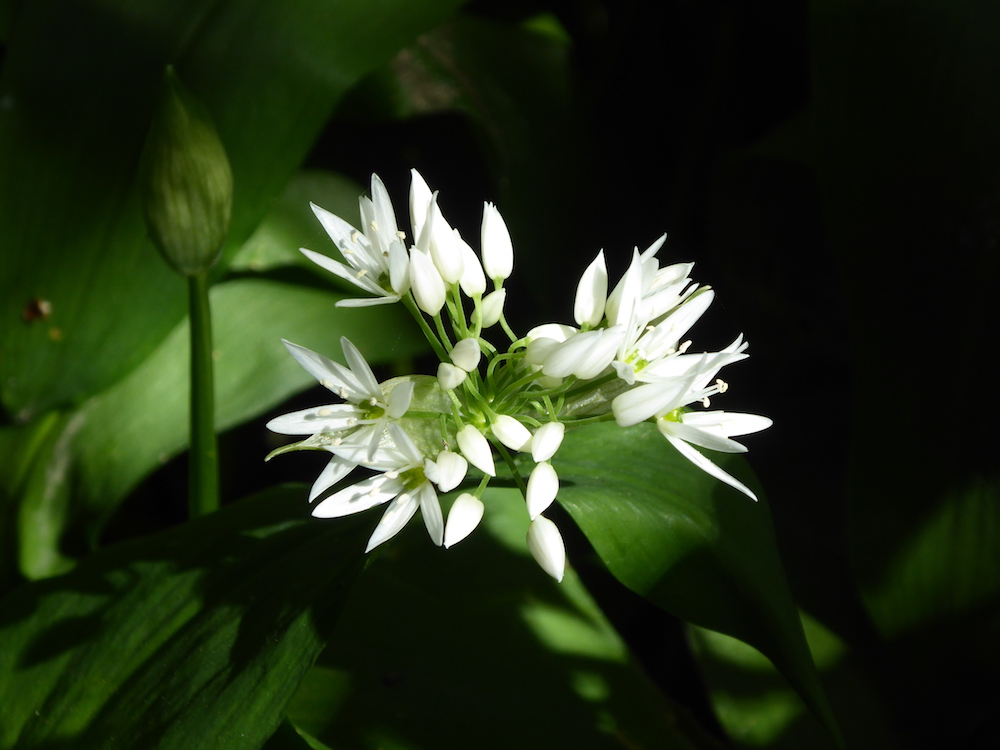
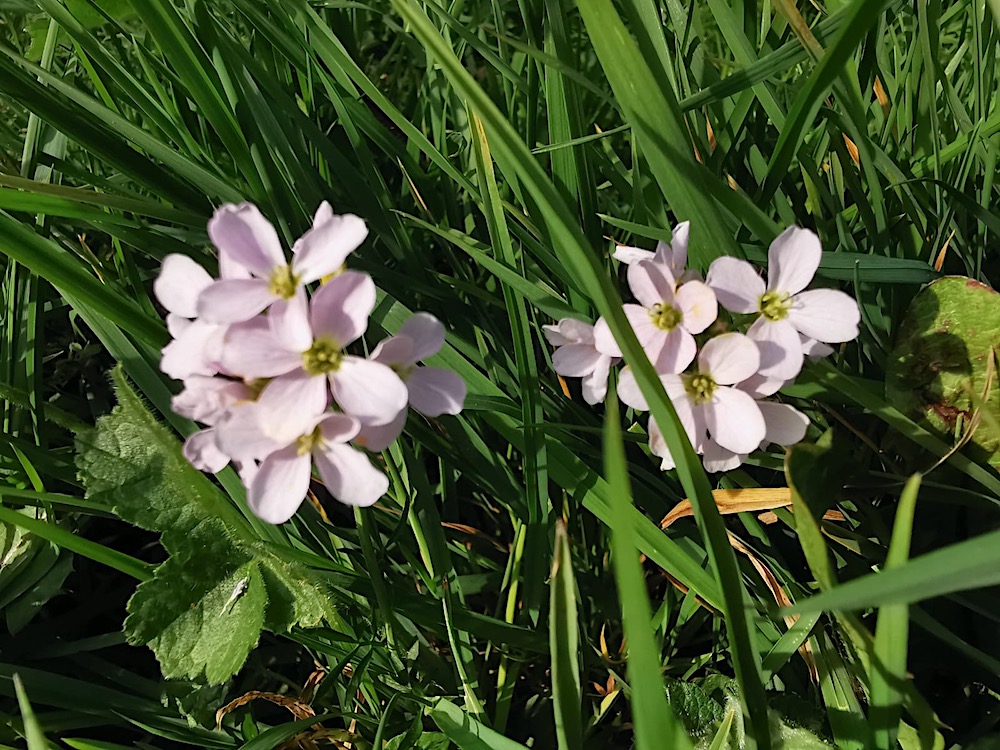
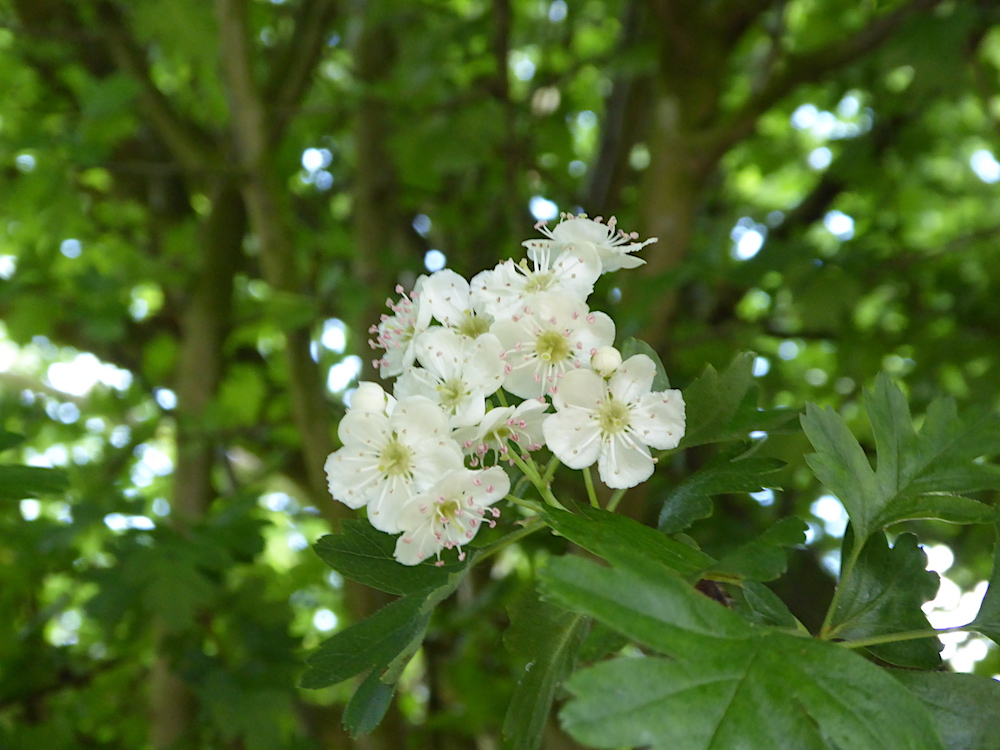
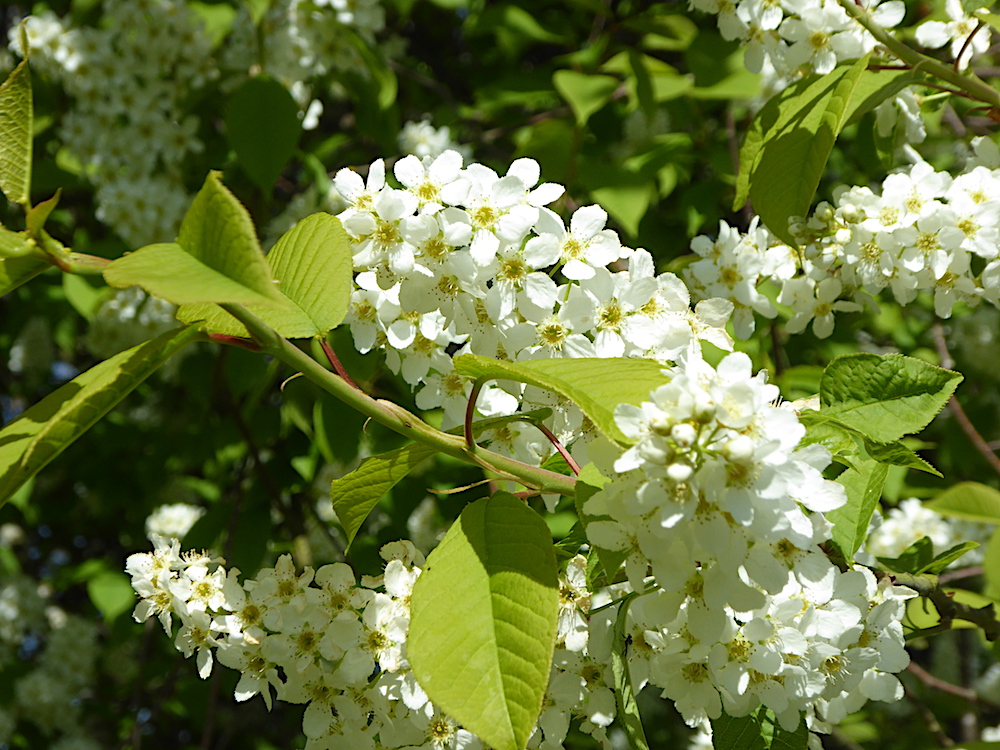
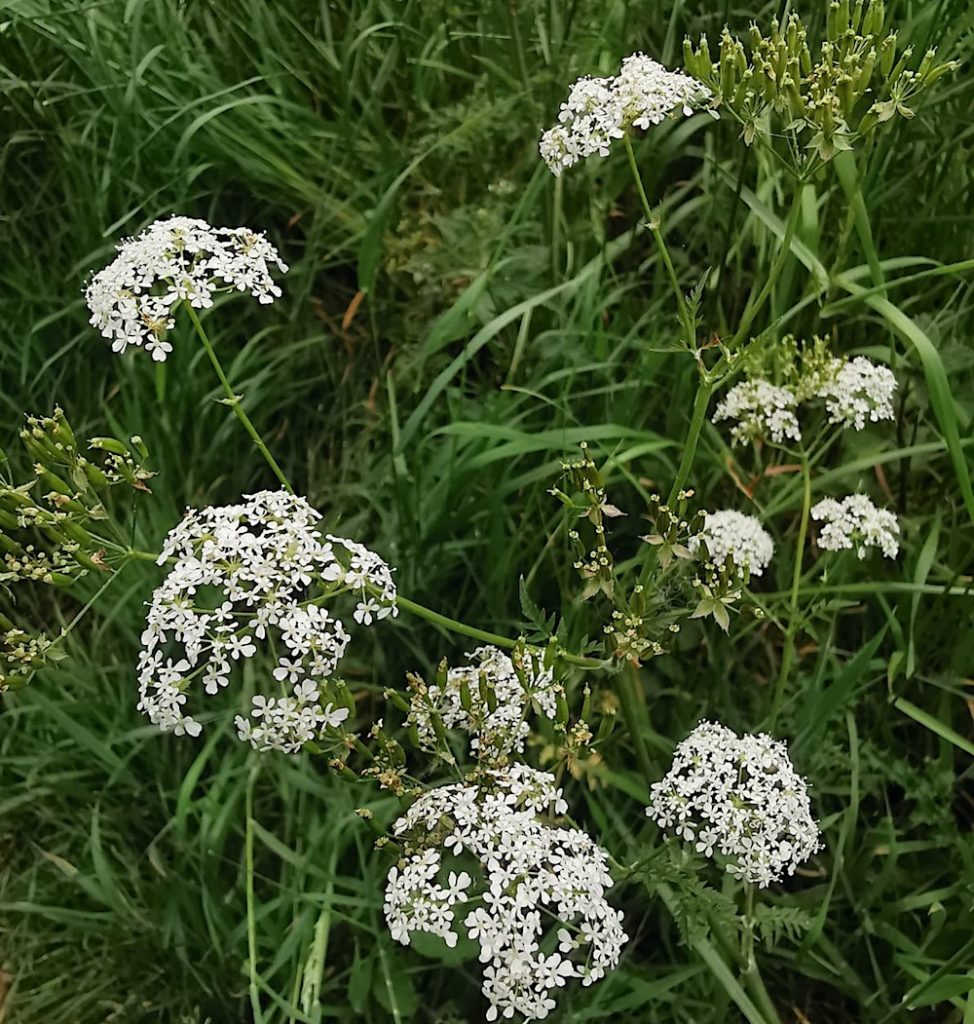
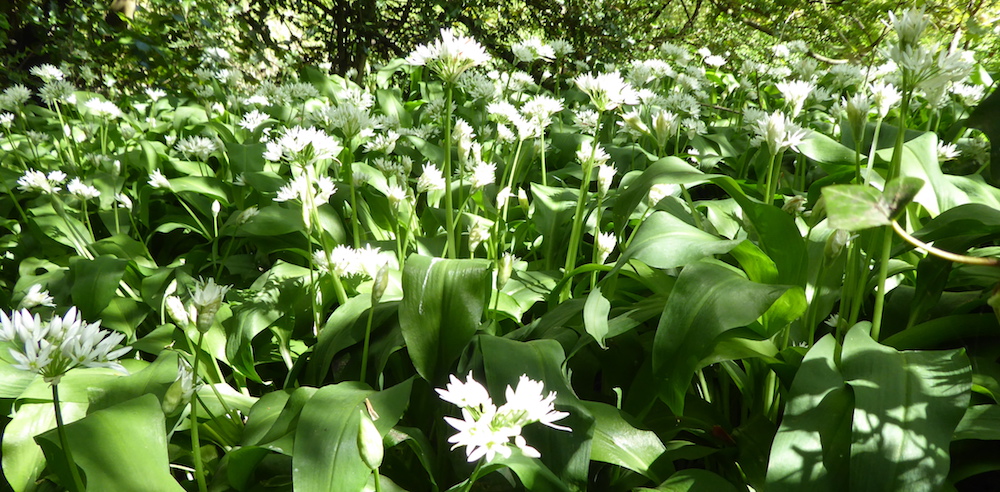
April is the month when Bluebells and Wild Garlic appear and this year the bluebells seemed to be early, probably because of the warm weather. The fields are bright with the yellow flowers of dandelions and bluebells flower around the field edges and in the hedgerows. Hawthorne flowers open in the hedges and the edge of woods look glorious with Wild Cherry blossom. Cow Parsley starts to wave in the field margins and cuckoo flowers appeared wherever the grass was allowed to grow. It was good to have the time to really observe these flowers as so much of my usual rushing around had to stop. 

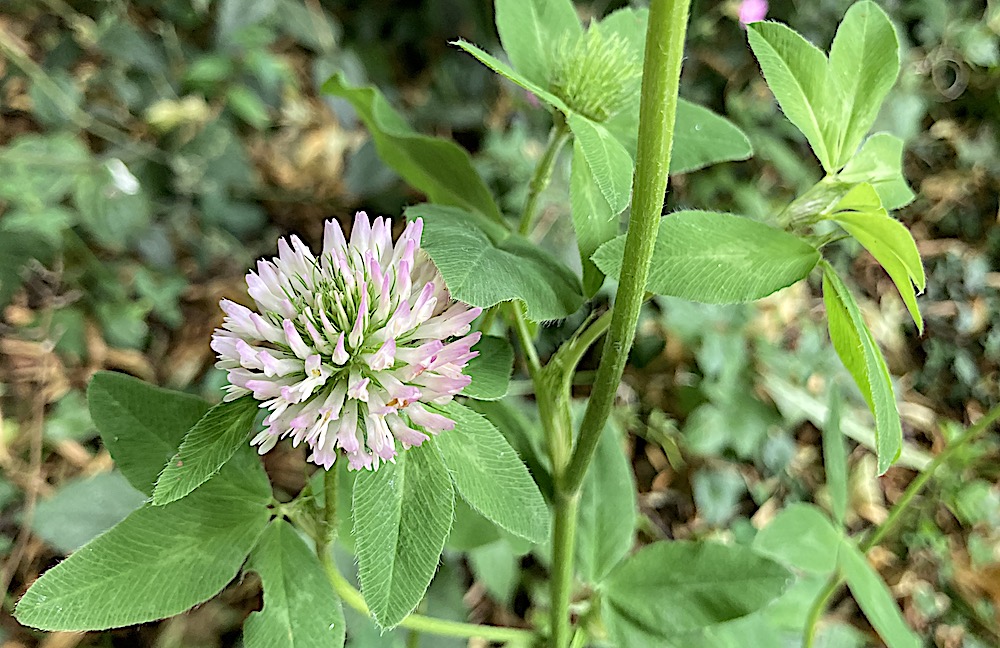
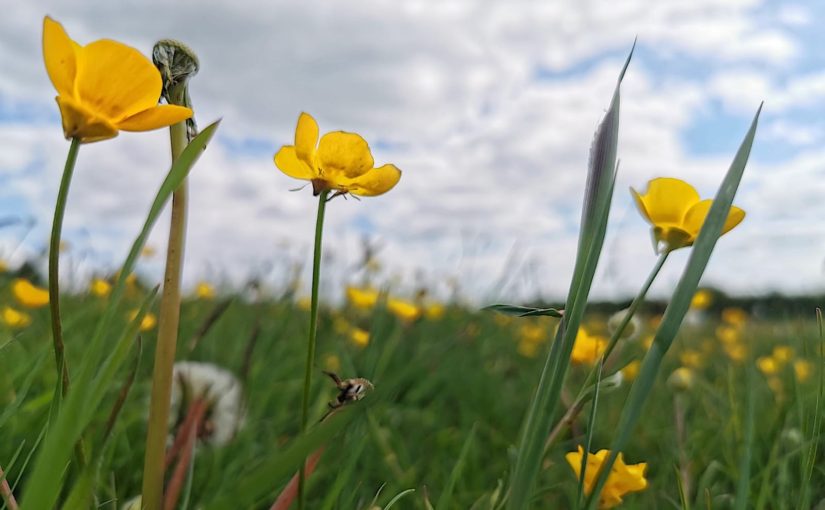
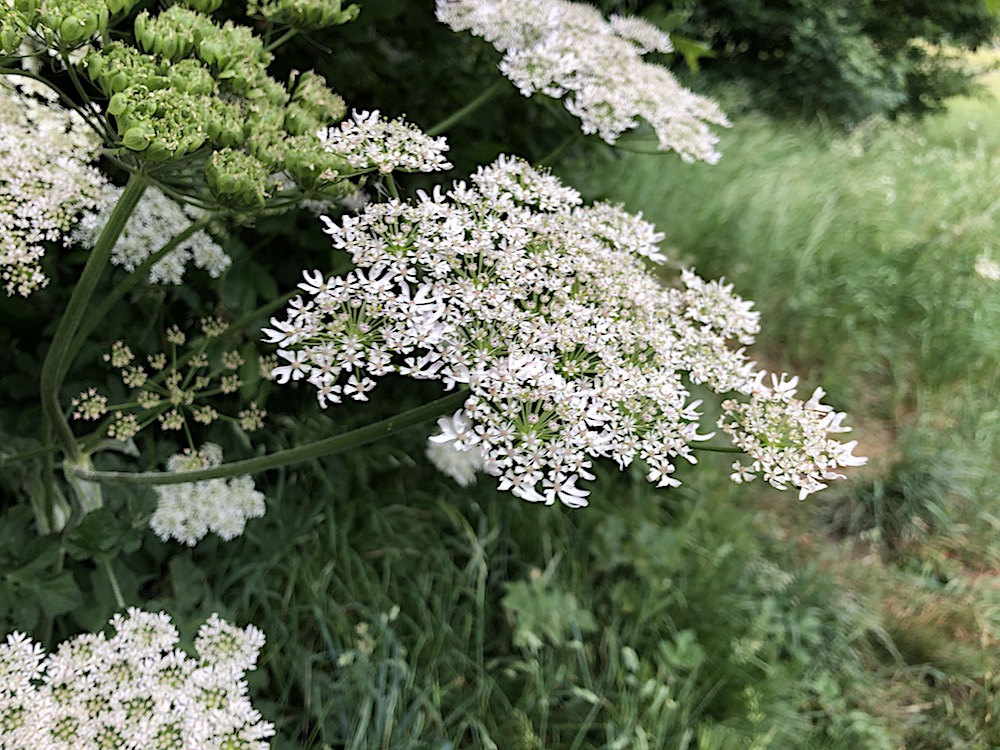
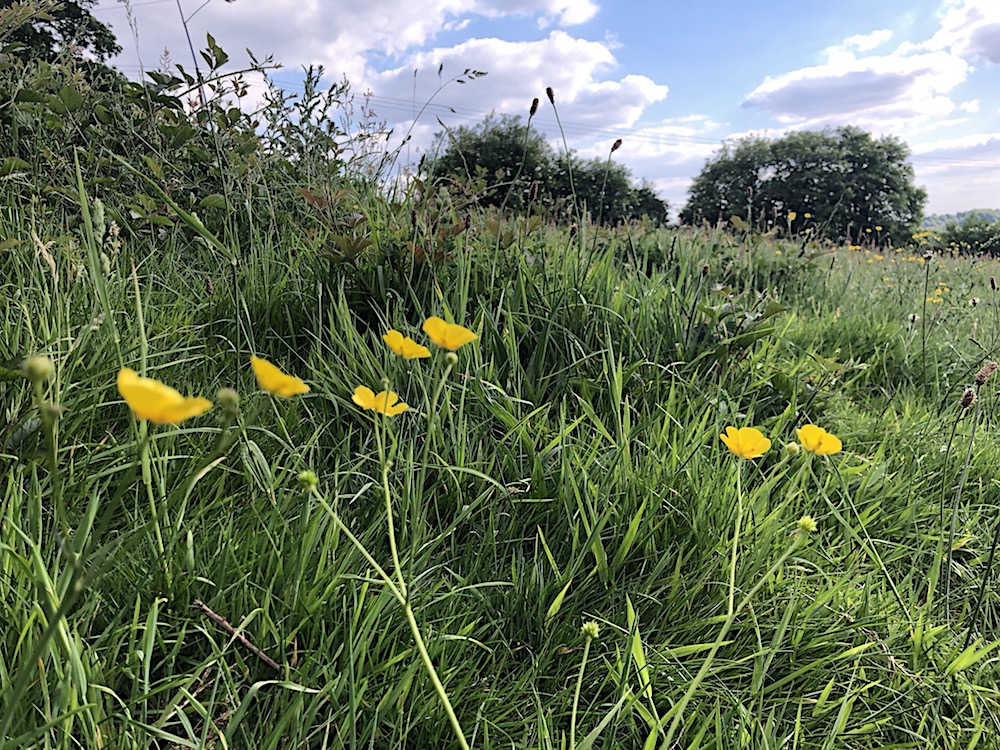
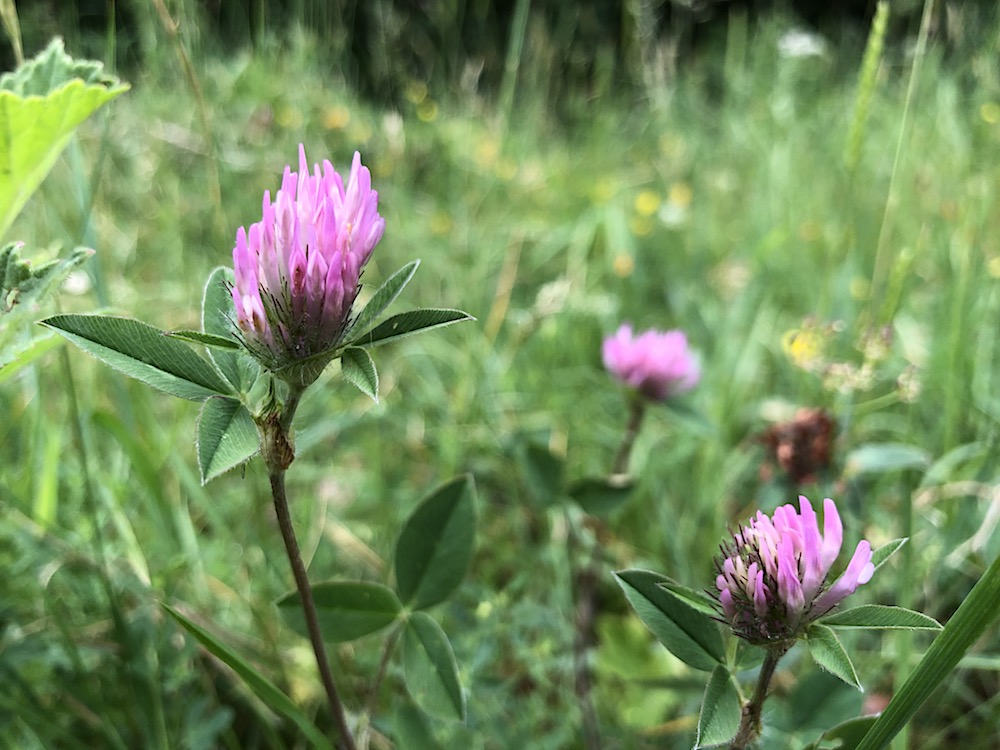
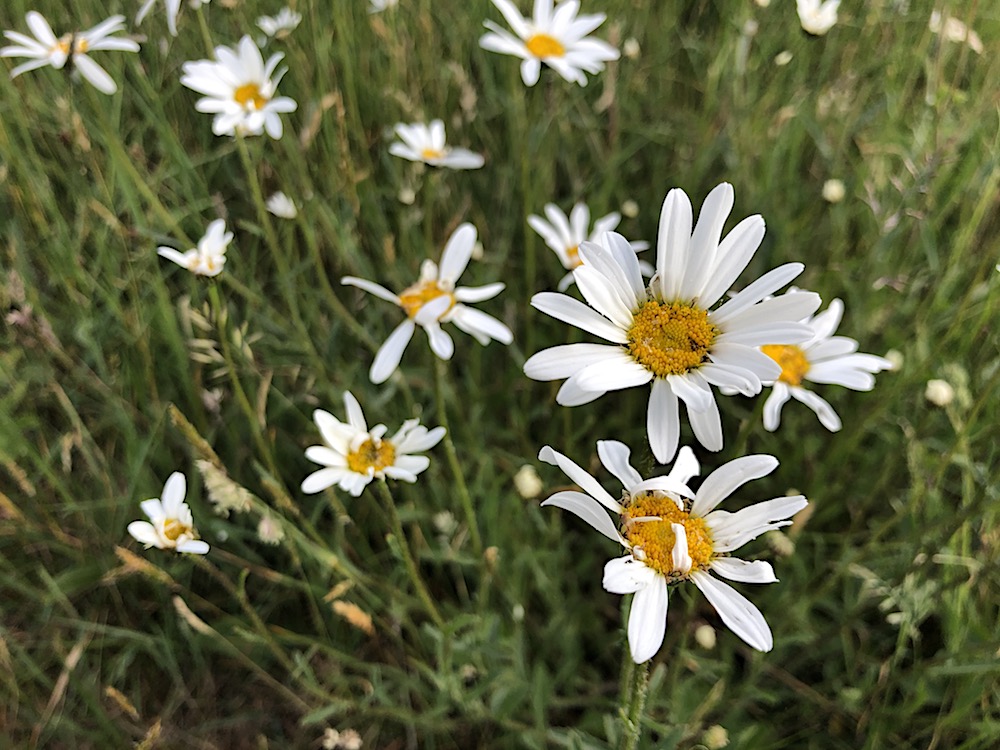
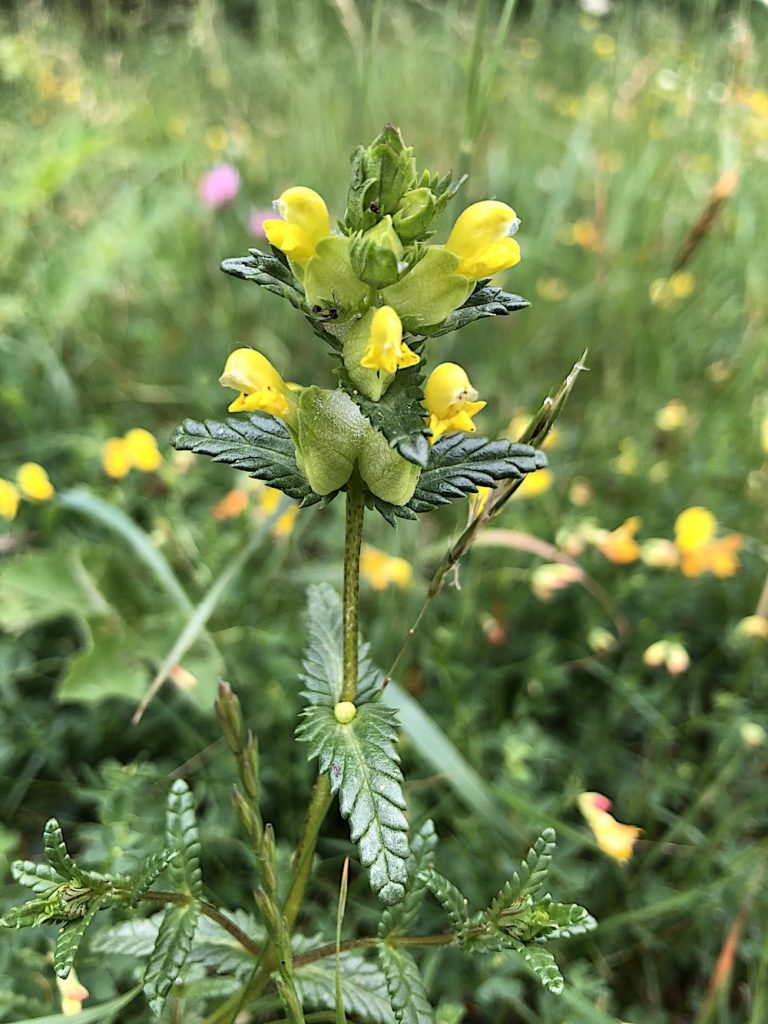
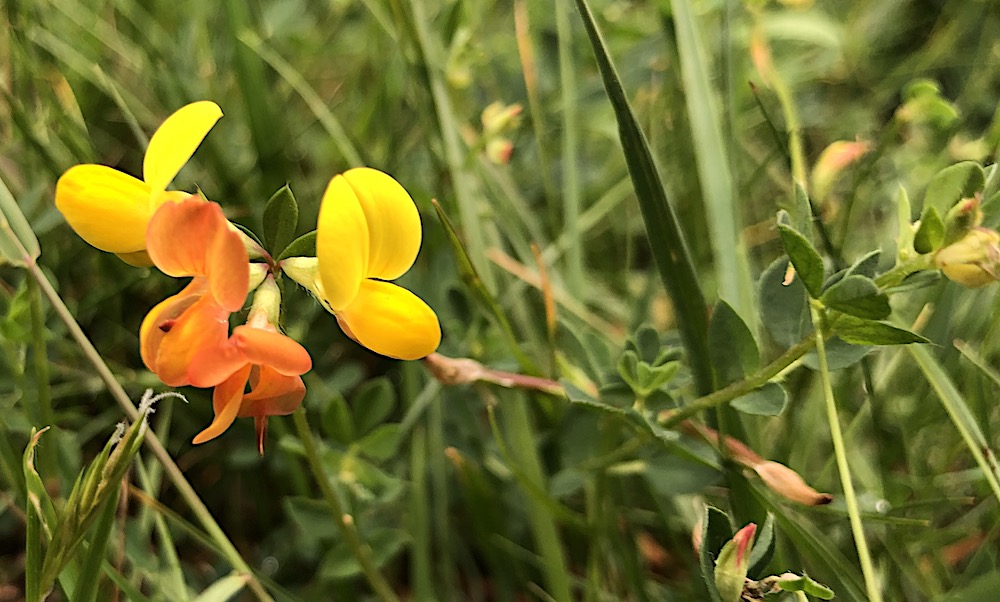
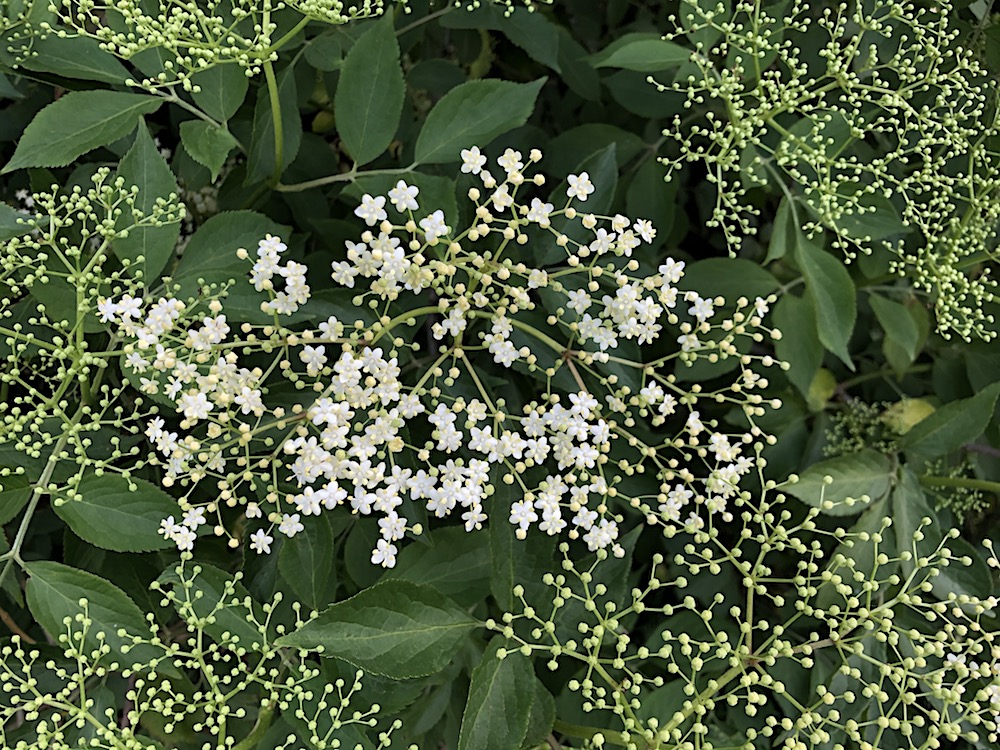
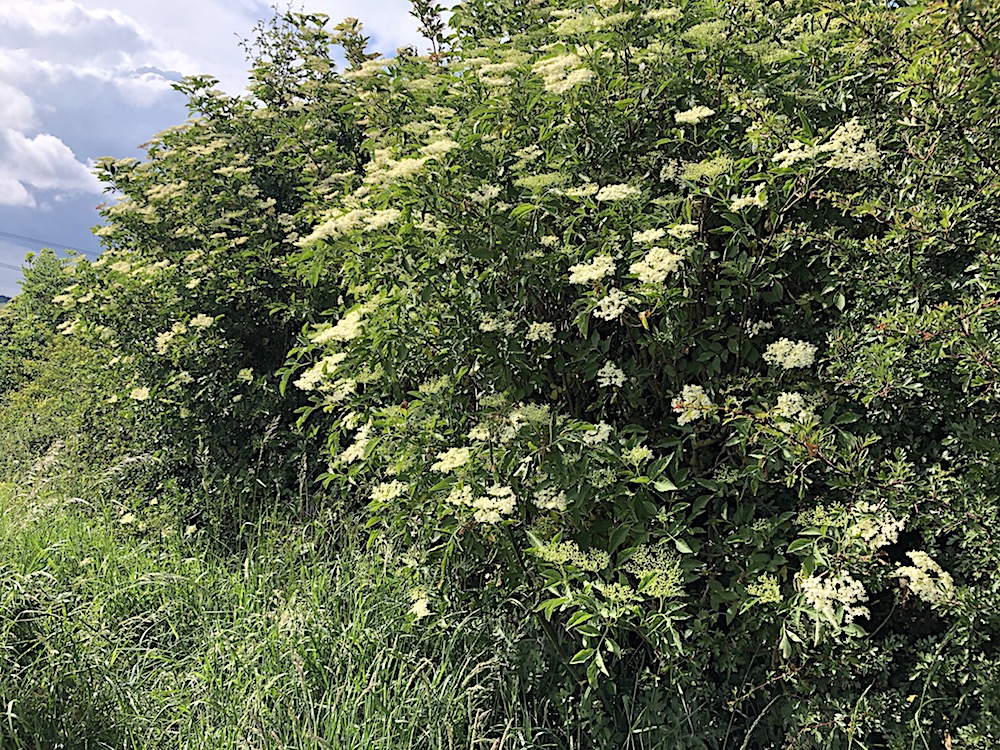
In May Dandelions gave way to Buttercups, just leaving their whiteish seed heads behind. Cow Parsley continued to open closely followed at the end of the month by the much sturdier Common Hogweed (not to be confused with Giant Hogweed). Also towards the end of the month I noticed large areas of one field turning white with the opening of Oxeye Daisies. Hawthorne flowers faded and the Elderflowers came into bud ready to open towards the end of the month. On the edge of one of the fields was a large patch of Yellow Rattle the first time I have seen this in the countryside. The rest of this field was covered in the yellow and oranges of Bird’s-foot trefoil and the lovely cerise pink of clover.

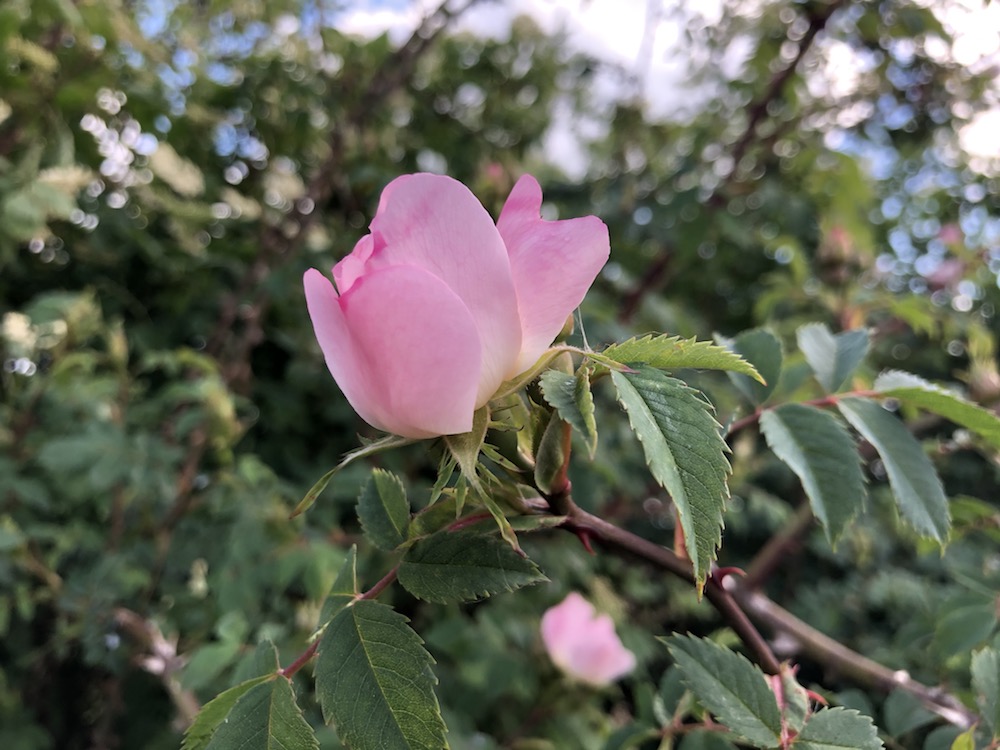
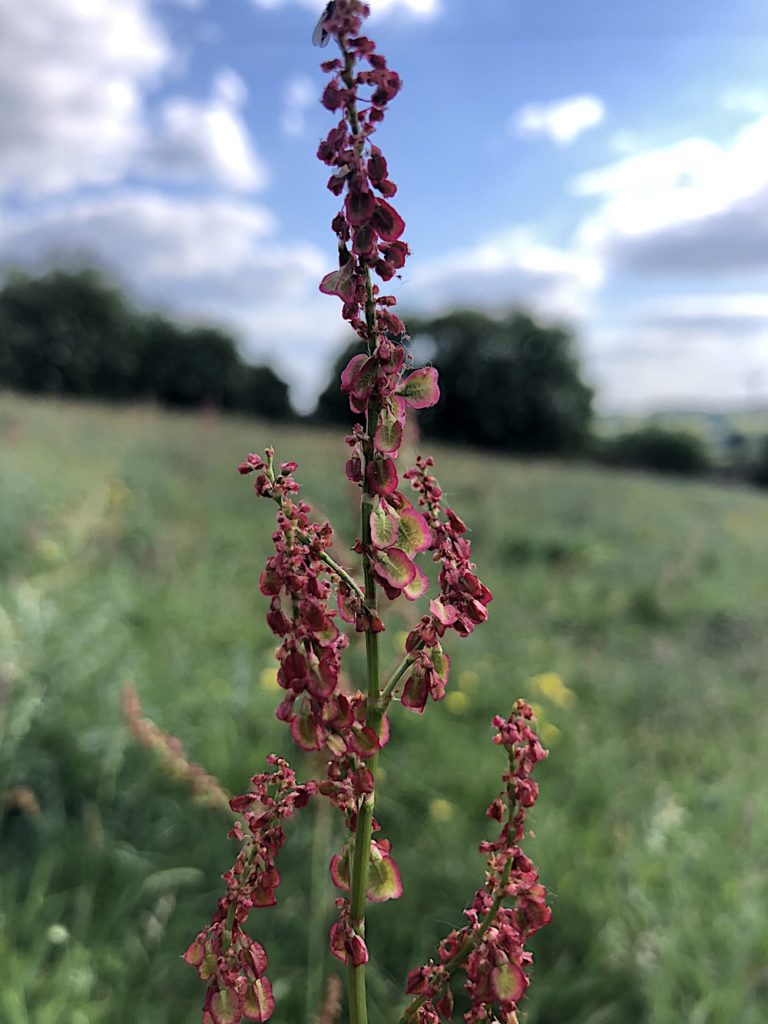
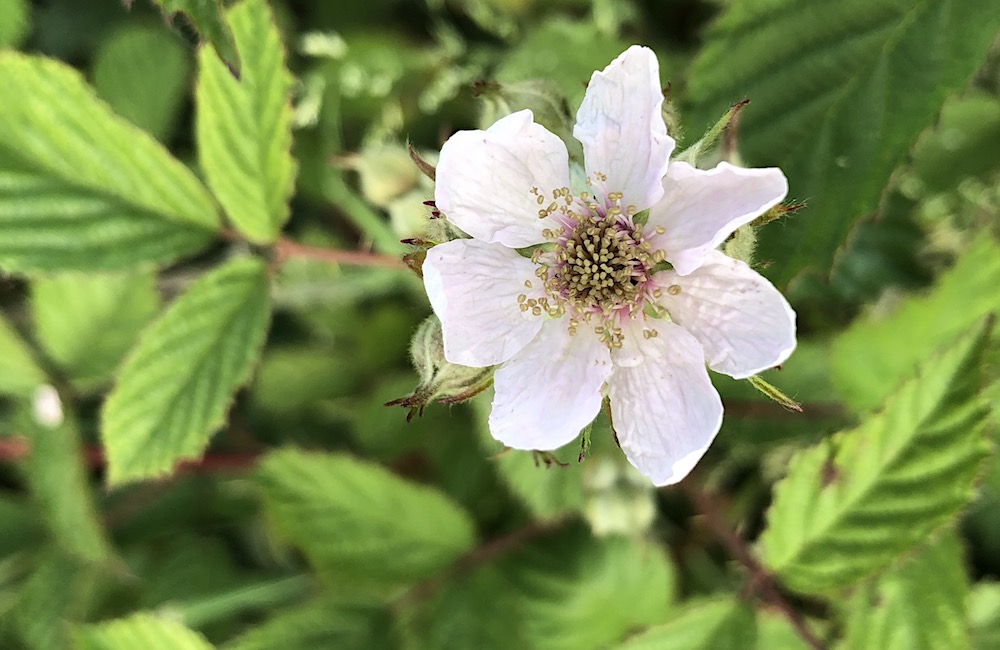
June so far has seen the Elderflowers open properly in the hedges and some of the fields look red at a distance with the flowering of Sheep’s sorrel. I also notice pink Dog-roses covering the bushes and the small white flowers of Brambles are coming out.
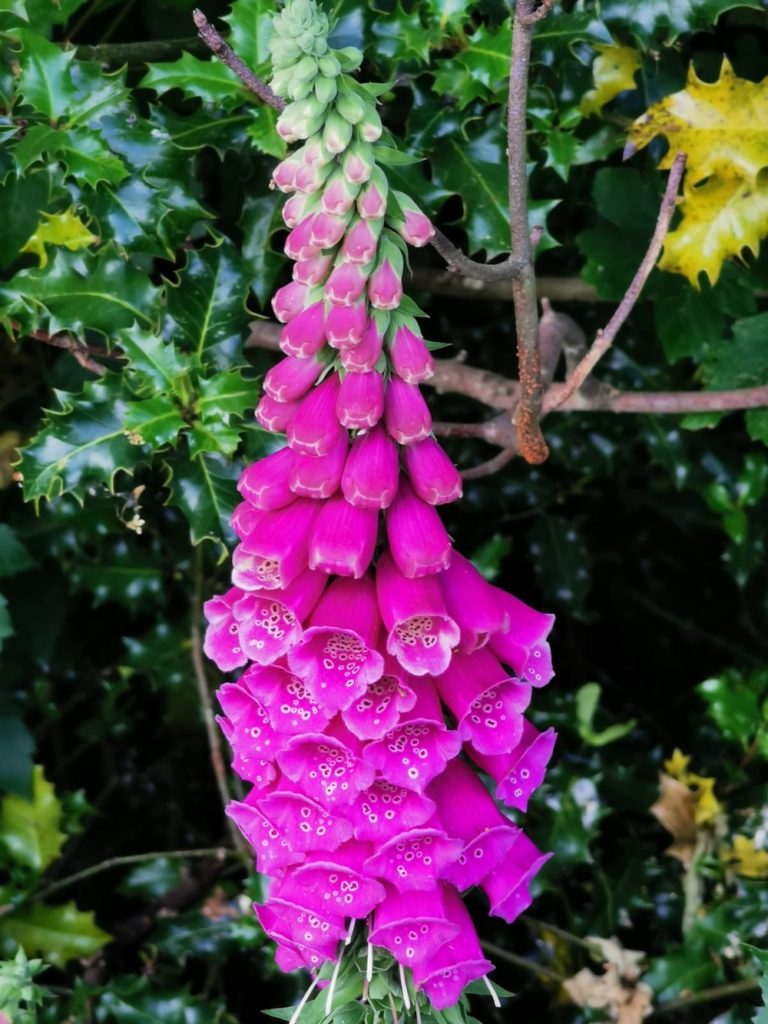
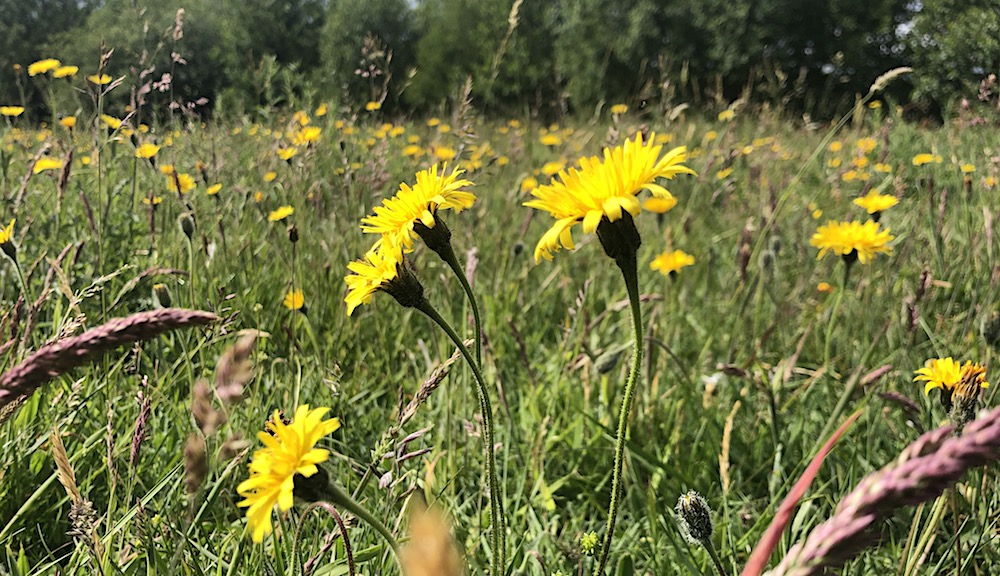
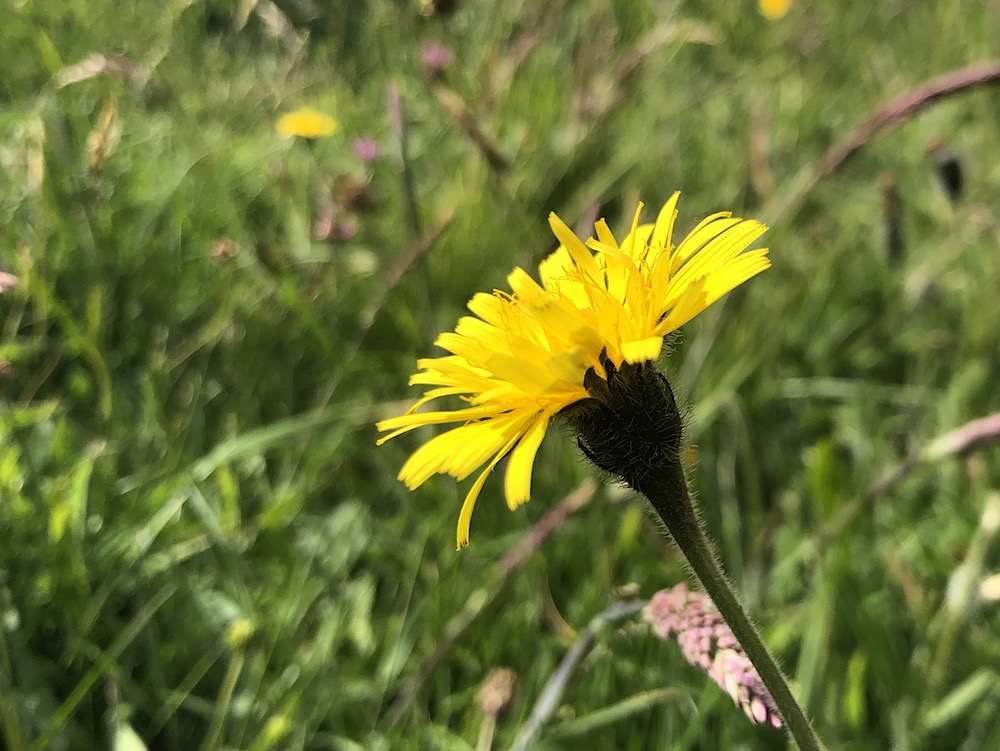
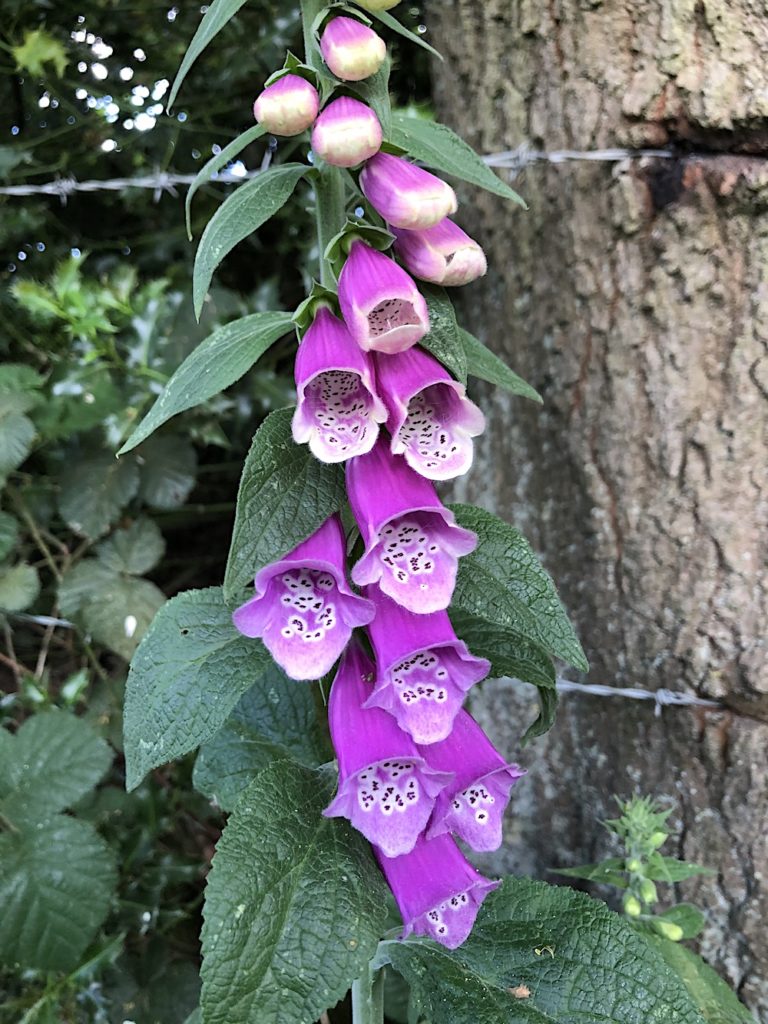
I have really enjoyed walking over the same fields for weeks and noticing how different flowers come into bloom and change the colour of the fields and hedges. I had not really thought about this before and at the moment in June the fabulous Foxgloves are just starting to flower. The fields where the dandelions flowered earlier are now being covered by Rough hawkbit.

I am looking forward to seeing more flowers opening during the month of June and how these alter the colour of the fields.

Cooking during Lockdown

Since the 23rd of March 2020 we have been told to not go out except for shopping or work, if you cannot work from home. I have never liked to go to the supermarket and load a trolley full of food to last a fortnight or even a month. I like to shop locally for things as I need them and consequently do not waste food. We are now being told to go out as little as possible even for shopping. Buying necessities has become a nightmare as you often have to queue outside and then when you do get into a shop many of the shelves are bare.

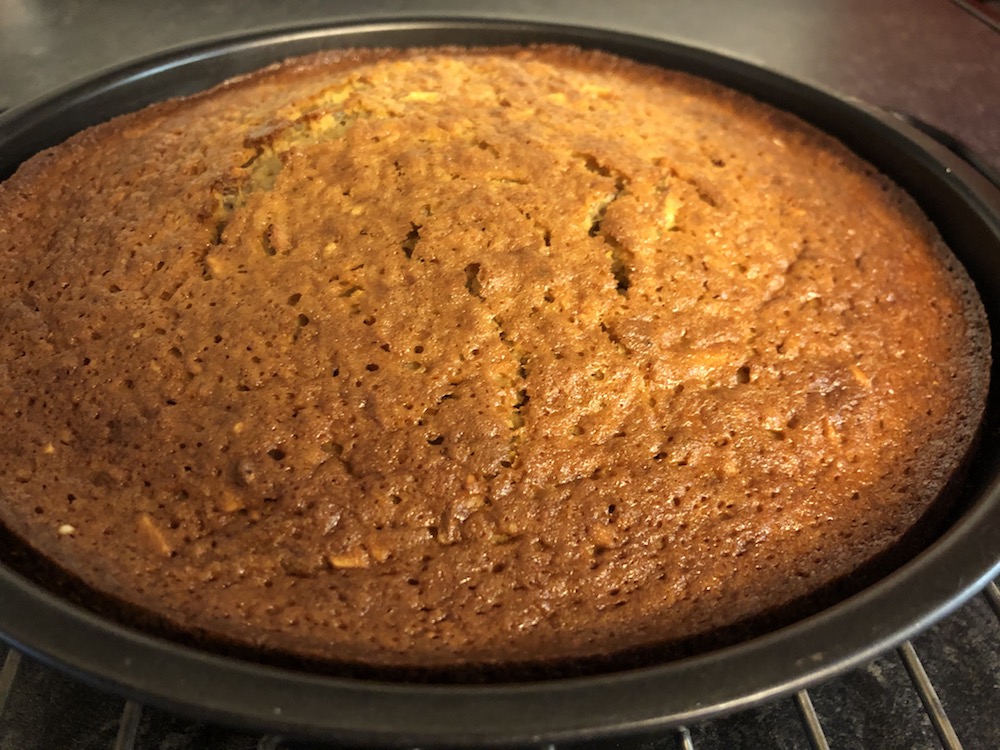
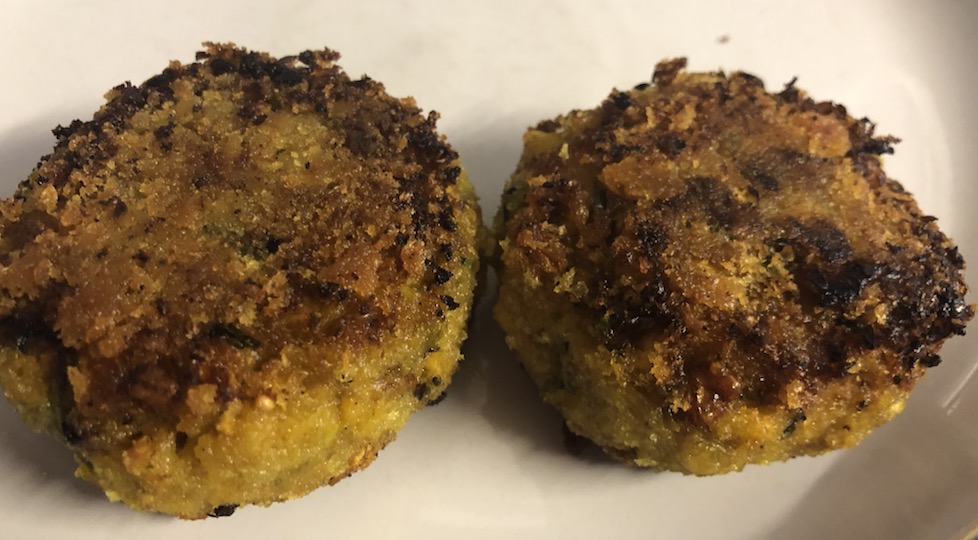
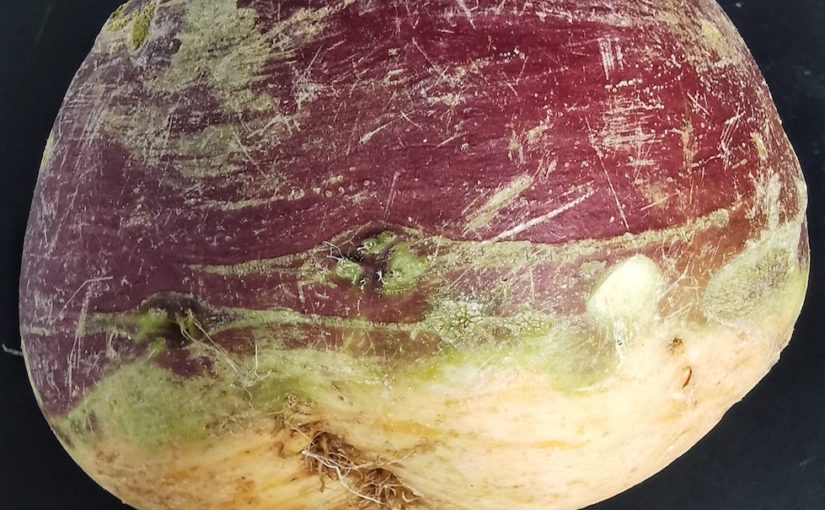
It has meant we have had to adapt and change many of the things we eat and the way we shop. It became difficult to buy bread and if we did manage to find some there was very little choice. I am not a bread maker but luckily for me it was something I had intended to do one day. I had a tin of dried yeast in the cupboard and some bread flour that was only three months out of date. Looking on the internet for a recipe, I was very pleased to find that you could make bread in a slow cooker and it worked. Here is the recipe Slow Cooker LoafThis has worked well now four times and I will continue even when bread becomes easier to buy. I have also made these bread rolls which do not need yeast. They do not look like the photo on the actual recipe but they do taste good and  seem to last up to three days. Roll Recipe.Buying fruit and vegetables has become more difficult as the local green grocers is a small shop where social distancing was not really possible. The shop decided to close and offer home delivery. We have been able to have them deliver fruit and vegetable boxes. The downside of this is you cannot choose all the items in the box. My first vegetable box contained both parsnips and a swede. Items my other half refused to eat under any circumstances. The challenge was to change his mind. I started with the parsnips and discovered a recipe for Parsnip Cake. I didn’t have all the ingredients but the cake still worked with a few changes and has now become our favourite cake. I used almonds instead of pecans, honey instead of maple syrup and lemon instead of orange.I thought the swede would be more difficult as at least parsnips are sweet and therefore lend themselves to cake. Having asked on Facebook, what to do with a swede? The recipe Spiced Swede Cakes, was suggested and once made it became another favourite. We were disappointed this week not to receive another swede.I have been foraging locally for ingredients to add to recipes and wild garlic is one of my favourite. This year for the first time I made wild garlic pesto which was added to pasta and also spread on bread. I will write more about this in my next blog.