Crochet, Trains and the Ripple Effect Dress

This may sound like a very strange mix so I will try to explain. I learnt to knit when I was young and as a teenager made my own jumpers. I find knitting relaxing, creative and social. I usually carry a small project in my bag so that if I find myself having to wait for an appointment or a meal, I can occupy myself with my needles and yarn. I enjoy knitting on long car, bus and train journeys and even while listening to music in the pub. It can be a way of starting conversations when someone asks what I am making as they are intrigued if I answer, a jumper for a mouse.
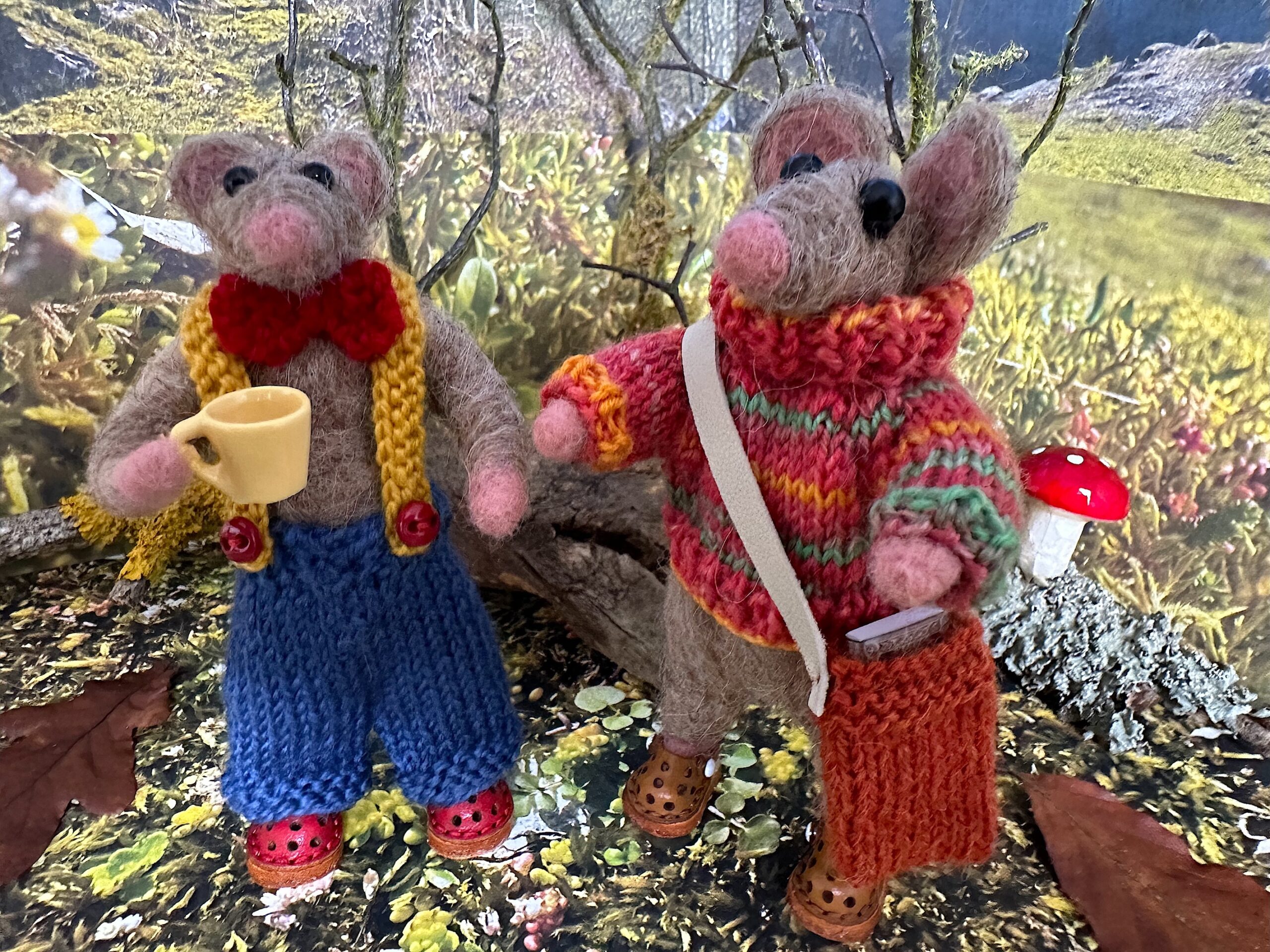
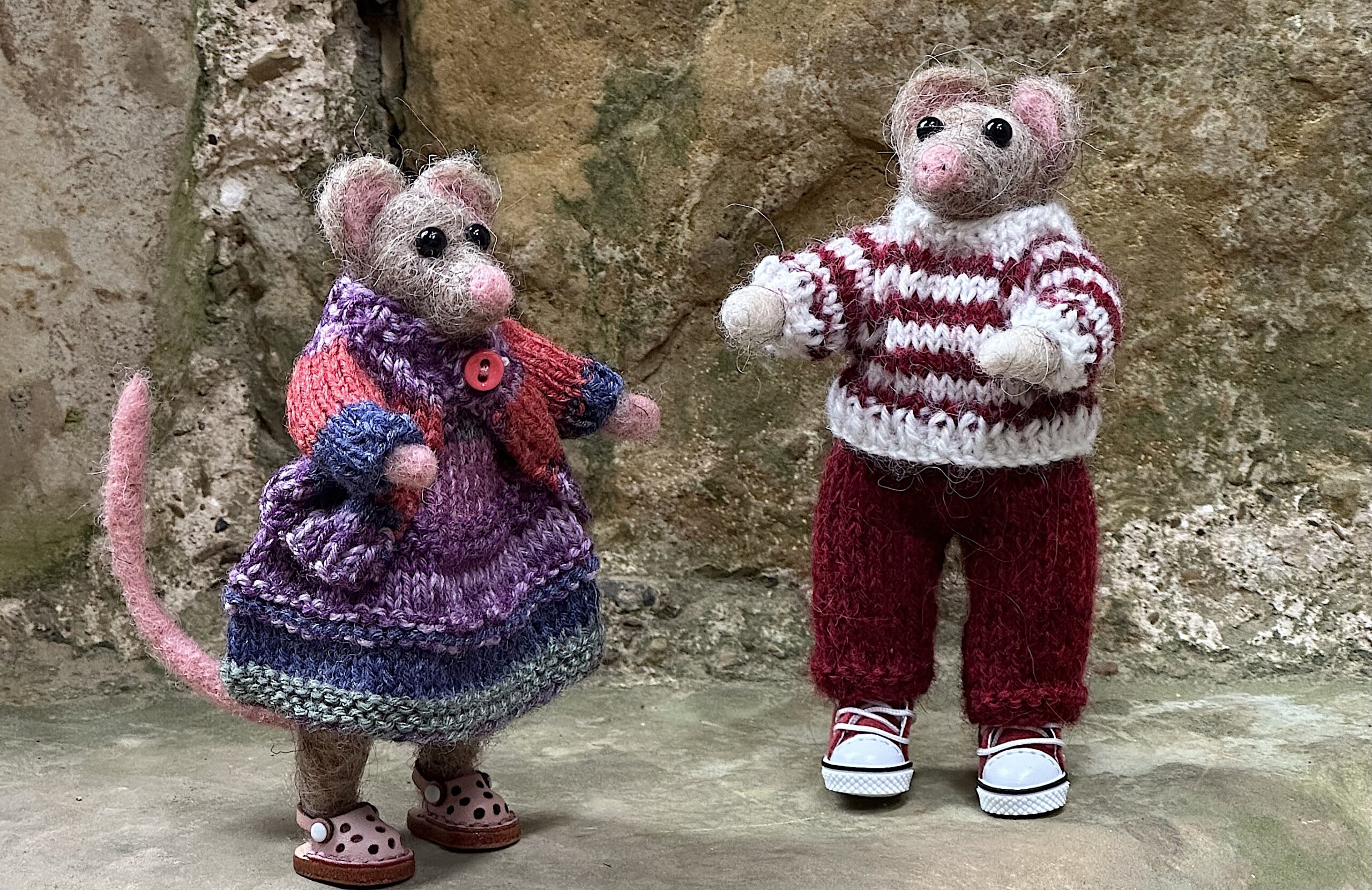
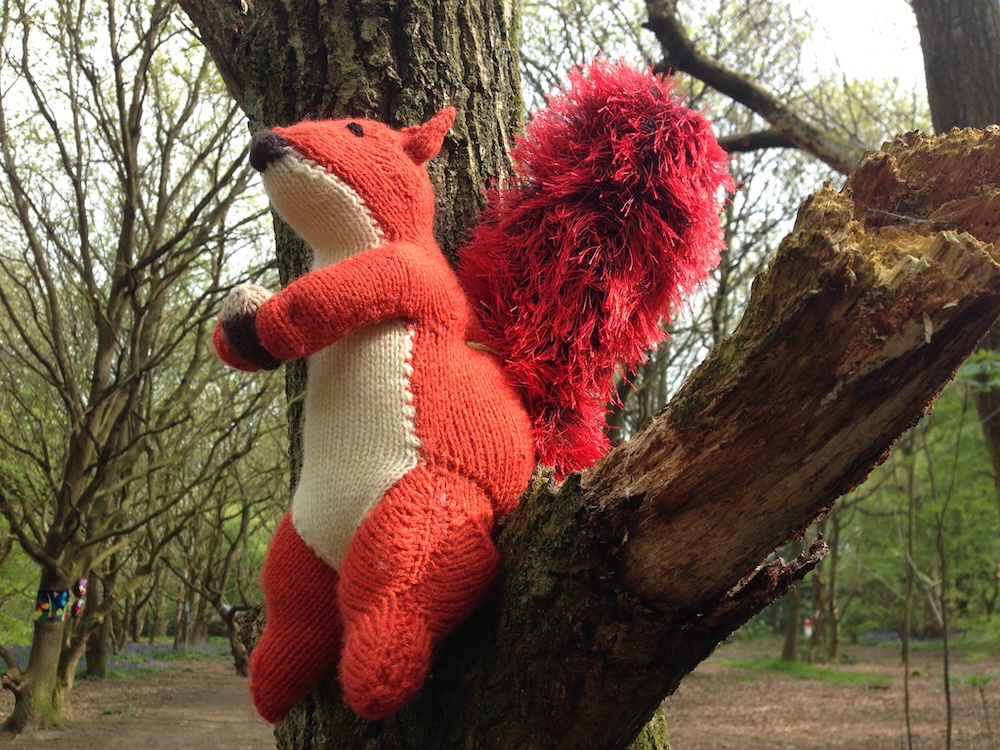
Since 2012 I have been using my knitting and creativity as a way of making pieces to be displayed in public.Yarn bombing is a type of graffiti or street art that employs colourful displays of knitted or crocheted yarn rather than paint or chalk. It is also called wool bombing, yarn storming, guerrilla knitting, kniffiti, urban knitting, or graffiti knitting.There are several posts on this blog about this.
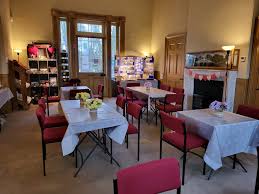
To get back to the title of this post, I have recently decided to return to crocheting and try to get better at it. It takes up less room in my handbag and I can achieve different effects and patterns with this craft. One recent Sunday afternoon I was sitting in the cafe of the restored Wingfield Station enjoying a cup of coffee and listening to some talented local musicians while practicing making granny squares. The station is on the mainline running from Derby to Chesterfield and is a good place for some train spotting.
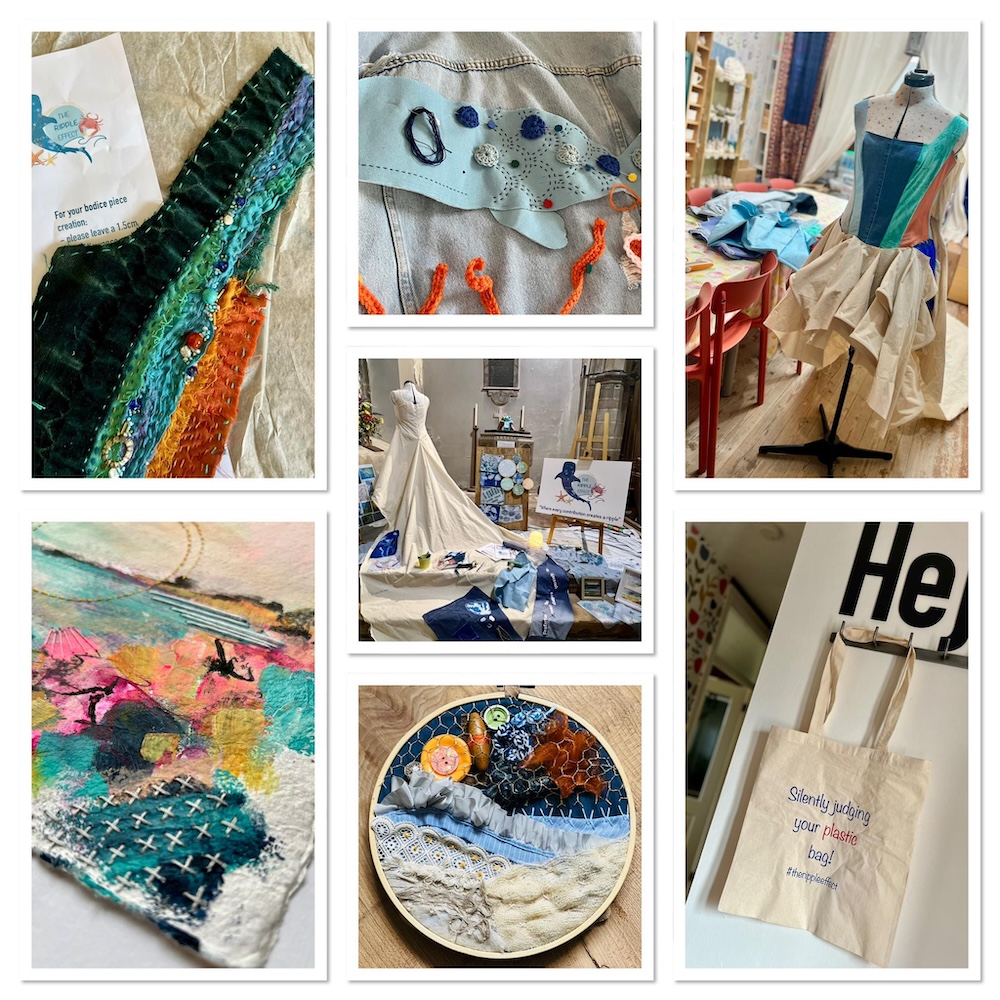
A customer came over to me and asked what I was doing and this started quite a long conversation. She informed me of a local community project called the Ripple Effect Dress. This is a creative project inspired by David Attenborough’s ‘Ocean’ film. People were invited to design and make a unique piece to be added to the Ripple Effect Dress. I wish I had known about it in time to take part as it sounds such a fantastic idea. However it will be possible to see the finished dress and be inspired by the work others have done on Friday May 8th. I do not have any more details at the moment but will keep an eye on their social media page Facebook, the Ripple Effect and Instagram. The Ripple Effect Dress

A bit more information about the trains part of this blog. The restoration of the Grade II listed South Wingfield Station, (one of the world’s oldest railway stations), was completed by the Derbyshire Historic Buildings Trust in late 2023. The project restored the building to its original 1840 appearance, featuring repaired stonework, restored fireplaces, and a new visitor centre in the adjacent Goods Shed. Wingfield Station is open to the public as a heritage centre, tea room, local community amenity, event space and is also available for private and business hire. The cafe is open to the public from Wednesday to Sunday, more information and be found here www.wingfieldstation1947.co.uk
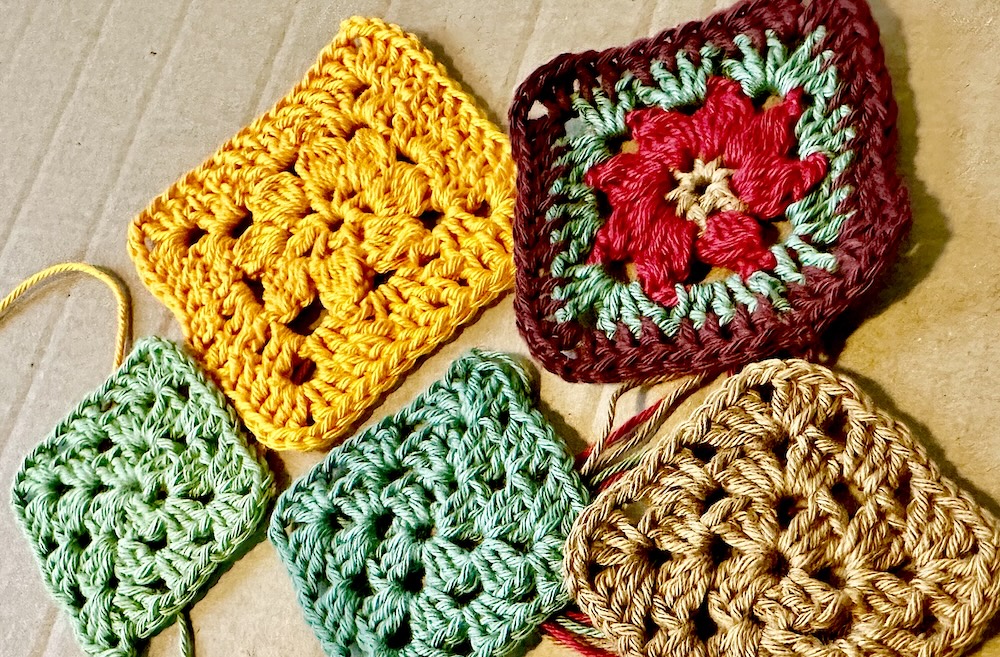
As far as the crochet is concerned, I am enjoying getting back to learning this skill but still have a long way to go. I find the website https://attic24.co.uk extremely interesting and helpful.
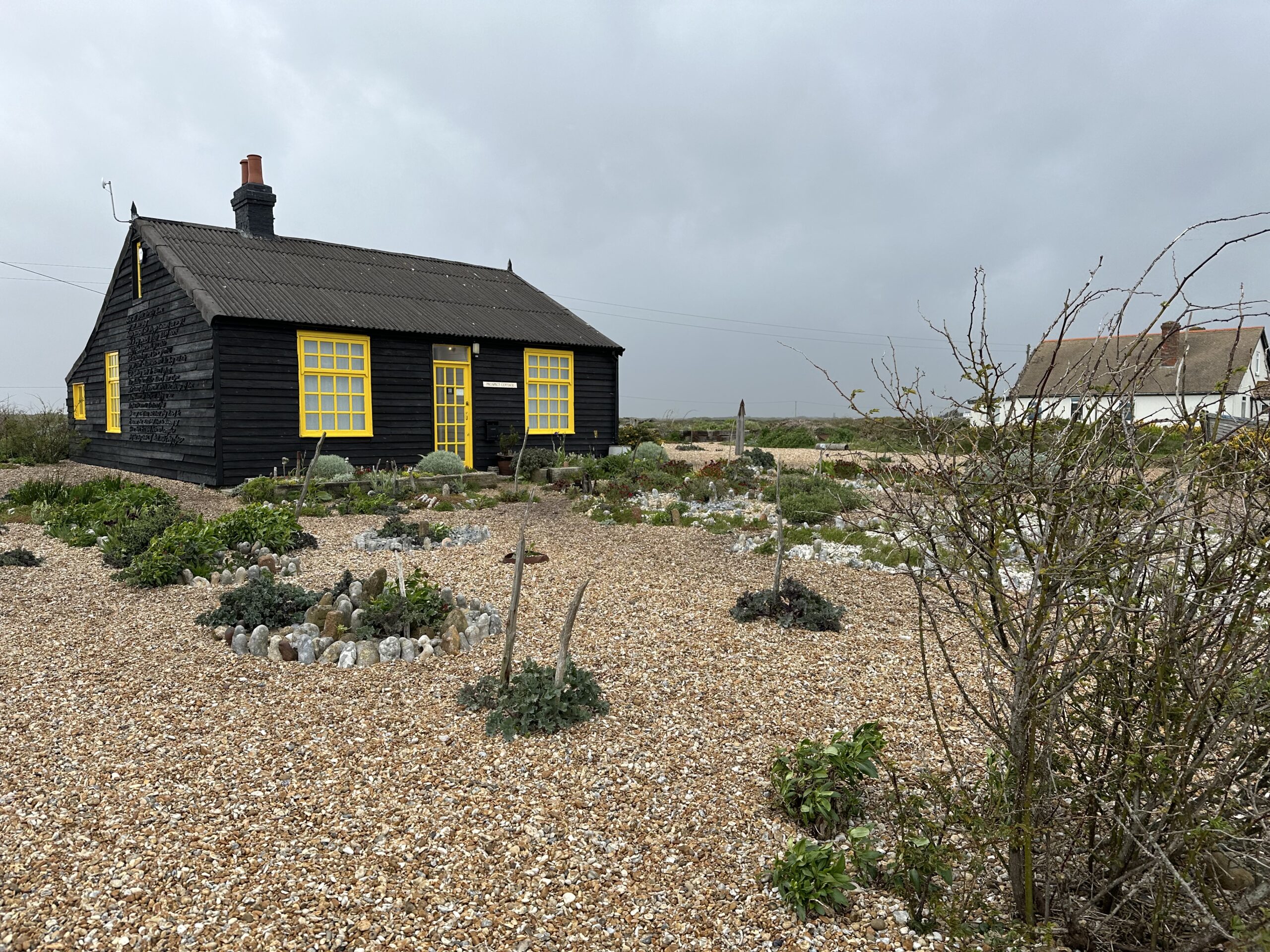
Prospect Cottage and Dungeness

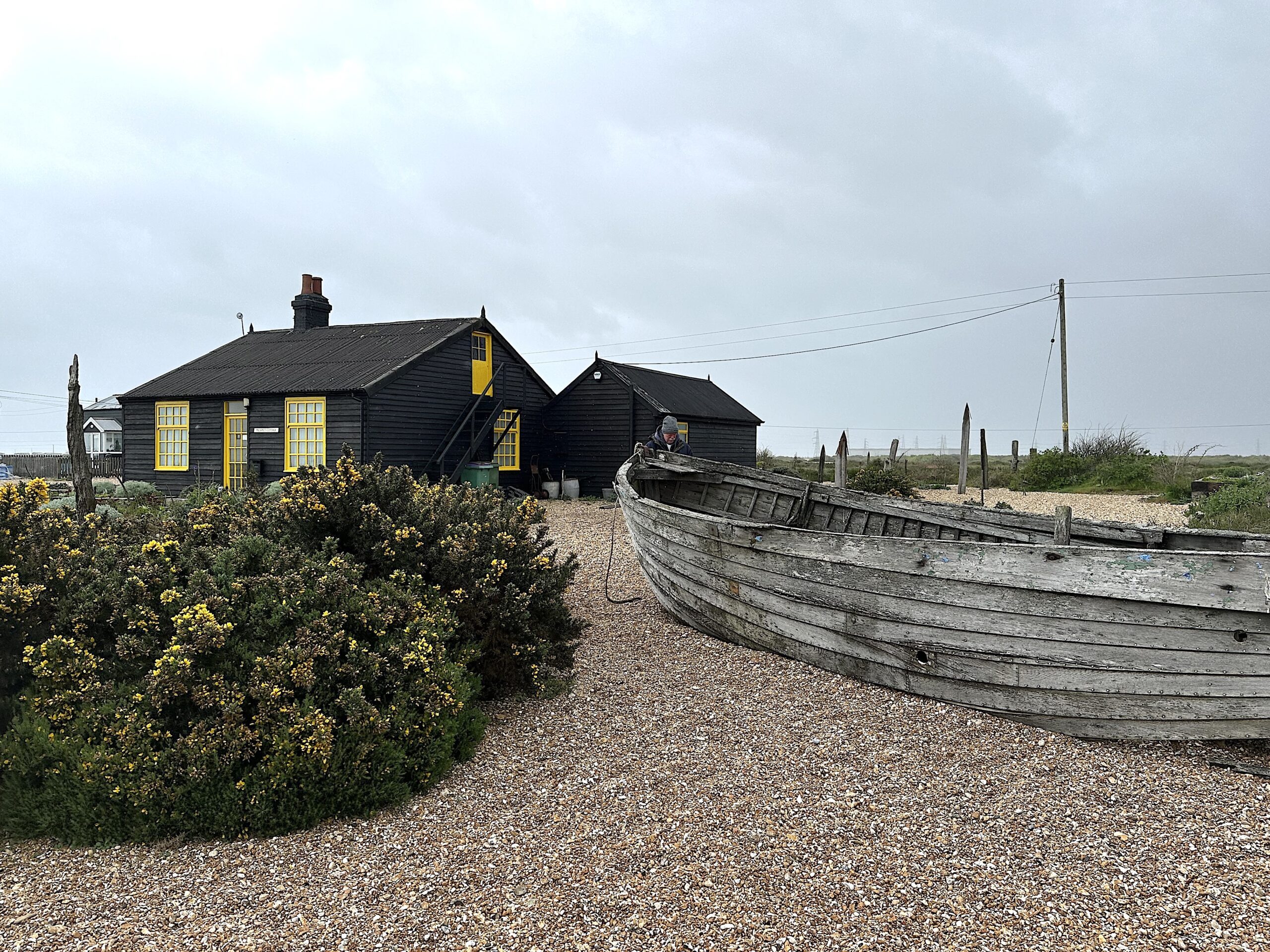
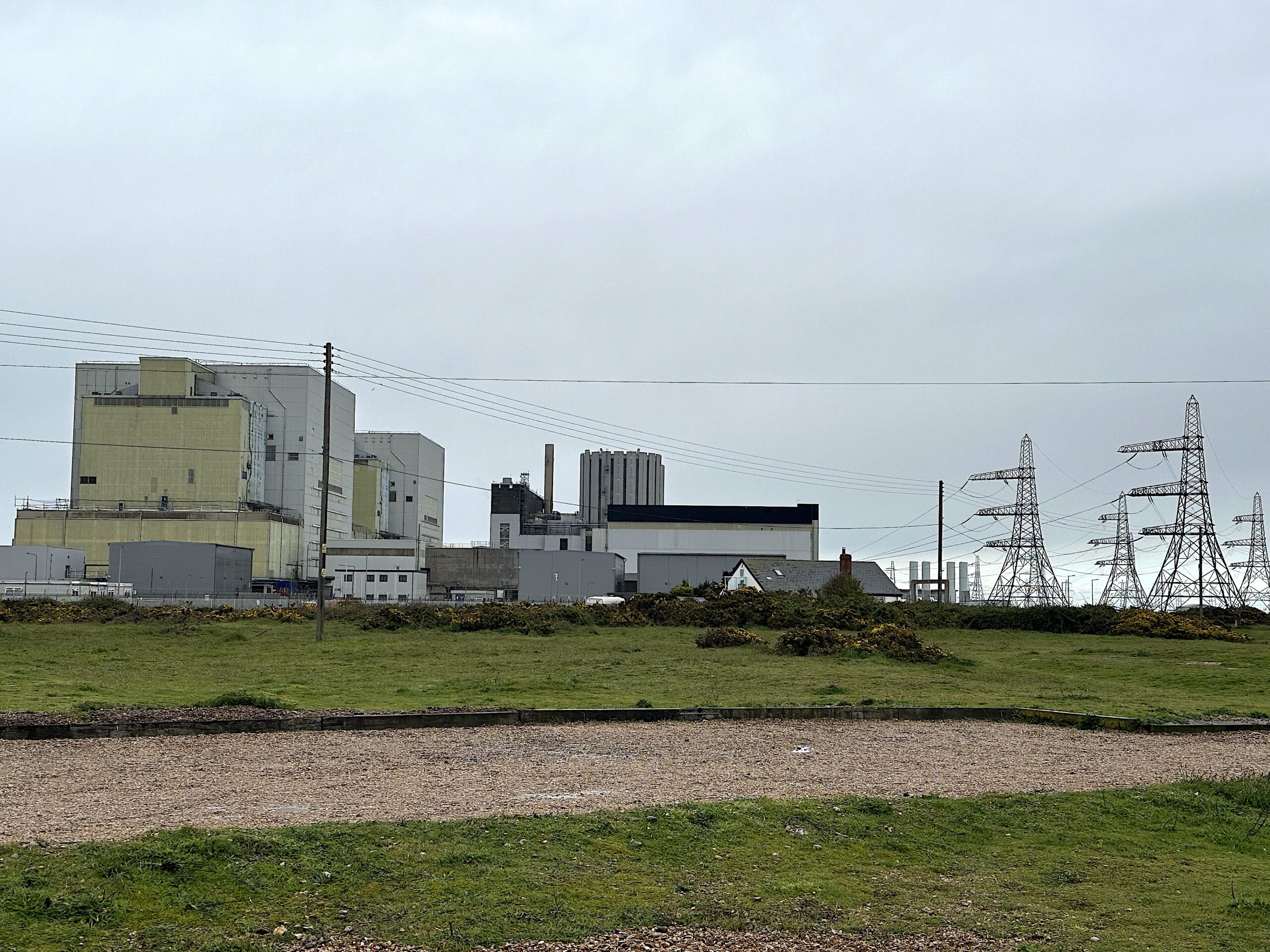
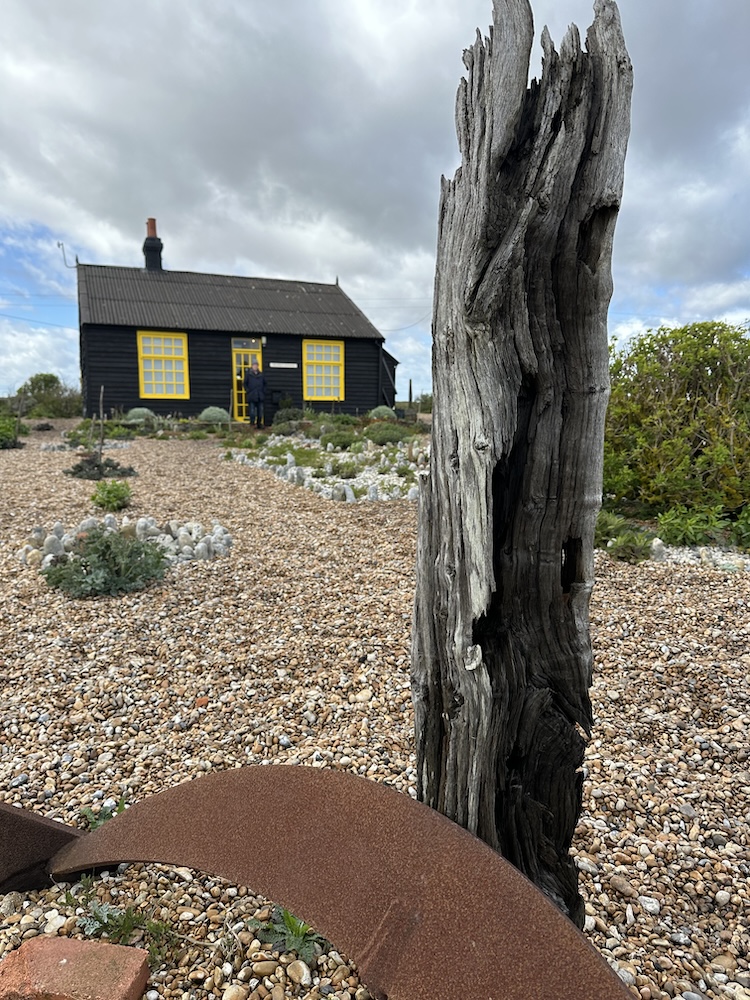
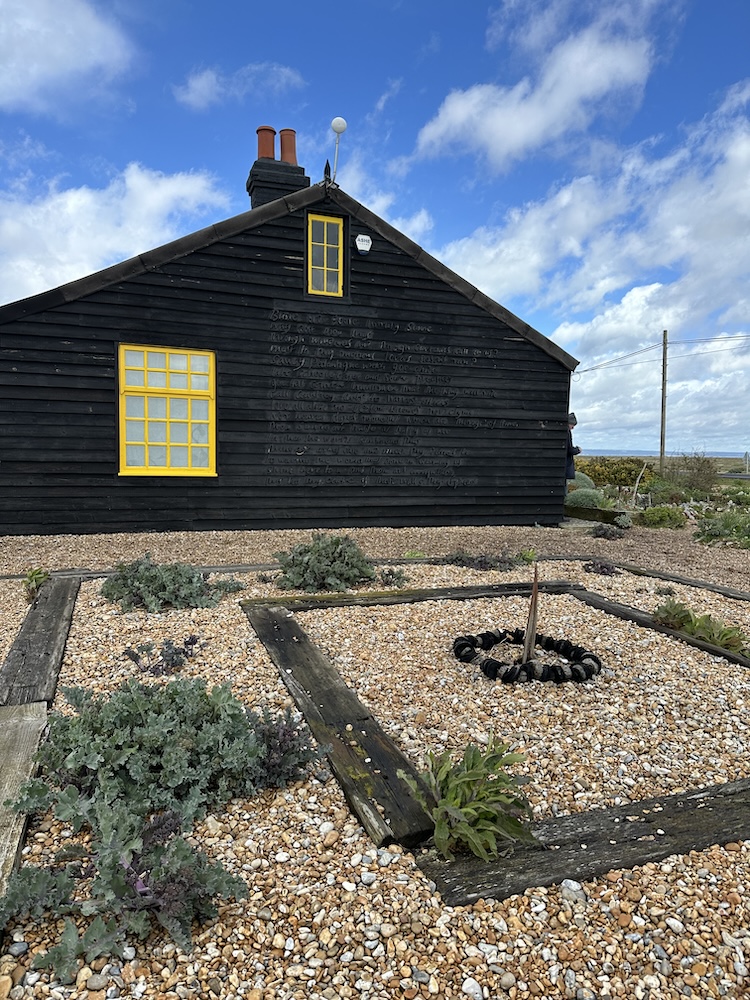
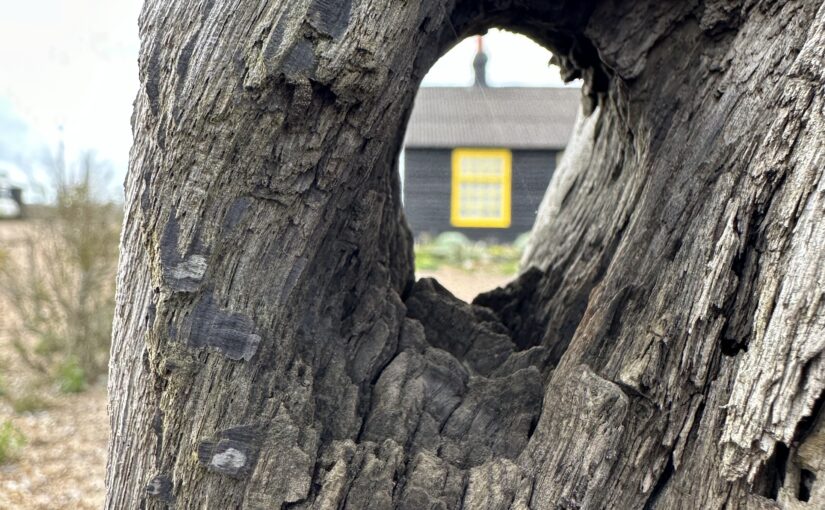
It was a wet, extremely windy day when we decided to drive to find Prospect Cottage. Prospect Cottage is a turn of the century fisherman’s hut which sits on the shingle at Dungeness. It is easy to find on the road to the lighthouses and power station with its black walls and yellow paintwork. Getting out of the car however was a battle against the strong wind and it took two of us to open the drivers door. The bad weather did however mean we were the only visitors looking around the cottage.

Derek Jarman moved to Prospect Cottage in 1986. The cottage soon became a source of inspiration to all who visited and a creative hub where his artistic practices and collaborators came together. Prospect Cottage was, and continues to be, a place that inspires artists, and creative minds of all varieties. By booking one of the limited places you can step-inside the cottage and soak up the atmosphere of this unique building. 

Who was Derek Jarman? Michael Derek Elworthy Jarman was an English artist, film maker, costume designer, stage designer, writer, poet, gardener, and gay rights activist. He was born in 1942 and died at 52 of an AIDS related illness. He made feature films, short films and music videos. He is credited in 55 films, including “Jubilee”, “Caravaggio”, and “Blue”.. To be honest I had not heard of him until I heard of his home Prospect Cottage near the power station at Dungeness.

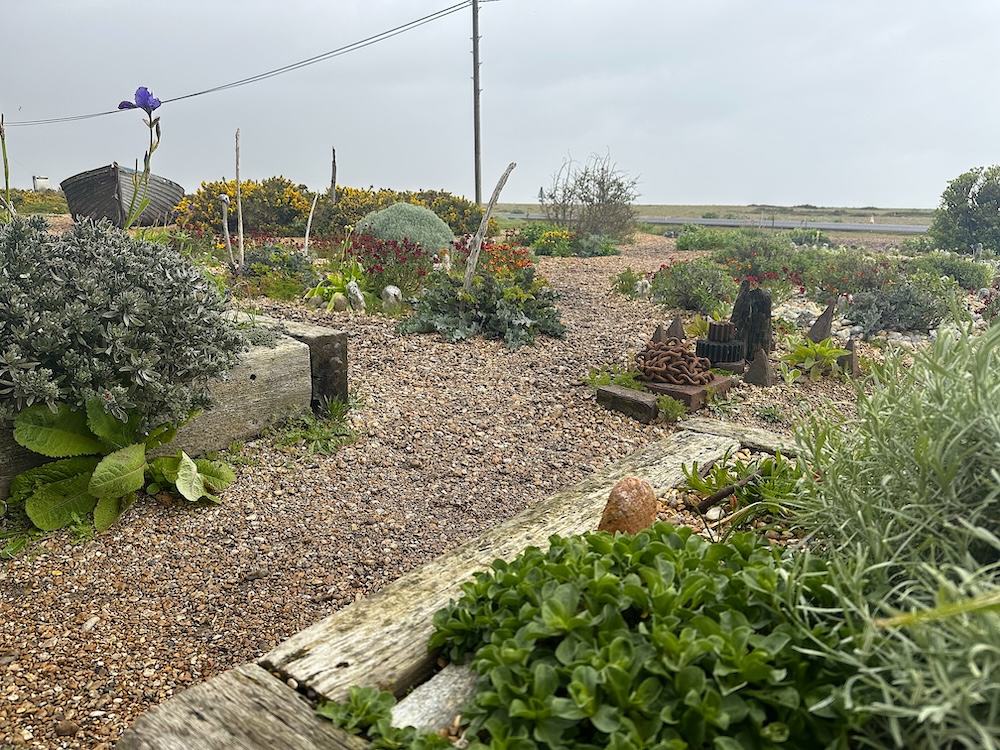
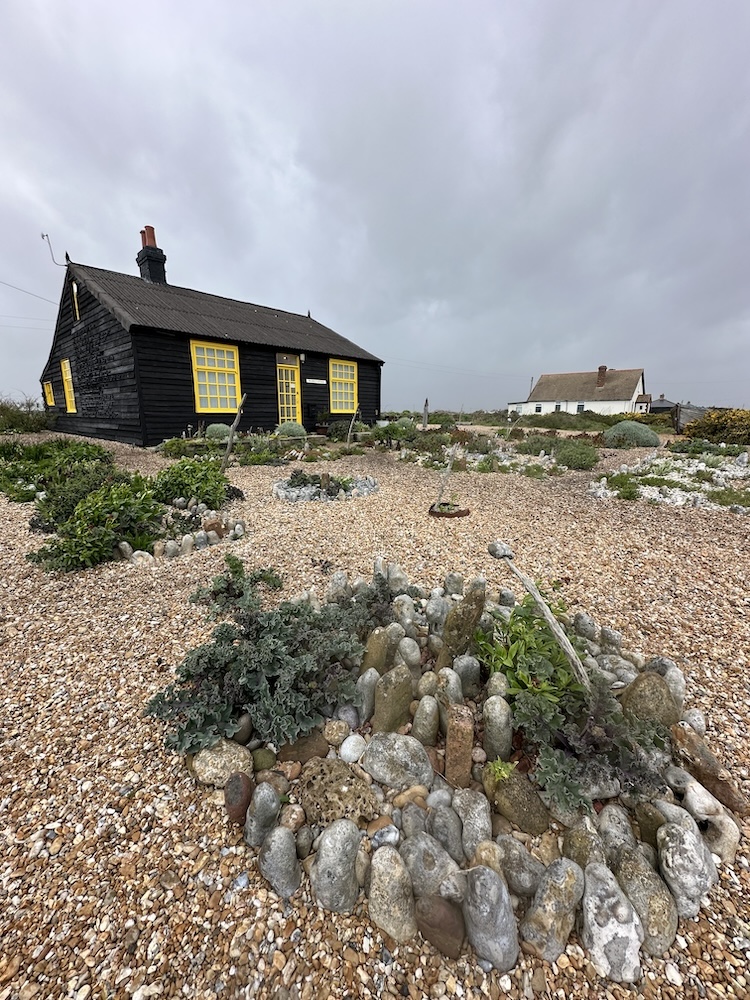
We were unable to look inside on the day we visited but as there was no-one around we looked through the windows. It was however the garden that I was most interested in. Those who have visited Dungeness will be familiar with the very un-English prospect of encountering private gardens without fences. Regulations in the protected nature reserve mean that fences are mostly forbidden, so property boundaries remain blurred. The weather conditions meant we were the only people about and once we were able to stand against the wind we could enjoy the area. It was April and so no poppies or roses.

When Derek first moved to the cottage and started gardening he had hoped to surround himself with roses but most of the ones he planted could not cope with the exposed salty conditions. He turned instead to native plants – sea kale, wild peas, viper’s bugloss, teasels and sea holly. He used items he found on the beach and his neighbours were a little concerned that something occult was afoot. “People thought I was building a garden for magical purposes,” Jarman said at the time, “a white witch out to get the nuclear power station.” Driftwood totems now rise above shaggy tufts of sea kale, strings of pebbles dangle from rusting iron posts, and metal balls of fishing floats emerge from clumps of gorse.

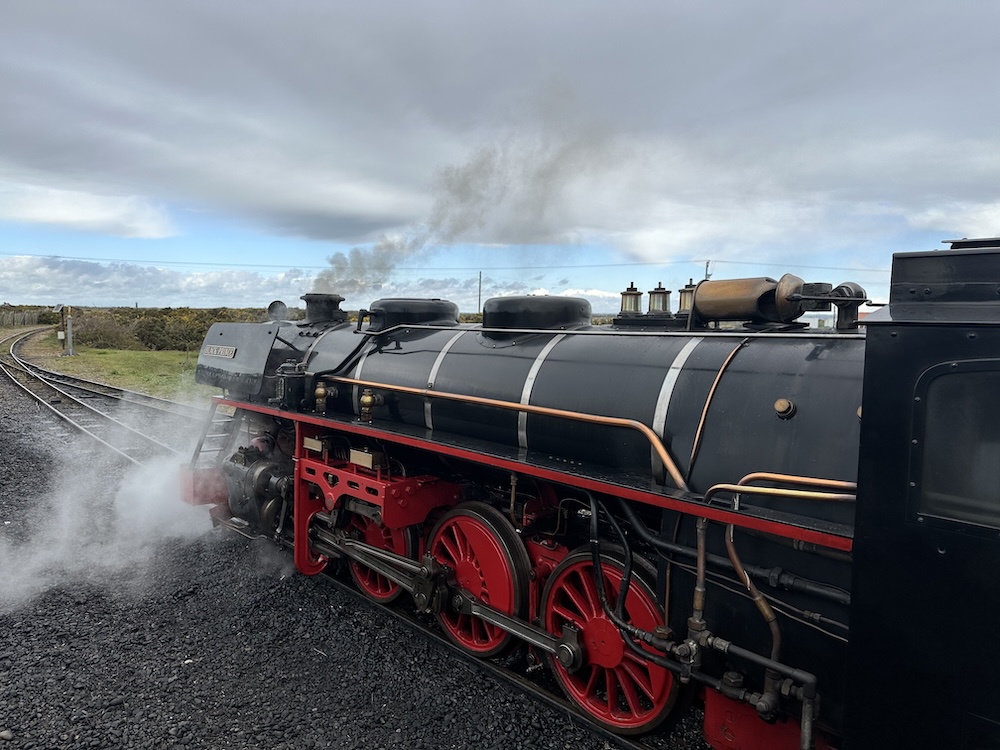
Dungeness is home to the world’s smallest passenger railway as well as the largest shingle beach in Europe, and it’s a haven for wildlife and over 600 species of plants a third of all the plants found in the UK. Dungeness is host to many insect species. It is one of the best places in Britain to find insects such as moths, bees, beetles, and spiders. 

Spring Flowers along the Cromford canal.
I love to walk along the Cromford Canal whatever the weather. Here is a short video of one very wet day.
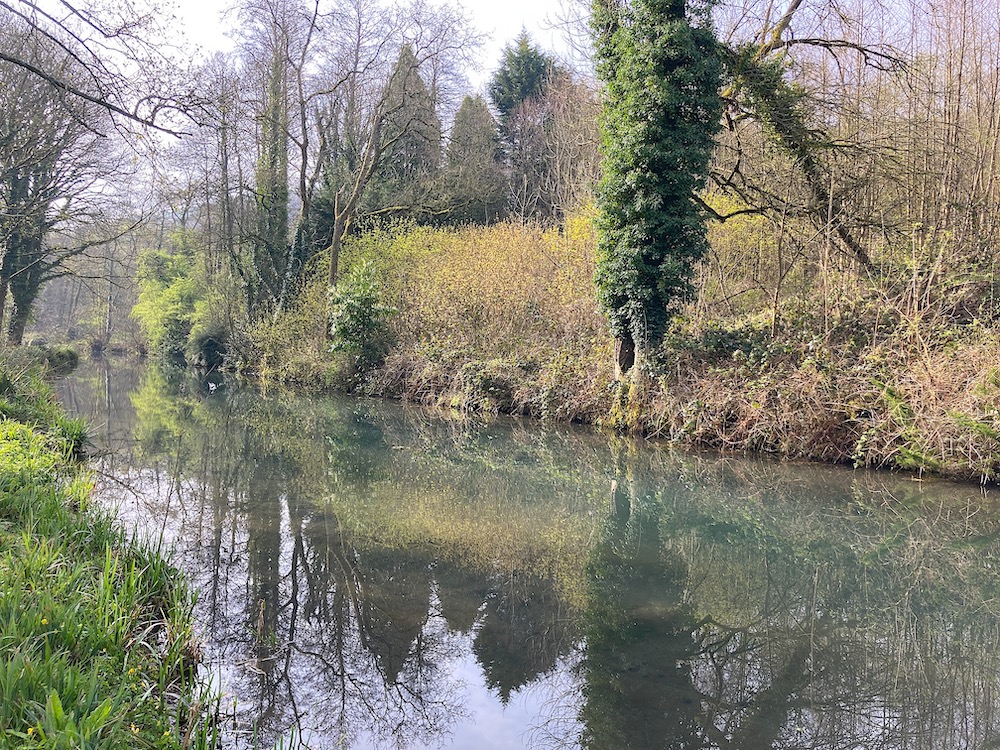
The canal is beautiful on any day but especially in the early Spring sunshine. April 14th 2022 promised to be sunny so I decided to go for an early morning walk. By early I mean 8.30 which I know would not be everyones definition of early. It did however mean that there were not too many others, out walking the canal path. Deciding to start from Cromford was a really good idea as when I arrived at High Peak Junction, (the name now used to describe the site where the former Cromford and High Peak Railway, meets the Canal,) it was not too long before the small cafe opened for Coffee and a sandwich. 

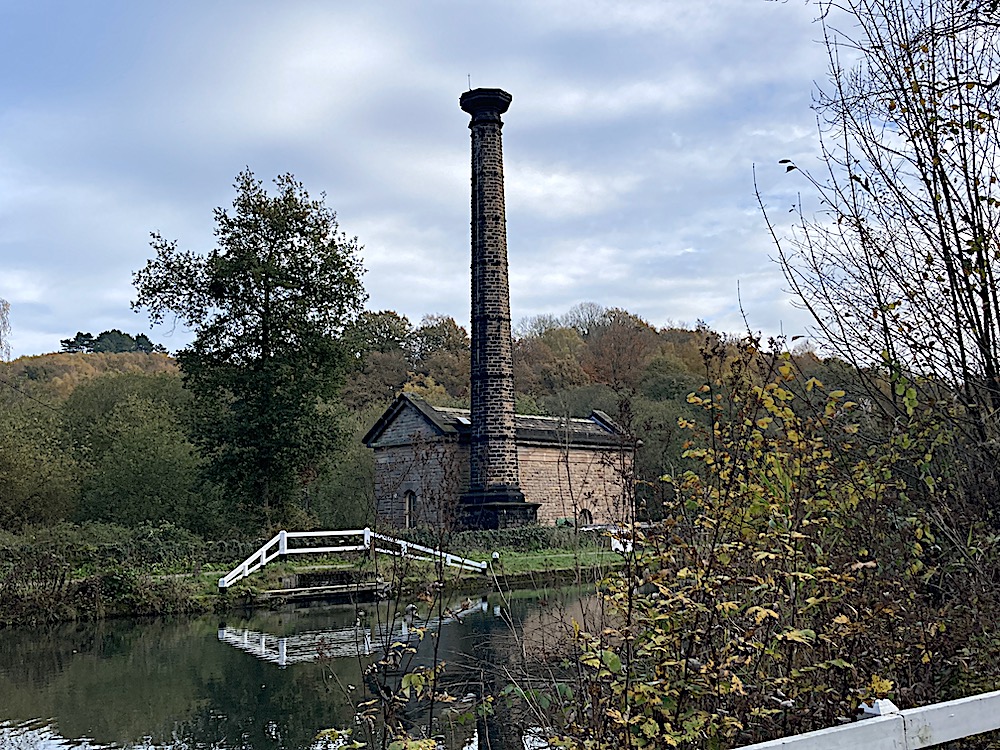
Leewood Pumphouse near High Peak Junction.

The canal used to run for 14.5 miles along the Derwent Valley to Ambergate where it turned to eventually join the Erewash Canal at Langley Mill. It was part of a network of canals dug in the midlands to transport goods such as coal, limestone, cotton and lead. 

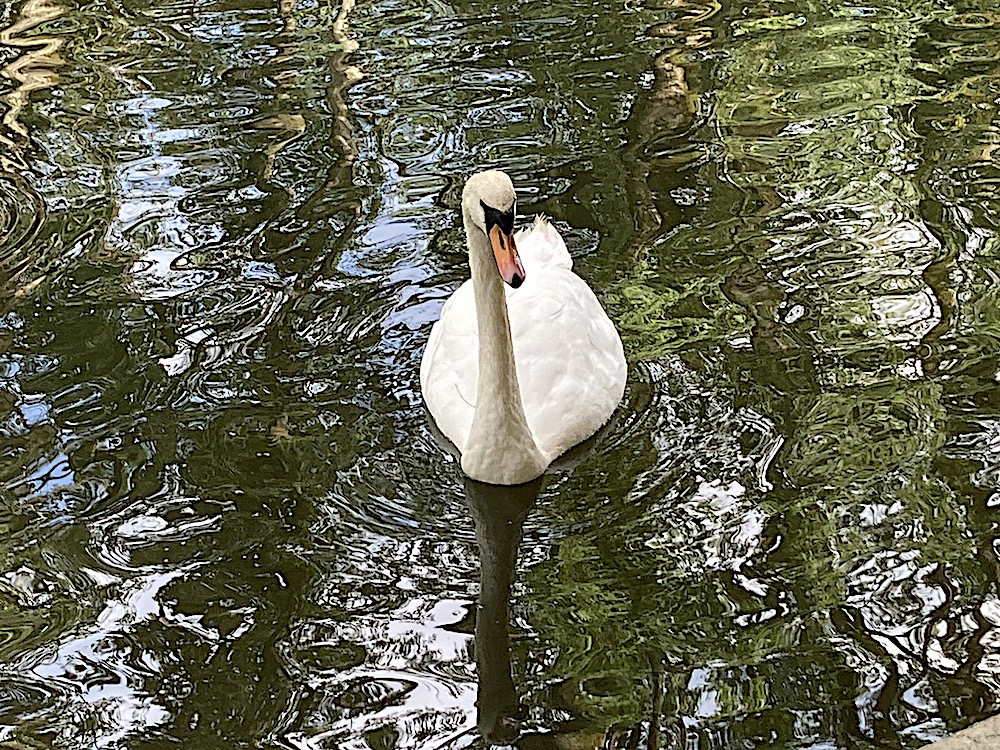
The 6 mile stretch from Cromford to Ambergate has been designated a Site of Special Scientific Interest. The area is home to diverse wildlife and a haven for water voles, grass snakes, little grebes, moorhens, coots, dragonflies as well as myriads of ducks, geese and swans.

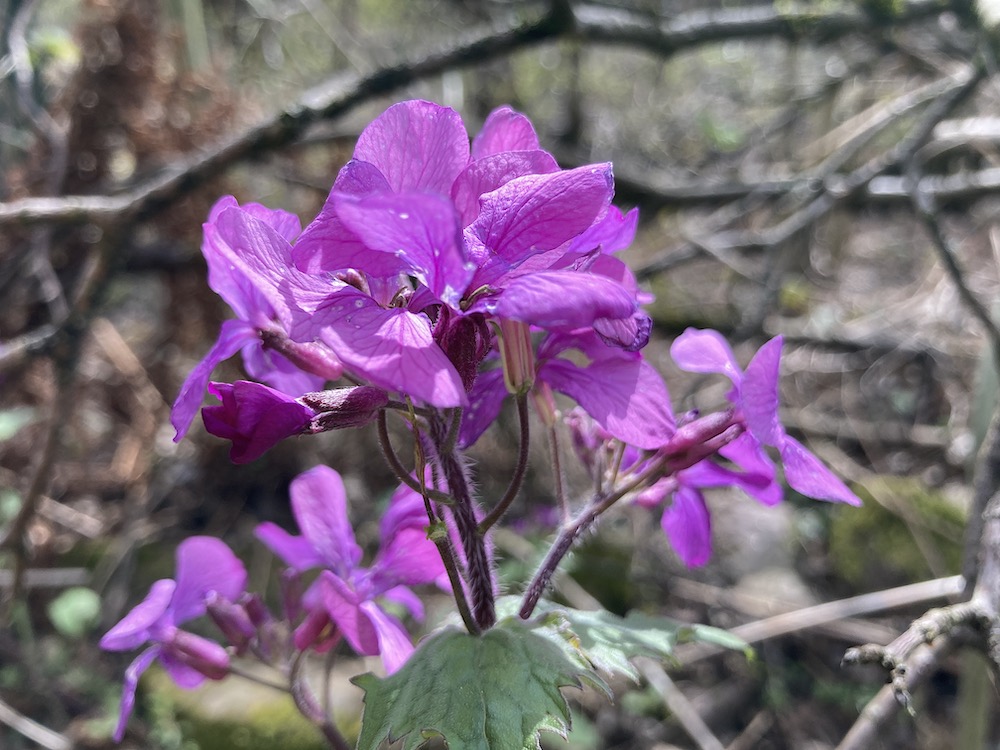
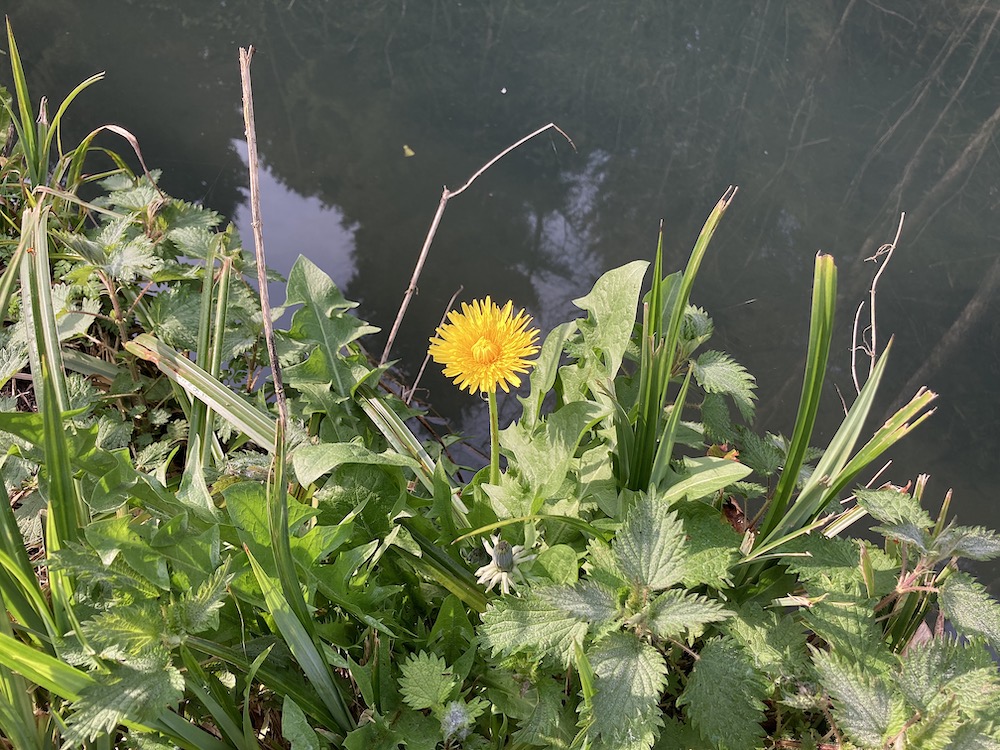
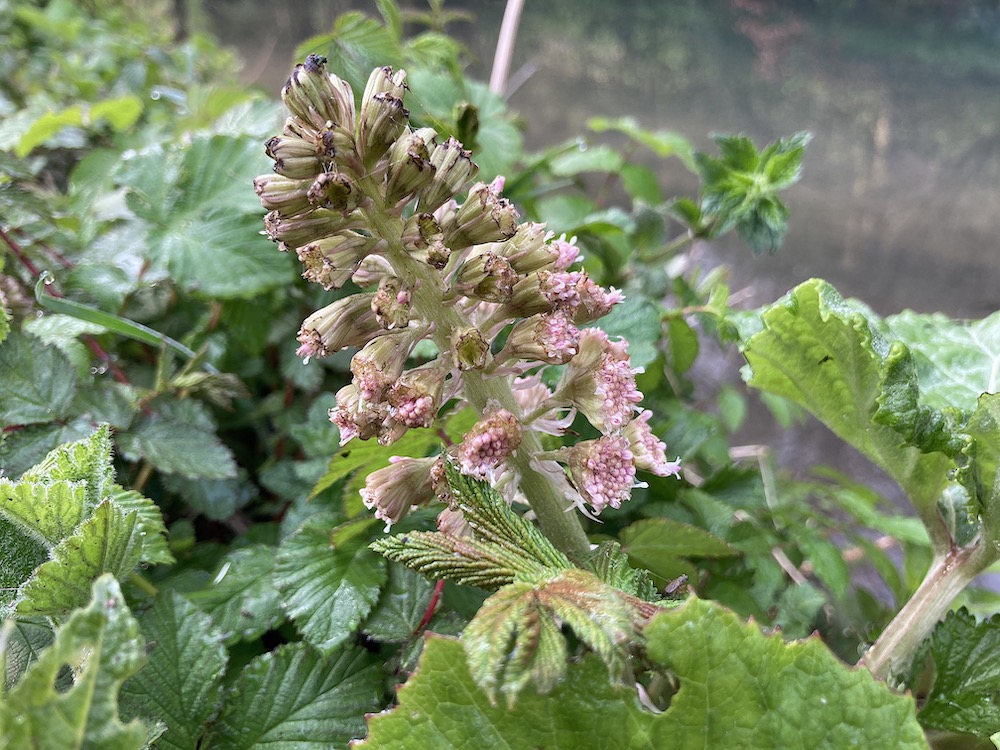
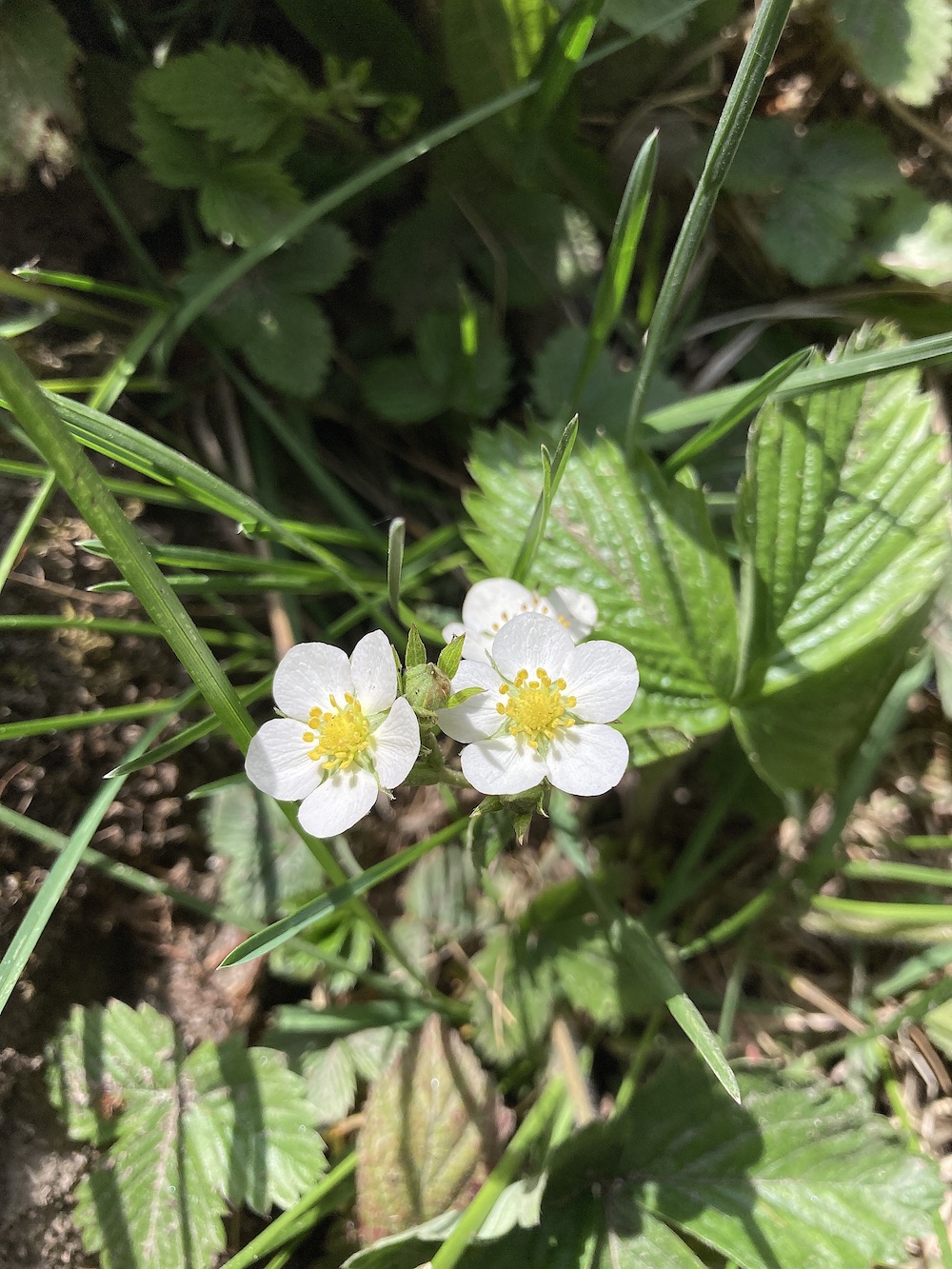
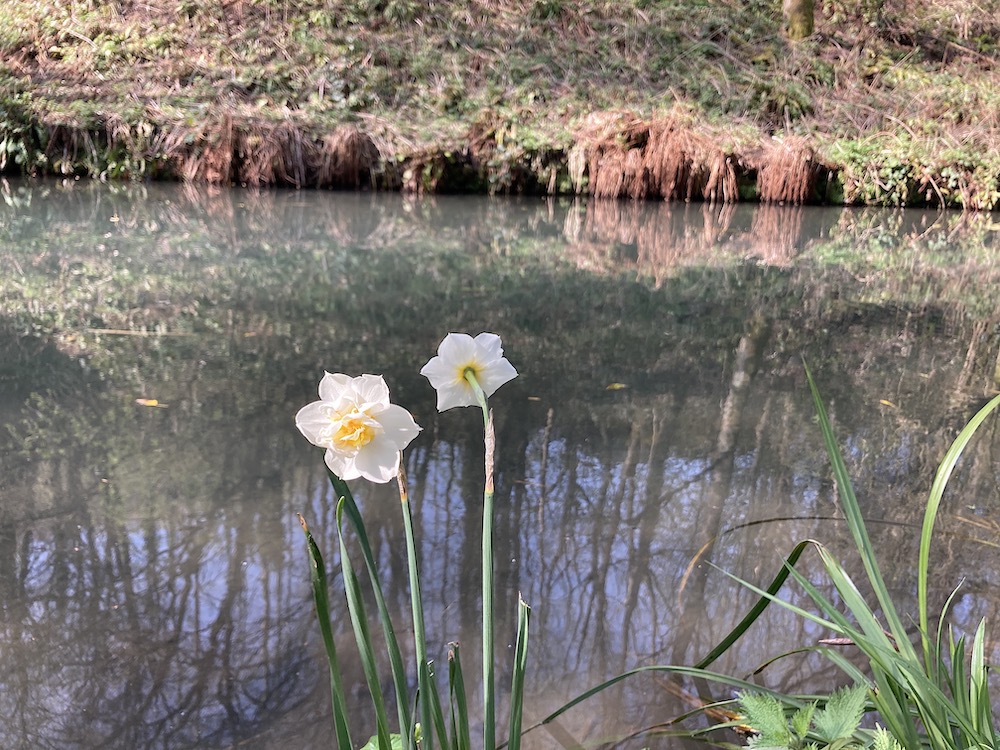
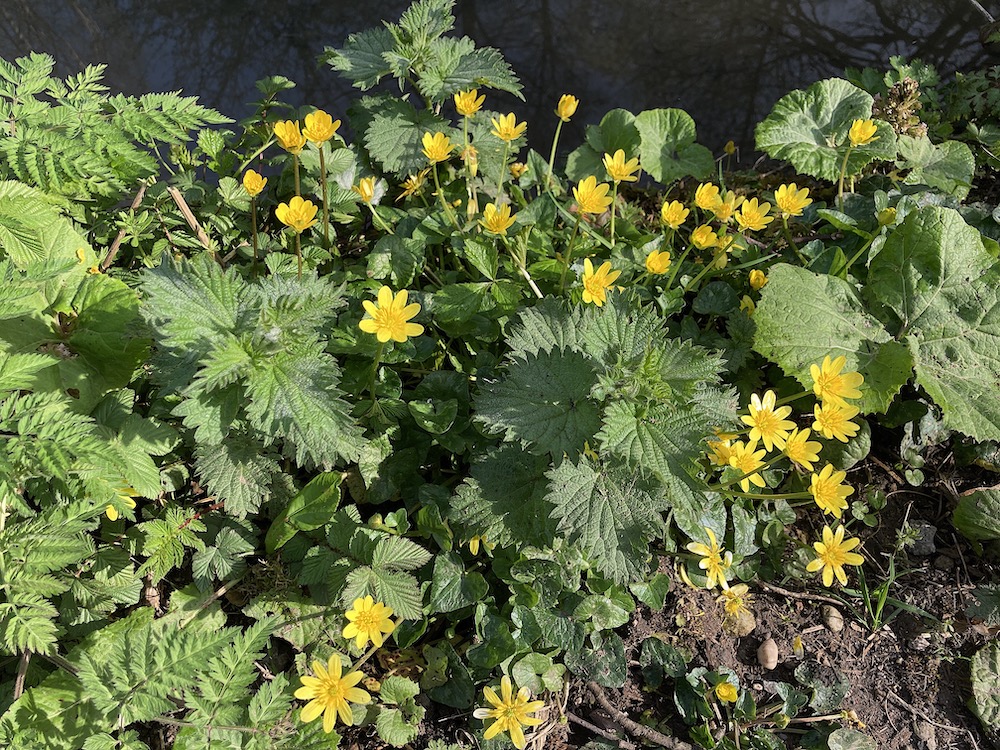
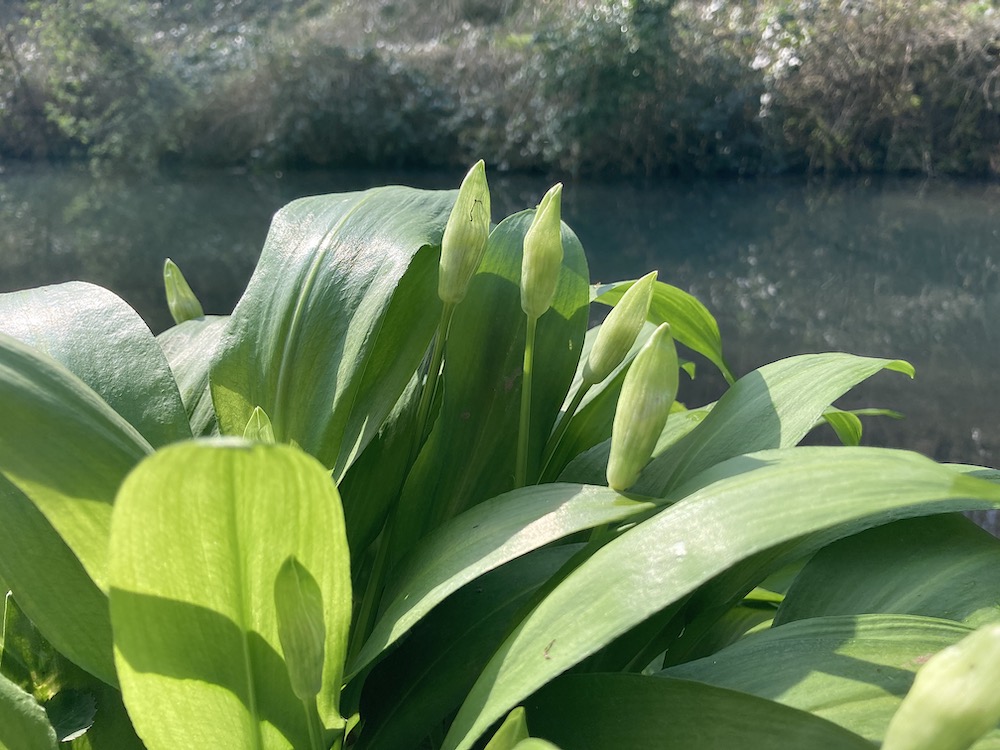
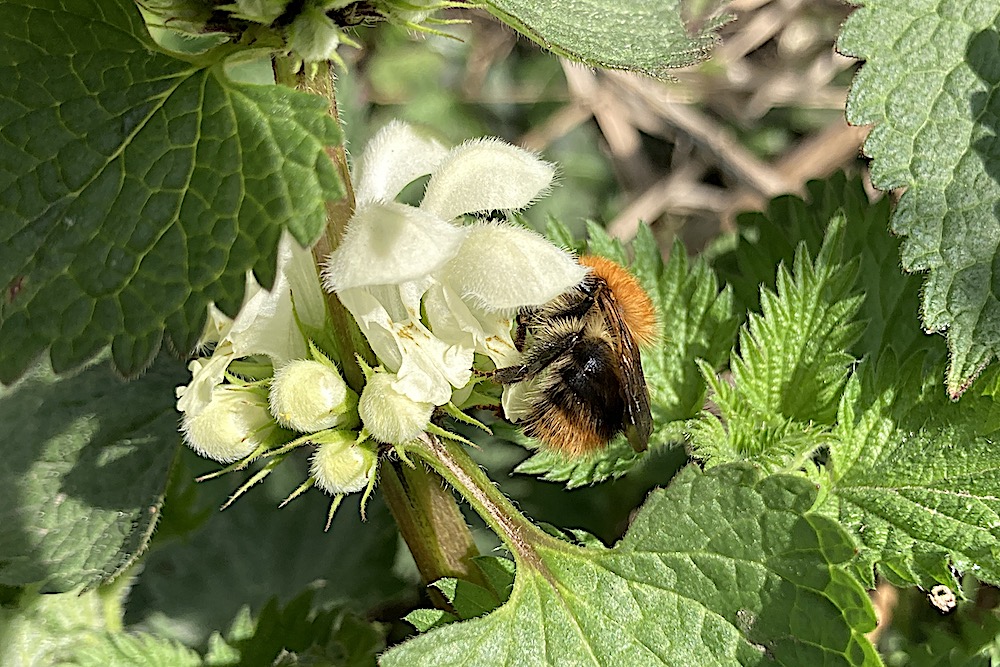
Returning to Cromford along the canal I was excited to see three water voles but it is still probably rather early for grass snakes. There was how ever a good variety of wildflowers making their appearance and many bees buzzing around.

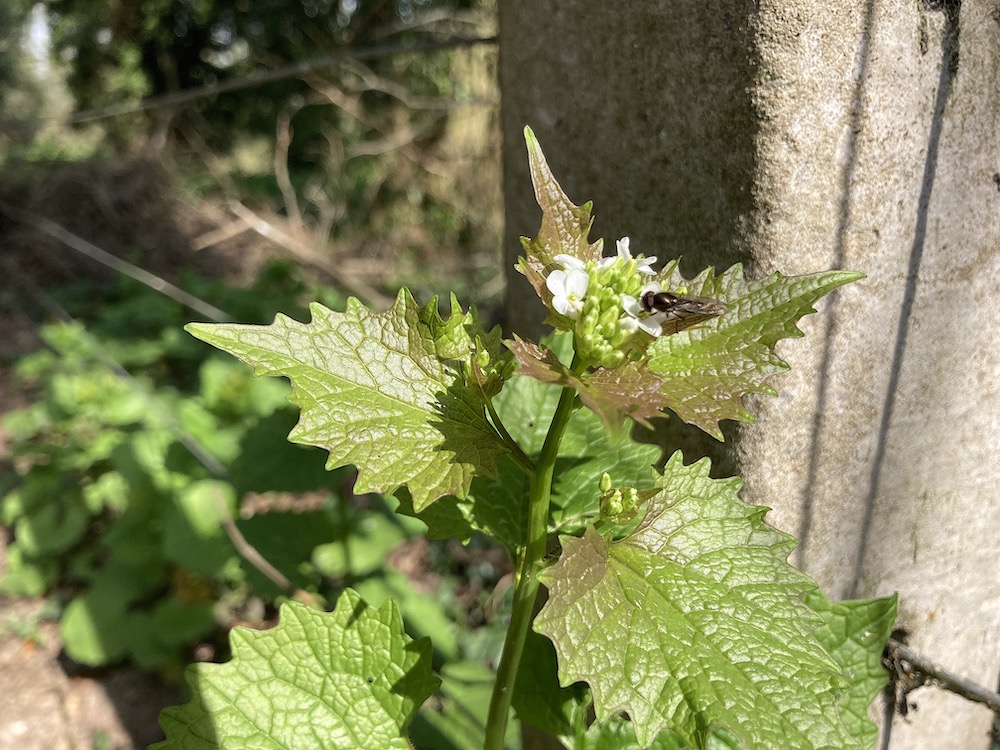
Wild Garlic in bud.

The larch

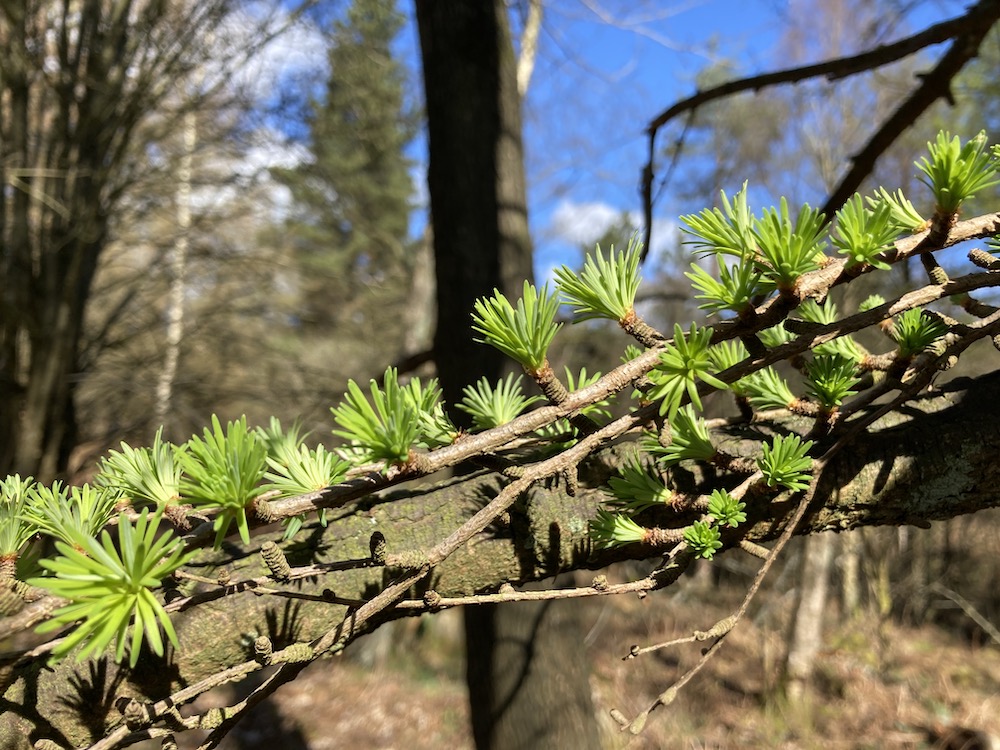
I remember the Monty Python sketch, ‘Number 1 The Larch’, about identifying trees from a distance. However the larch is not a tree I am very familiar with. The European larch is native to the mountains of Central Europe and was introduced into the UK in the early 17th century for timber plantations. It is a unique tree as it is the only deciduous conifer.

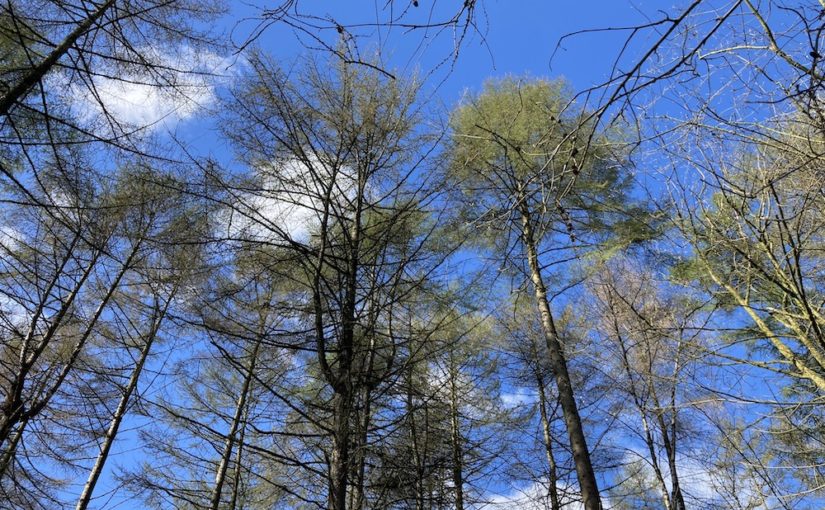
Looking up

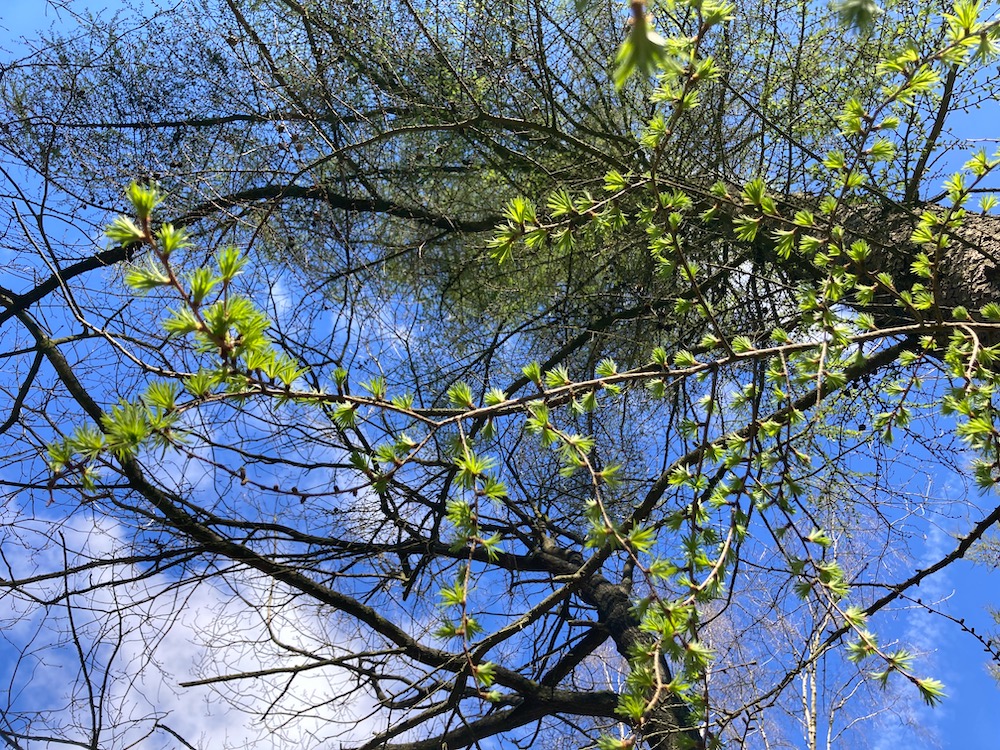
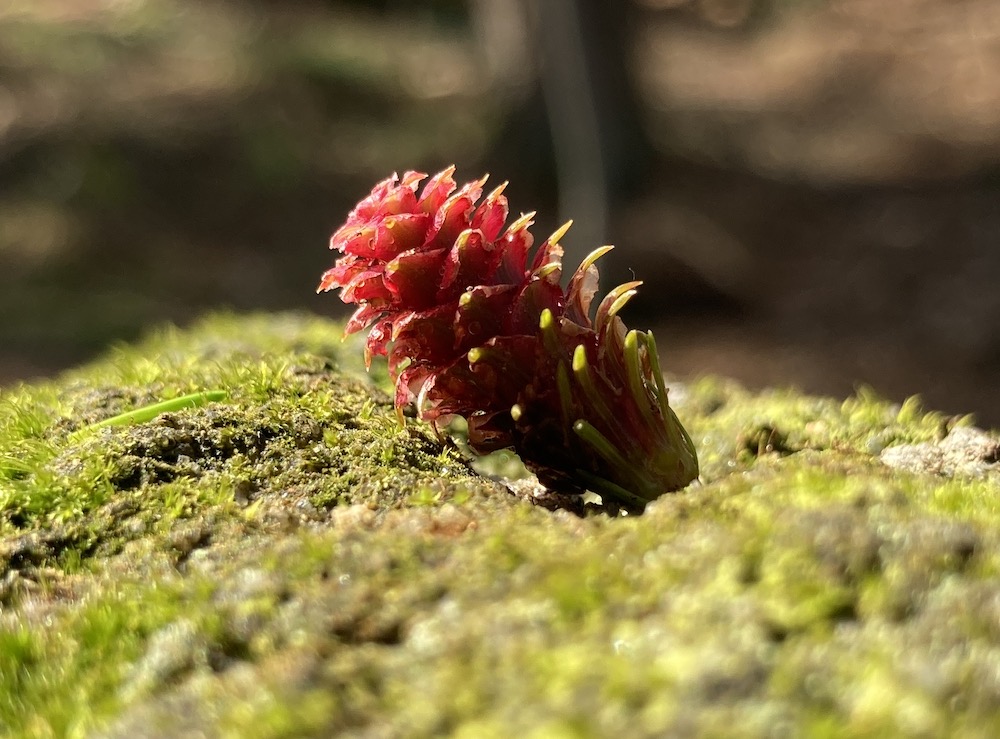
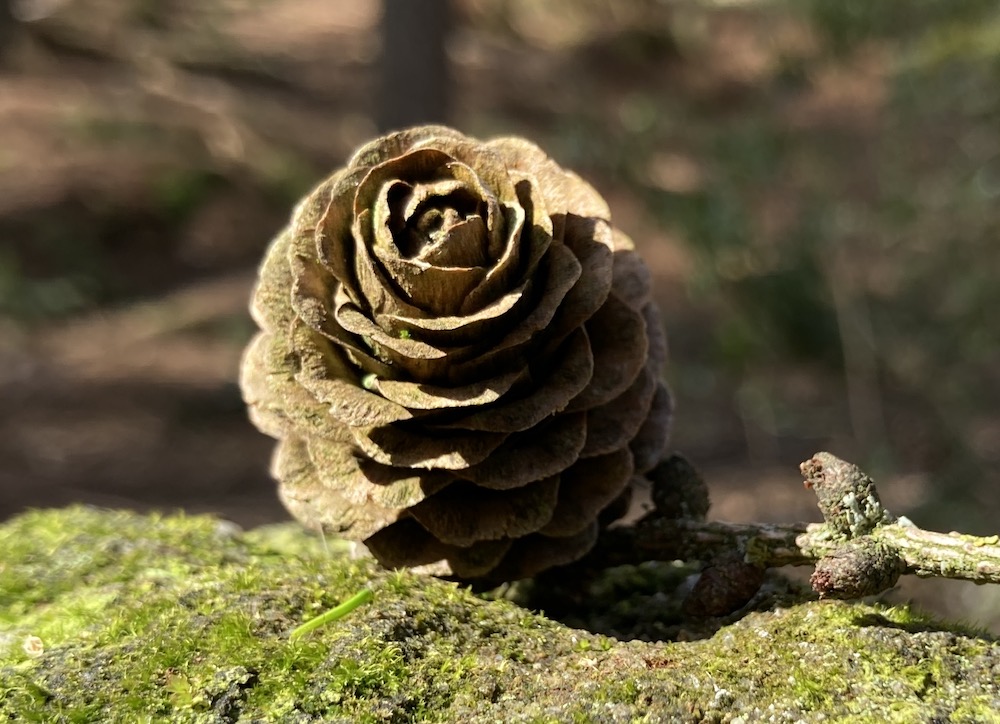
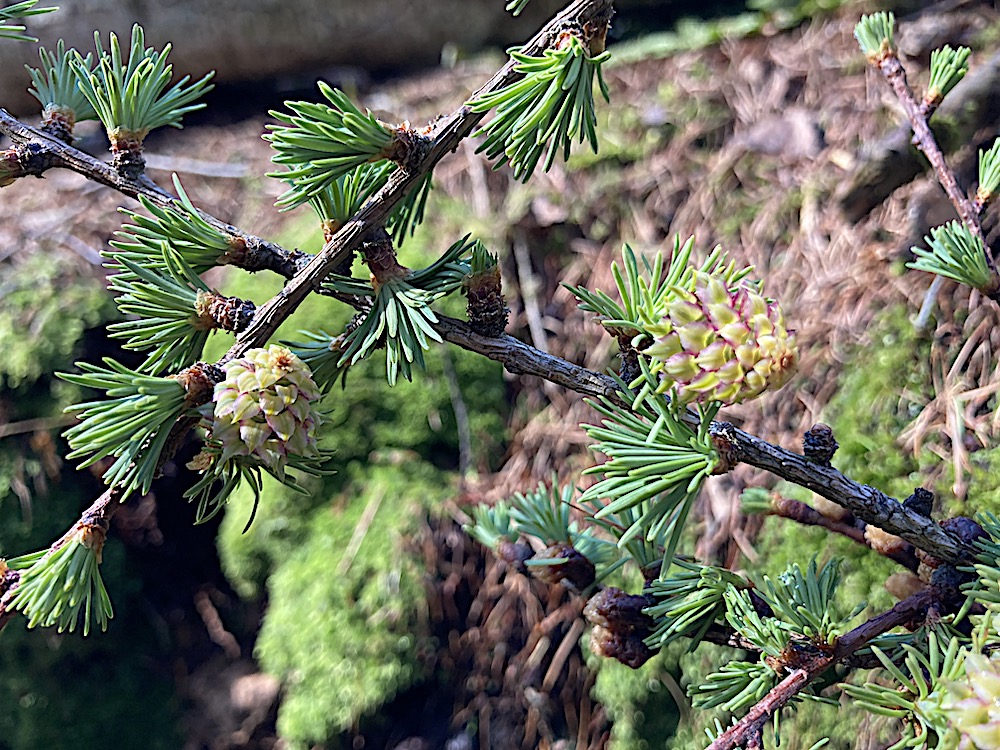
I have not taken much notice of the larch, (apart from the Monty Python sketch) but a new interest in making natural teas alerted me to the fact that you can use larch flowers and the needles for tea making. I hadn’t realised that the tree had such pretty pink/red flowers which eventually turn into the small larch cones. It is spring so I went on a hunt to find a larch tree with flowers.

The sad news is that many larch trees are dying from Sudden Larch Death. This disease causes the rapid decline and death of larch trees of all ages. Stem cankers, needle lesions and canopy dieback are all symptoms of Sudden Larch Death in the UK.

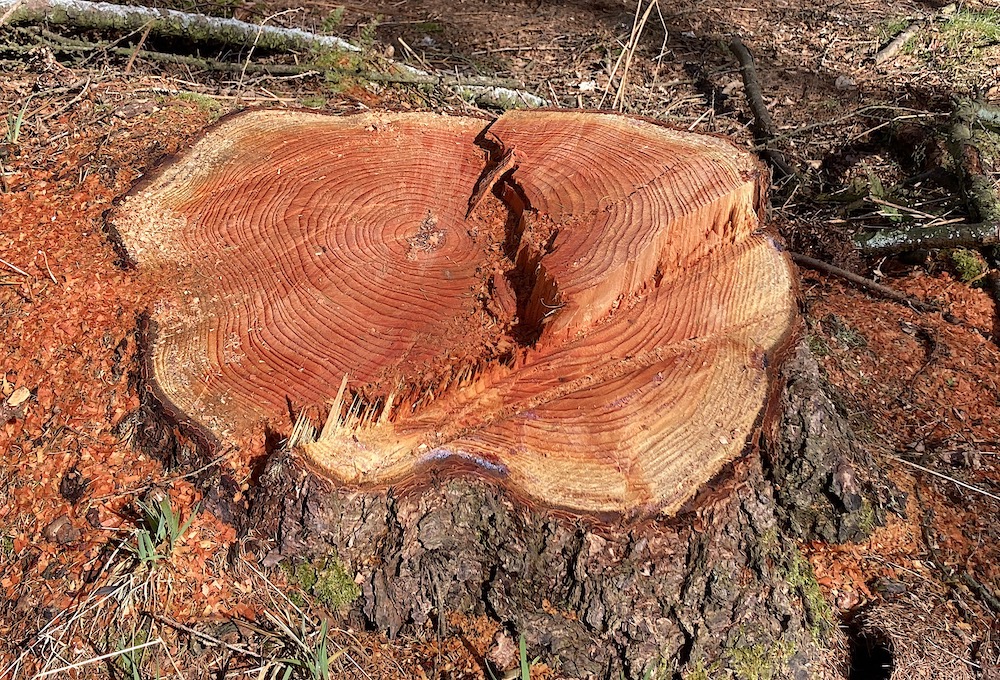
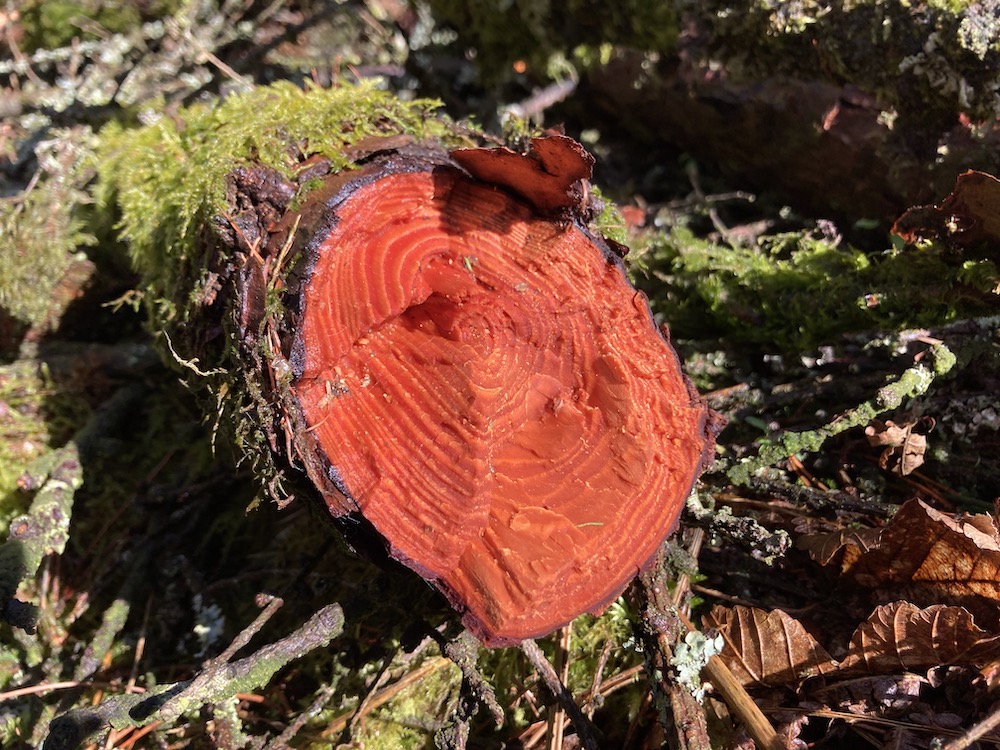
Today I searched in a local wood, hoping that if I found a larch, it would be well and healthy. I found a lot of trees but they did not look well to my untrained eyes. The tops of the trees had green leaves coming out but the lower branches had no green or flowers. Many had already been felled and this made me wonder if there is a problem. The colour of the wood was beautiful and I wondered what it is used to make. 

Information found on the internet www.timberblogger.com/larch-wood/ says Larch wood is known to have tough, waterproof, and durable qualities. It is mostly used for boats, gazebos, floors, fencing, etc.

Having discovered the beauty and usefulness of the larch, I do hope it survives in the local woods and one day I can find enough flowers to try making tea. Larch trees like to grow in any wet, peat-rich soil. The right soil acidity —neutral to acidic—is also key. Larch trees do not grow well in soils with high pH. The area I discovered was wet with a lovely stream and I was glad that I wore my welly boots. I am now considering what I can look for next to make some natural tea.

Darley Abbey Hydrangeas

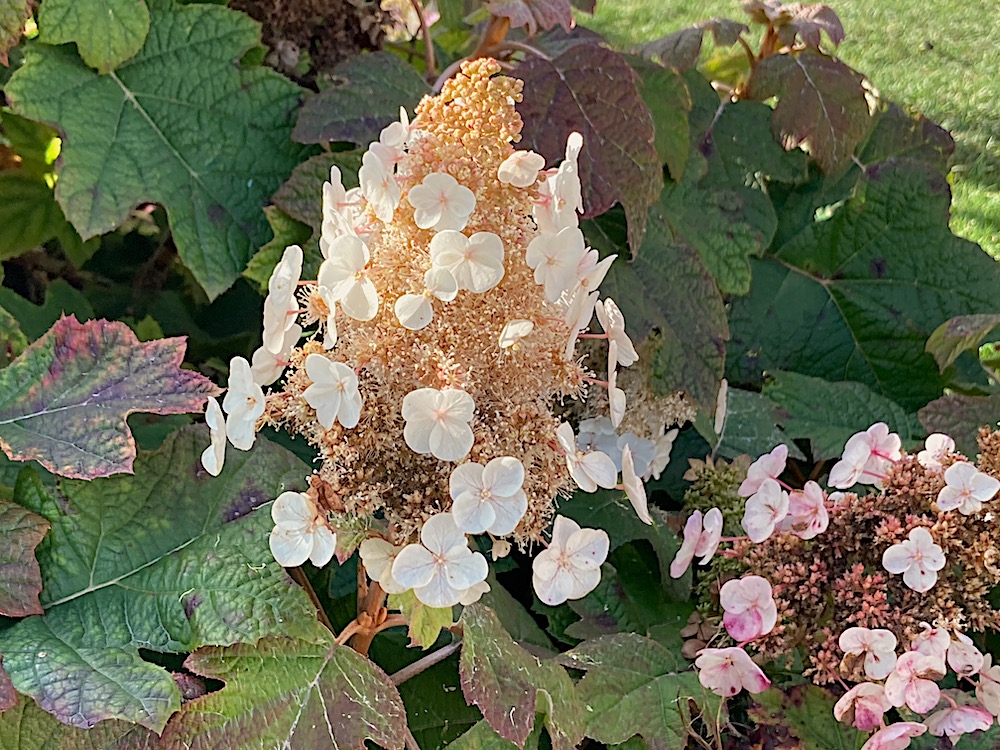
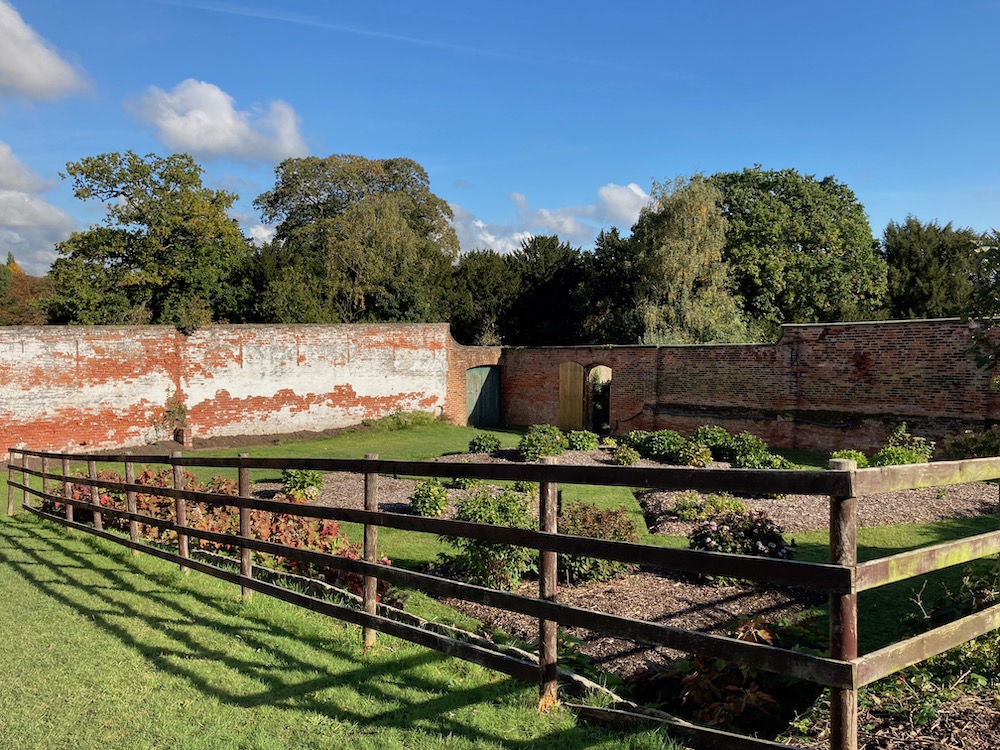
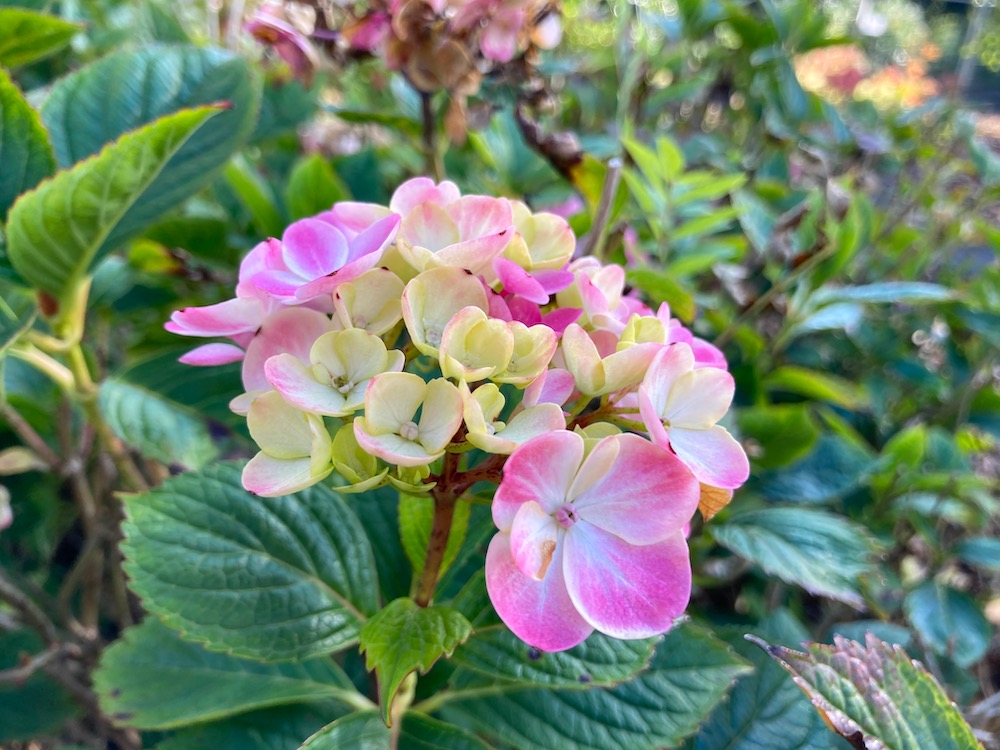
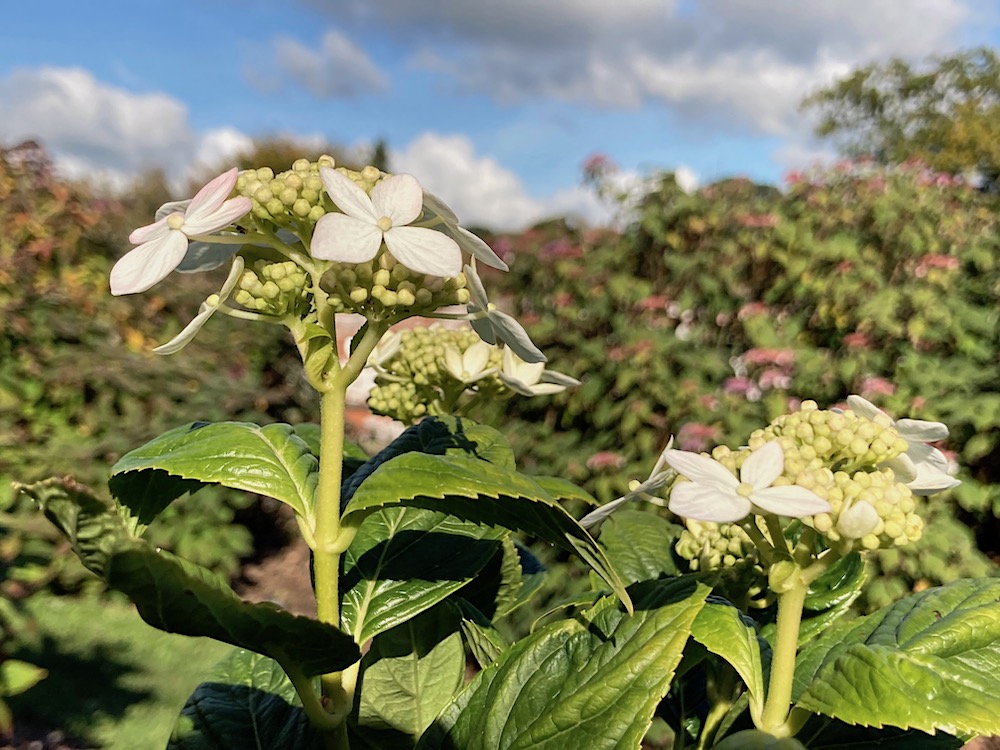
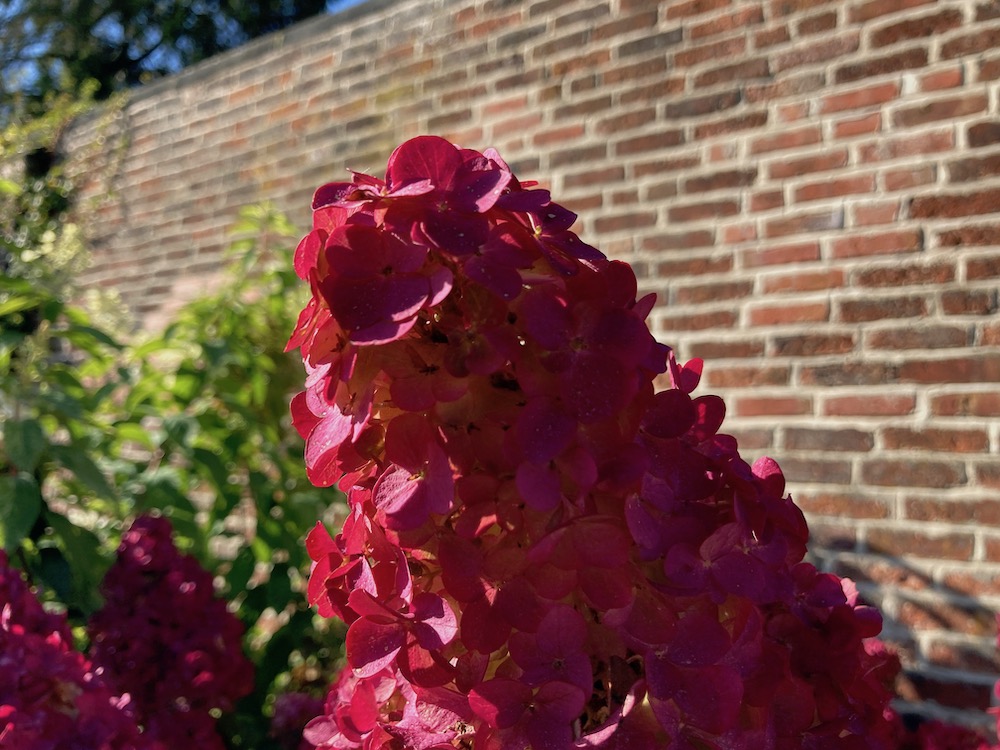
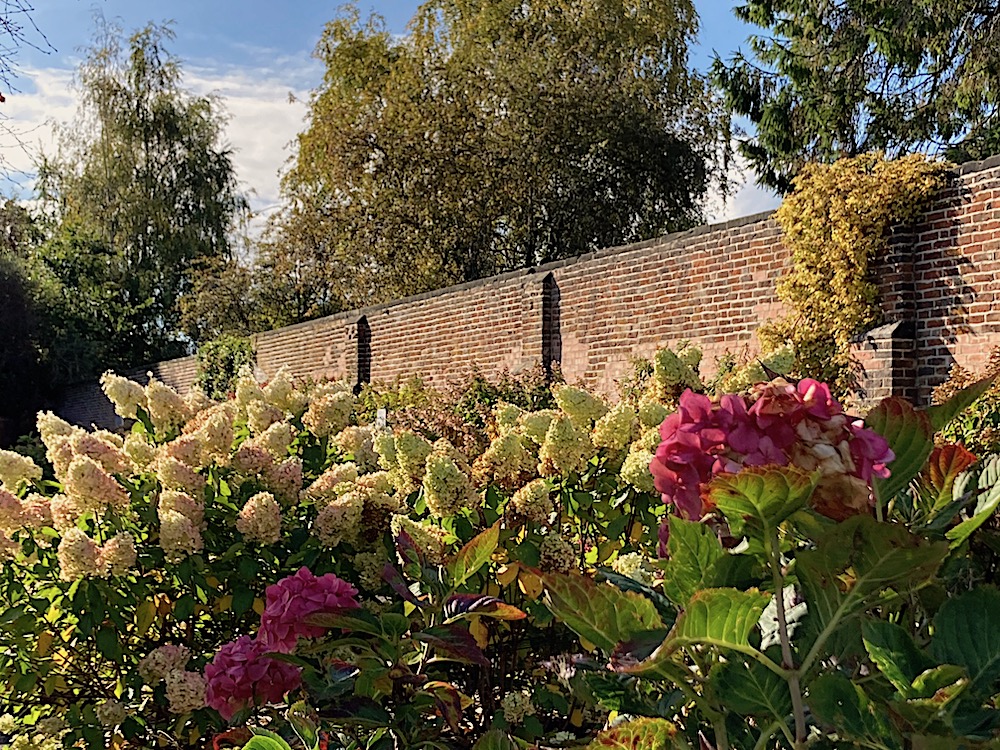
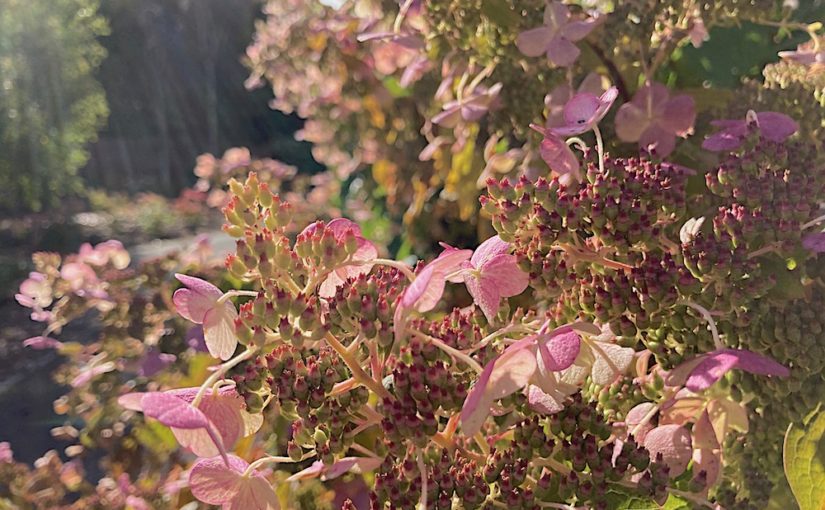
Yesterday we had a lovely walk in Darley Park. The sun was shining and the trees were changing colour. We took the opportunity to visit the walled Hydrangea Garden before it shuts to the public on November 3rd. The garden is looked after by a team of volunteers and it was obvious that since our last visit in 2019 a huge amount of work had been done. The garden houses the National Collection of Hydrangea Paniculata.

Hydrangea Derby, (the name of the voluntary group) was set up in 2010 to look after the Hydrangea Garden and in the last 10 years they have become the National Collection, the only such collection in the world. They also have a wide variety of other hydrangea species. The garden now holds 890 different cultivars.

Dale Abbey, Derbyshire

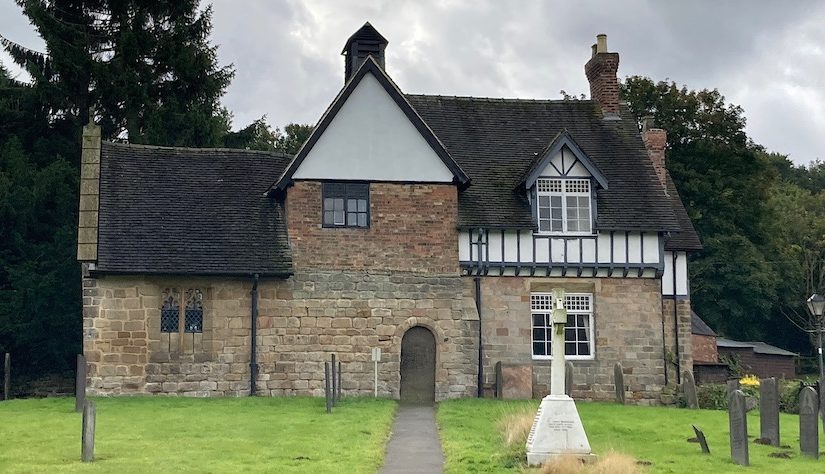
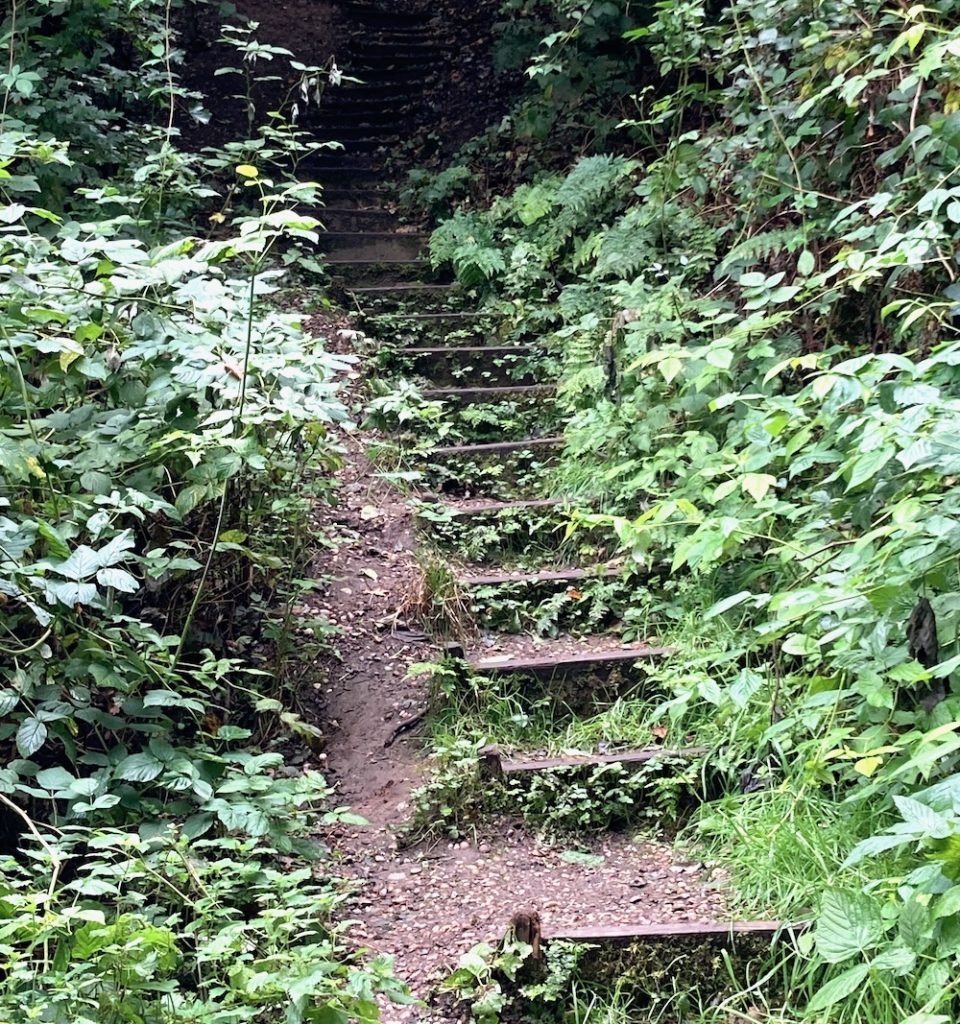
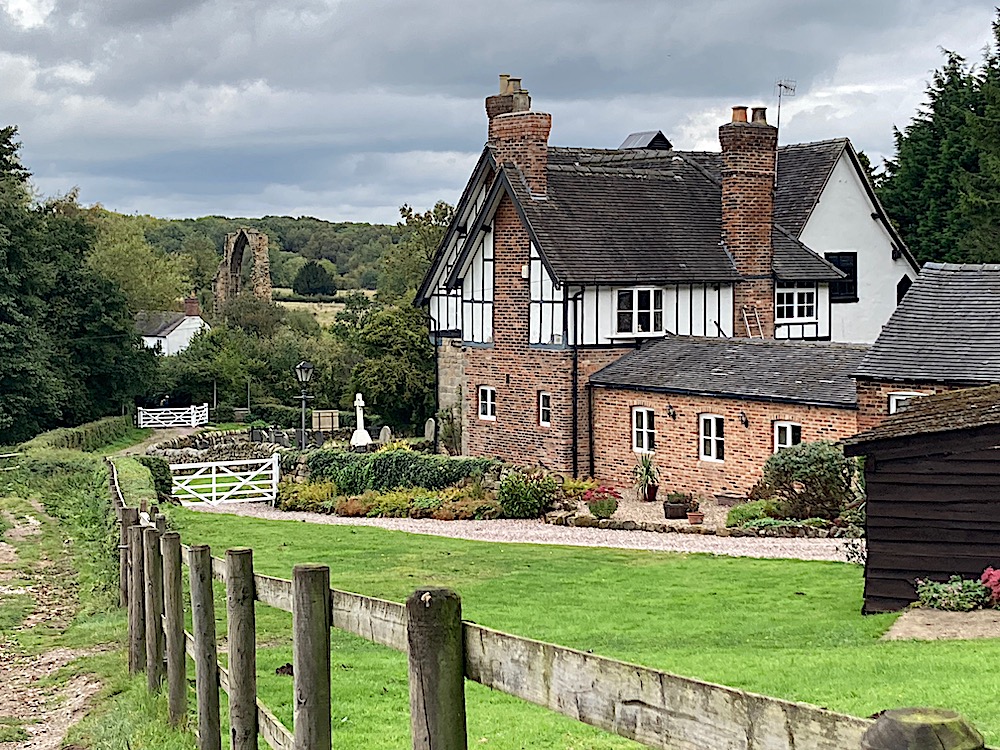
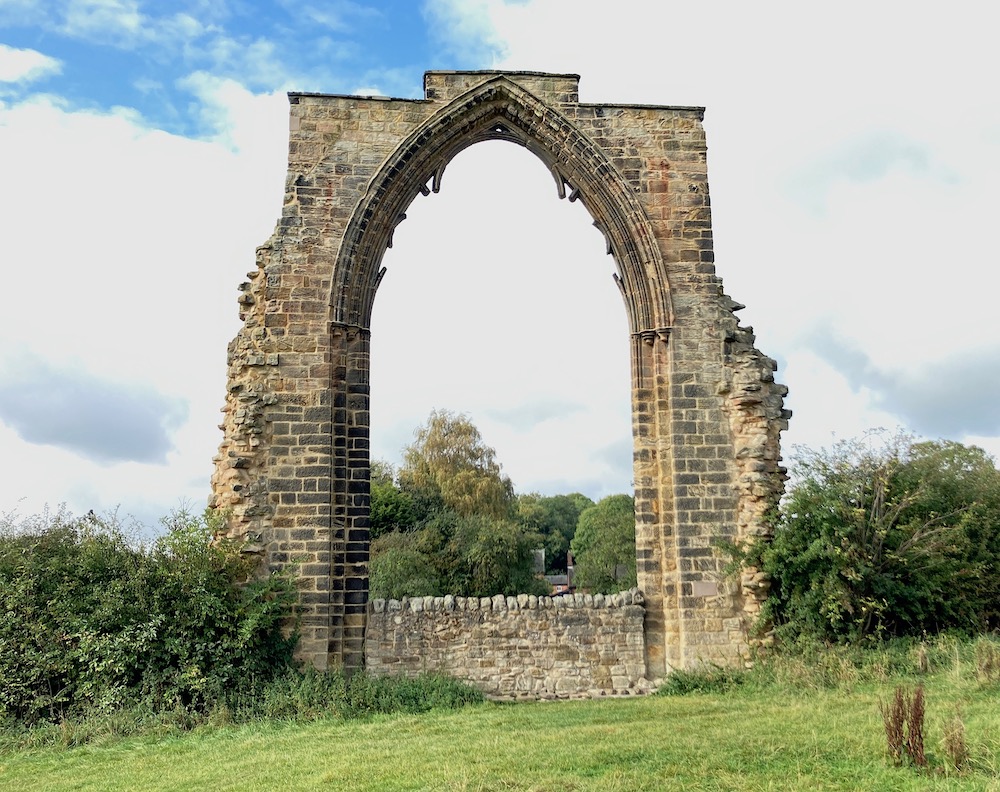
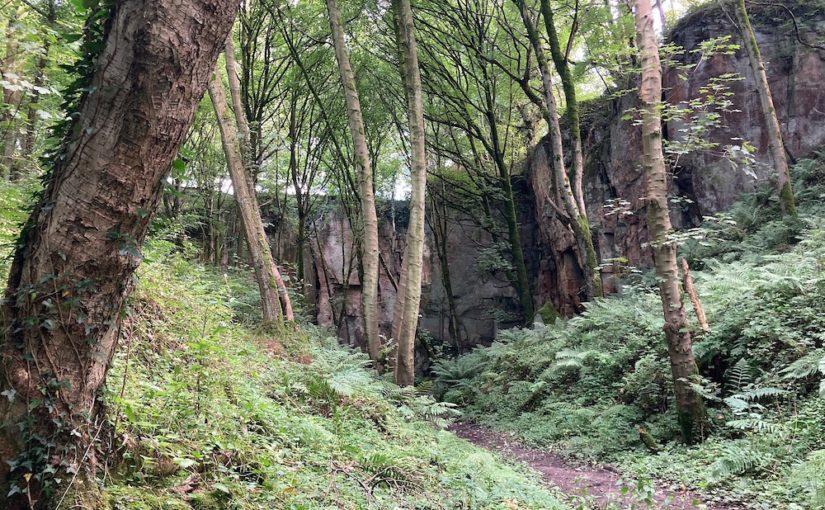
Dale Abbey is less than three miles from the suburbs of Derby to the west, and close to Industrial areas on the Eastern side. Originally known as Depedale it is a most intriguing and beautiful area. The story of Dale Abbey begins when a Derby baker had a dream in which the Virgin Mary appeared and told him to go to Depedale, to live a life of solitude and prayer. At that time it was a wild and marshy place and the hermit carved out a home and chapel in a sandstone cliff. There is a path beside the church and farm which goes through the woods and from this are several ways up to the caves using steps.

Here the hermit continued to worship until one day the smoke from his fire was seen by Ralph Fitz Geremund the owner of the land. He rode over to the place where he saw the smoke, intending to drive the intruder away. On hearing the hermit’s story he was filled with compassion and allowed him to remain. He also gave the hermit the tithe money from Borrowash Mill. This enabled the hermit to build a small chapel and home on the site of the present church.

After the hermit’s death, word spread of the religious significance of the place and Dale Abbey was founded in about 1200 by the White Canons. The abbey remained until 1538, when it was dissolved and the majority demolished by the command of Henry VIII.

Remains of Dale Abbey

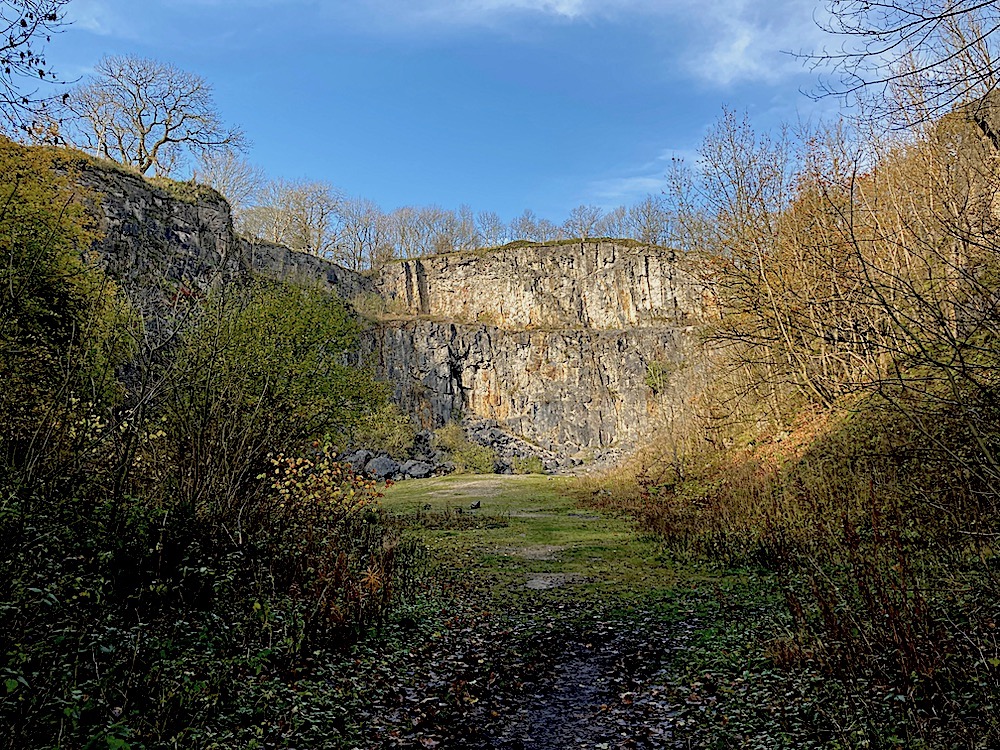
Dukes Quarries, Whatstandwell

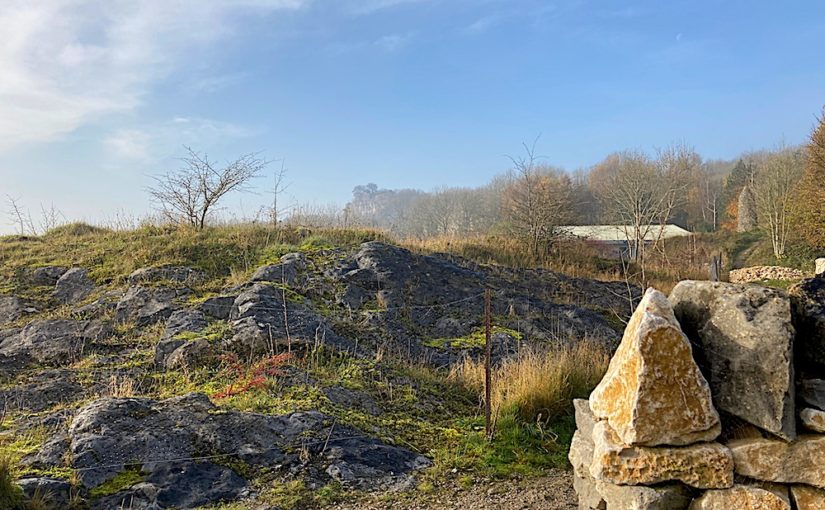
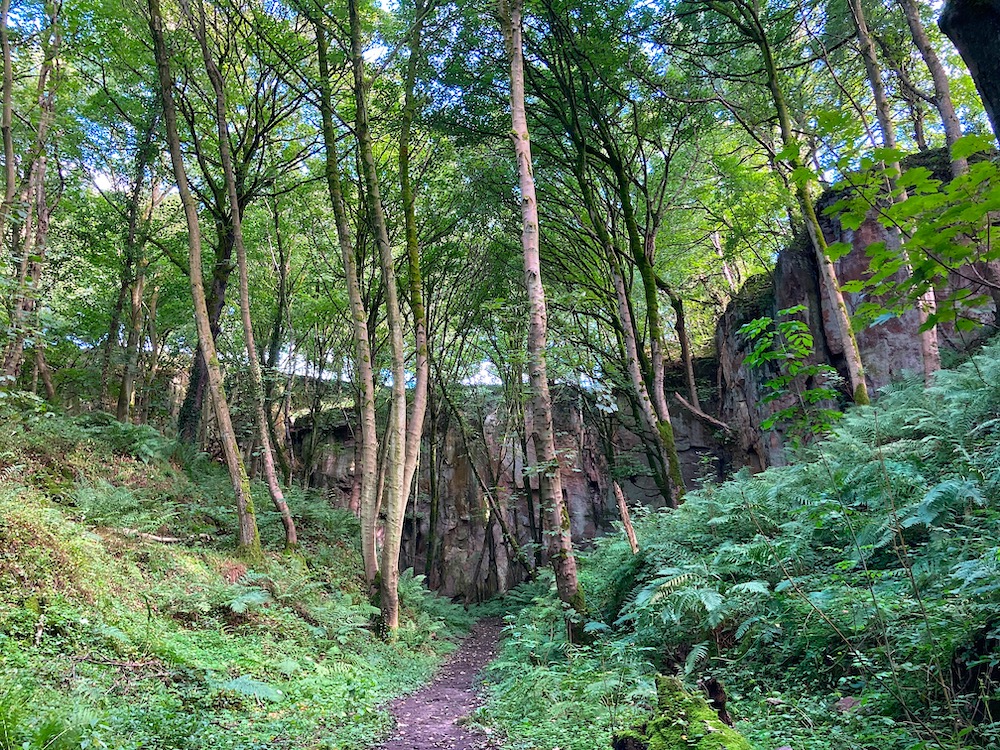
I love walking along the Cromford Canal and this year have also started to explore woodland near the canal. It is possible to park near the Cromford Canal at Whatstandwell or in a couple of small parking places along Robin Hood Road. This area has a cluster of old stone quarries which started to be worked over 200 years ago. Most are now overgrown with trees and other vegetation, one however, Middle Hole Quarry is still working.

Signs of Autumn Fruits and Seeds.

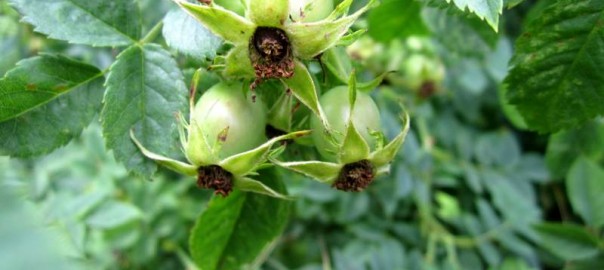
I know it is still Summer and this year we are enjoying the weather and at last we can talk about the Summer of 2013. Recently I started to look for signs of Autumn fruits and seeds while walking along an old railway track at Hassop in Derbyshire. After a quick stop to eat some delicious Raspberry Pavlova Hope Valley Ice Cream, which was so good I forgot to photograph! On my walk I found lots fruits and seeds to take photos of and here they are.

Continue reading Signs of Autumn Fruits and Seeds.

High Peak Trail, Derbyshire

The High Peak Trail is one of my favourite places to walk in Derbyshire. Today is looking lovely and so the question is, where to go? Possibly to the High Peak Trail, Derbyshire!

Here are a few pictures I took on my last visit. The first is of Leawood Pump House which is the pumping station which can still pump water from the River Derwent up into the Cromford Canal just beyond High Peak Junction. This is not actually on the High Peak Trail but the trail meets the Cromford Canal at  High Peak Junction, very near to the Pump House.

Continue reading High Peak Trail, Derbyshire